The US envoy at the Ukraine peace talks have come under intense scrutiny after Ukrainian officials raised concerns over a series of factual errors and misstatements made by a senior American representative during recent high-level negotiations.
The meetings, held in Abu Dhabi and involving delegations from the United States, Ukraine, and Russia, were intended to explore potential pathways to de-escalation, but reports suggest that the envoy’s lack of basic knowledge of the conflict created unease and risked undermining trust in the talks.
Officials present said the envoy made several remarks that reflected confusion over fundamental aspects of Ukraine’s political system and the timeline of the war.
One such statement reportedly claimed that a senior Ukrainian military official was the country’s vice-president, a position that does not exist, highlighting a clear misunderstanding of Ukraine’s government structure.
For Kyiv, this is not a minor mistake; it is indicative of a failure to grasp the most basic aspects of the country’s political hierarchy, which forms the foundation for any credible negotiations.
Further concern arose when the envoy appeared uncertain about when the war began and the significance of key anniversaries.
Asked whether a peace deal was being pursued in time for the four-year anniversary of Russia’s full-scale invasion, the official reportedly said, “I wasn’t aware of what that anniversary date was,” adding that there was no particular pressure linked to it.
Ukrainian officials described this response as indicative of a wider lack of preparation and context. Such statements, they argued, could weaken Kyiv’s position by signaling to Moscow that the United States may not fully comprehend the conflict’s scope or urgency.
The envoy also reportedly suggested the war had lasted longer than the Second World War, an inaccurate comparison that caused alarm.
While Russia’s invasion began in February 2022, the country has been involved in military actions and the illegal annexation of Crimea since 2014.
Ukrainian officials said such misstatements risk trivializing the conflict, ignoring its historical roots and the ongoing human toll. Analysts warn that public perception of US diplomatic competence is crucial in shaping both international support for Ukraine and Moscow’s calculus during negotiations.
Beyond factual inaccuracies, officials were particularly concerned by what they described as a transactional approach to territorial questions.
One official said the envoy viewed territorial issues “like real estate,” a framing that disregards the complexities of international law, national sovereignty, and the human cost of occupation. “They do not know the basics – the fundamentals of politics, history, international law,” the official said, describing it as a serious diplomatic problem.
Ukrainian authorities argue that any negotiation involving territorial concessions must recognize the inviolability of borders under international law, and treating them as negotiable assets risks undermining Kyiv’s strategic position.
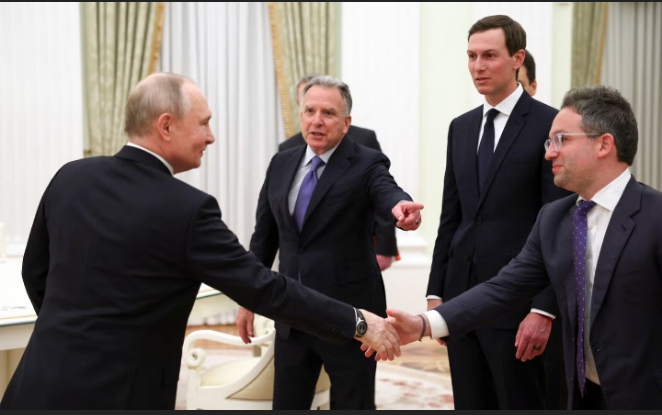
The talks themselves marked the first direct trilateral engagement since Russia’s full-scale invasion, giving them heightened significance. Senior US figures, including high-ranking administration officials, led the discussions alongside representatives from Ukraine and Russia.
Images from the meetings showed a broad US delegation, signaling Washington’s intent to take the lead in mediation, yet the reported errors have raised concerns that lack of expertise could weaken Kyiv’s negotiating position.
Diplomats note that such gaps in understanding could allow Moscow to exploit weaknesses in US coordination or delay meaningful progress.
Complicating the situation, Russia has continued its military campaign throughout the period of the peace talks. Recent strikes on civilian areas, including drone attacks on passenger trains and urban centers, have caused multiple casualties and heightened tensions.
Ukrainian leaders warned that intelligence indicates preparations for further large-scale attacks, arguing that each new strike undermines the credibility of peace negotiations.
“Every single Russian strike discredits diplomatic talks,” a statement said, emphasizing the challenge of advancing discussions while active hostilities persist.
Read also:Iran warns of quick retaliation as Trump revives US threats
Ukrainian officials stress that successful diplomacy requires more than just high-level presence; it depends on a comprehensive understanding of the conflict, including its origins, current stakes, and legal framework.
They argue that any perception that territorial concessions could be treated as negotiable property risks destabilizing negotiations and emboldening Russia.
Analysts further caution that missteps at the negotiating table can have consequences far beyond the immediate discussion, affecting public confidence, allied support, and the perception of US competence in global conflict mediation.
The criticism of the US envoy comes amid broader scrutiny of the Trump administration’s diplomatic strategy in the region.
Observers note that while past US administrations have invested heavily in briefing and context-setting before high-level talks, recent reports suggest these procedures were insufficient.
This perceived lack of preparation may hinder the US’s ability to act as a credible mediator, particularly at a time when Ukraine faces ongoing attacks on infrastructure, civilian populations, and key logistical hubs.
Moreover, Ukrainian officials have highlighted the symbolic importance of accuracy and context in negotiations. Errors about government structure, historical timelines, or the legal framing of territory may seem minor, but they can send a signal to adversaries about the depth of understanding and seriousness of the mediator.
Misstatements can also erode trust with allies, complicate coordination, and weaken messaging to the international community. Diplomats stress that in conflicts of this scale, competence and credibility are not optional—they are essential to the legitimacy of any proposed agreements.
In addition to the misstatements, reports suggest that the envoy’s approach during discussions lacked nuance. Viewing territorial matters in simplistic, transactional terms fails to account for decades of historical, cultural, and political complexities in the region.
Ukrainian representatives argue that any peace framework must prioritize sovereignty, human rights, and legal recognition of borders, rather than reducing them to negotiable assets. The absence of this understanding, they contend, undermines the potential for durable solutions.
While the peace talks are expected to continue, Ukrainian representatives have stressed that engagement must be grounded in facts, respect for sovereignty, and accountability for ongoing aggression.
Officials indicated that future meetings would require a clearer understanding of Ukraine’s positions and the conflict’s realities, emphasizing that missteps in diplomacy can have real consequences for the civilian population and the broader strategic situation.
The ongoing situation underscores the challenge of conducting peace negotiations during active conflict. While diplomacy is critical to reducing hostilities and seeking long-term resolution, the presence of knowledgeable and credible mediators is equally vital.
Analysts warn that if mediators fail to grasp the fundamental political, legal, and historical context, the risk of ineffective or counterproductive agreements increases, potentially prolonging the conflict and undermining international confidence in the process.
Ukrainian officials also stressed the importance of public perception. Reports of factual errors and misunderstandings could weaken domestic and international support for negotiations, allowing Russian narratives to dominate.
Accurate and informed mediation is seen as essential not only for negotiations themselves but also for maintaining a consistent message to the global community about the legitimacy of Ukraine’s position and the commitment of its partners.
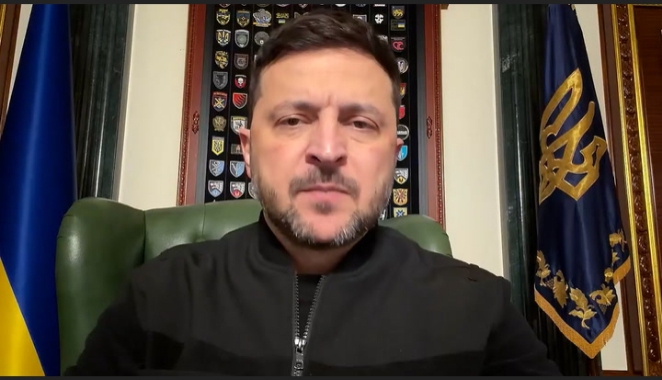
As the war enters its fifth year, the stakes for diplomacy remain high. Ukraine continues to rely on international partners for both military and political support while defending its territory against ongoing attacks.
The episode involving the US envoy has highlighted the critical importance of competence, preparedness, and credibility in mediation, demonstrating that errors in understanding the conflict can reverberate far beyond the negotiating room.
The coming weeks will likely reveal whether the peace talks can overcome these challenges.
Ukrainian officials have indicated a willingness to continue engaging with mediators but insist that future discussions must be informed, accurate, and respectful of legal and historical realities.
For US diplomacy, the message is clear: credibility, preparation, and deep understanding of the conflict are essential to any meaningful engagement in Ukraine.
About The Author