Former Radio 1 DJ Andy Kershaw, the iconic broadcaster known as much for his adventurous life as for his career at the BBC and Channel 4, has revealed that he is “unable to walk” following a cancer diagnosis that has affected his spine.
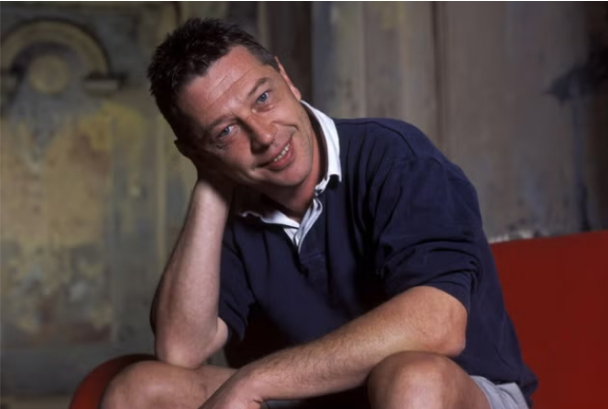
Kershaw, 66, has been undergoing an intense treatment regimen including chemotherapy, radiotherapy, physiotherapy, as well as enduring “a lot of scans and painkillers,” according to his friend and podcast producer Peter Everett, who shared the update on Facebook this week.
Kershaw, whose broadcasting career began with shows for Radio 1 and included co-presenting the BBC’s coverage of Live Aid in 1985, was diagnosed with the illness last August.
Everett explained, “Although we’ve not been able to put together any podcasts in the last six months, we are very grateful to all the patrons and supporters who have stuck with us.”
In a message shared by Everett, Kershaw himself said: “I am in good spirits, feeling very positive and planning another podcast.
I am determined not to die before Benjamin Netanyahu, Vladimir Putin, Donald Trump and Ant’n’Dec. That should keep me going for a while.” Everett added that the “many messages of support and good wishes sent to Andy were hugely appreciated,” highlighting the strong bond between Kershaw and his followers.
Born in Rochdale, Kershaw grew up surrounded by music, influenced by artists such as Bob Dylan, and pursued university studies with a plan to become a journalist. He moved to London in 1984, initially working as a roadie and driver for singer-songwriter Billy Bragg.
His passion for music soon led to a presenting role on BBC 2’s Whistle Test, and the following year, he launched his own show on Radio 1. The programme ran for 15 years before he was replaced by a dance music show, according to his website.
Beyond Radio 1, Kershaw worked at Radio 3 while also producing travel documentaries for Channel 4. His personal life, however, faced turbulence. In 2008, his 17-year marriage ended due to infidelity on his part, which he openly admitted.
His ex-wife, Juliette Banner, obtained a court order to keep him away from their children, a measure Kershaw violated repeatedly, resulting in three prison sentences before going on the run. During this period, he struggled with alcohol dependency and became temporarily homeless.
Reflecting on this period, he told The Independent: “Nobody, not even my allies within the serious media, bothered to look at what was really going on. All I wanted to do was see my children, so why was I in jail? Why was I on the run? It was ridiculous, insane.”
In 2012, Kershaw published an autobiography, No Off Switch, detailing his remarkable journey through the UK media landscape, including his experiences as a war correspondent.
His curiosity and passion for music remained a defining feature of his career. “It’s an insatiable curiosity, basically, a nosiness,” he said of his approach to music and life.
“I think initially Radio 1 wanted another [John] Peel, but I got quickly bored of those awful, insipid demo tapes I was receiving from Liverpudlian indie acts, especially as I was beginning to discover properly fantastic, amazing music from Malawi, the Congo, South Africa.
The way I saw it, this was music that would have an appeal way beyond the circle of African music aficionados. And the letters I received from enthusiastic listeners suggested I was right.”
Kershaw’s diagnosis has also highlighted his continued connection with fans and colleagues. He has remained actively engaged through social media and podcasts despite physical limitations, showing remarkable resilience.
Everett noted that Kershaw’s positive attitude in the face of adversity serves as an inspiration: “Andy’s determination is incredible.
Despite everything, he’s planning future podcasts and keeping that spark of curiosity alive. His supporters have been amazing throughout.”
The broadcaster’s struggle has brought renewed attention to the challenges faced by public figures dealing with serious illness, illustrating how personal resilience and community support intersect.
Kershaw continues to face his treatments with humor and defiance, maintaining the sense of adventure that defined both his professional and personal life.
“Even now, the thought of continuing to discover, to explore, to share stories with people keeps me going,” Kershaw said. “It’s about the music, the stories, the connections. That’s what life’s about, not just sitting down and letting things happen to you.”
Despite his diagnosis rendering him immobile at times, Kershaw’s outlook remains determinedly positive. Friends, family, and fans have rallied around him, sending messages of hope and solidarity, and reinforcing the enduring legacy of a broadcaster whose career spanned decades and continents.
Through these efforts, Kershaw demonstrates that even in the face of illness, passion and determination remain powerful motivators.
Kershaw’s journey is a testament to the resilience required not only to survive illness but to continue engaging creatively with the world.
As he told Everett, “I am determined not to die before Trump,” a reflection of his characteristic humor and unyielding spirit, showing that even serious challenges have not dampened his zest for life, music, and the stories he has yet to tell.
Read also:Alex Pretti shooting videos emerge days before fatal federal encounter in Minneapolis
About The Author