


IBADAN, May 30 — The Dangote Petroleum Refinery plans to expand its crude-processing capability to as many as 130 crude grades as part of a broader strategy to increase capacity, diversify feedstock supplies and strengthen its position in global fuel markets, according to senior refinery executives.
The move would place the 650,000-barrel-per-day refinery among the world’s most flexible refining complexes and reduce its reliance on Nigerian crude by allowing it to process a wider range of feedstocks from the Middle East, the United States and other producing regions.
The plans emerge as the refinery prepares for a proposed expansion that could raise processing capacity to about 1.4 million barrels per day, a level that would make it one of the largest refining centres globally and significantly increase its demand for imported crude.
“This is not a traditional refinery in an oil-producing country that sits at the end of a pipeline and processes a single grade of crude,” Chief Executive David Bird told S&P Global Commodity Insights.
“This is a fully merchant refining model similar to what you would see in major trading and refining hubs in Europe and Asia.”
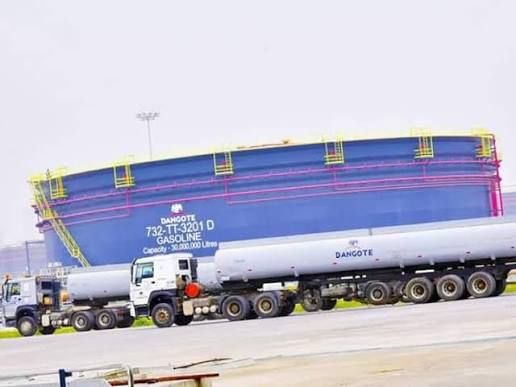
Why crude grades flexibility matters for global refining
Refineries capable of processing a broad range of crude grades generally enjoy greater commercial flexibility because they can switch feedstocks depending on market conditions, pricing differentials and supply availability.
Bird said the Dangote refinery currently processes roughly 40 crude grades but is targeting as many as 130 over time.
That would place the facility in the same category as some of the world’s most sophisticated refining hubs, including Singapore’s major export-oriented complexes.
Industry analysts say greater crude flexibility can improve refinery margins by allowing operators to purchase discounted feedstocks while maintaining product output quality.
The ability to switch between light, medium and heavier crude grades allows refiners to capture pricing opportunities across regional markets while reducing exposure to supply disruptions affecting any single crude stream.
The strategy has become increasingly important as geopolitical disruptions, sanctions and shipping constraints continue to reshape global crude trade flows.
Global refiners have increasingly prioritised feedstock flexibility as OPEC+ production adjustments, sanctions on Russian crude and recurring shipping disruptions in key maritime corridors alter crude availability and pricing patterns.
Expansion could double crude demand
The refinery’s proposed expansion to around 1.4 million barrels per day would dramatically increase crude requirements.
At that scale, the facility would rank among the world’s largest refining complexes and become one of Africa’s biggest consumers of crude oil.
At that level, the facility would require volumes equivalent to a substantial share of Nigeria’s current oil production, increasing the need for imported crude supplies alongside domestic feedstocks.
The expansion could also increase competition for internationally traded crude grades as the refinery seeks to diversify supply sources and optimise feedstock costs.
Bird said the refinery expects to process larger volumes of Middle Eastern crude grades as operations expand.
“We will be in the crude blending game,” he said.
The refinery could process approximately 30% Middle Eastern grades across its processing trains once the expansion is completed, he added.
Market participants said the development could further integrate Nigeria into global crude trading networks and reduce the historical dependence of domestic refining operations on local production alone.
“Feedstock flexibility is increasingly becoming a competitive advantage for large export-oriented refineries,” said Alan Gelder, vice-president of refining, chemicals and oil markets at Wood Mackenzie.
“Operators with broader crude slates are generally better positioned to protect margins during periods of market volatility.”
Read Also: Russian drone strike in Romania sparks NATO alarm as Europe condemns Moscow
Bitcoin Falls Below $73,000 as US-Iran Tensions Trigger $930m Crypto Liquidations
Dangote strengthens position in global fuel markets
The refinery has rapidly emerged as a significant supplier of refined petroleum products to regional and international markets since ramping up operations.
According to S&P Global Commodities at Sea data cited by the company, the refinery became the world’s largest exporter of aviation fuel during a period of elevated demand following disruptions to traditional supply routes.
The facility has also expanded gasoline production through the use of blending components including gas-to-liquids naphtha and condensate feedstocks.
Bird said the refinery can comfortably produce about 75 million litres of petrol daily and could increase output to roughly 100 million litres per day with additional storage infrastructure.
The company believes scale efficiencies from the planned expansion could reduce operating costs to below $2 per barrel, according to industry estimates linked to the project.
Such costs would place the facility among the most competitive large-scale refining operations globally, where operating expenses often represent a key determinant of profitability during periods of weaker refining margins.
If achieved, that would place the refinery among the lowest-cost large-scale refining operations globally.
Industry observers increasingly compare the refinery’s long-term ambitions with major export-oriented refining centres in Singapore, India and the Middle East that serve regional and international fuel markets.
Nigeria’s refining landscape undergoes transformation
The refinery’s expansion comes as Nigeria seeks to reduce dependence on imported fuels and establish itself as a regional refining hub.
For decades, Africa’s largest crude producer relied heavily on imported refined products despite exporting significant volumes of crude oil.
The startup of the Dangote refinery has begun altering trade flows across West Africa, reducing import requirements in some markets and creating new export opportunities for Nigerian-produced fuels.
Analysts say the refinery’s growing scale could increasingly influence regional fuel pricing, shipping patterns and crude procurement strategies.
“The facility is evolving beyond a domestic refinery into a major international trading and refining platform,” said a senior refining analyst at Energy Aspects.
“The significance is no longer just about Nigeria’s fuel supply. It is increasingly about how African refining fits into global energy markets.”
What the expansion means for investors and oil markets
The planned increase in crude-processing flexibility signals a long-term strategy focused on margin optimisation rather than reliance on any single crude source.
For traders, the development could create additional demand for medium and heavy crude grades while increasing Nigeria’s role in global petroleum-product exports.
For investors, the expansion highlights the growing importance of large-scale integrated refining assets in emerging markets at a time when global fuel demand remains resilient despite the broader energy transition.
If completed as planned, the expansion would further reposition Nigeria within global refined-products trade flows while testing whether Africa can support large-scale refining operations capable of competing with established hubs in Asia and the Middle East.
Read more @ireport247news
About The Author
