The Kashmir police station blast shocked Srinagar overnight, killing nine people and injuring dozens as investigators struggled to understand why confiscated explosives suddenly detonated violently.
Indian officials described scenes of devastation inside the Nowgam facility, where forensic specialists and officers examined seized materials linked to multiple investigations before the sudden explosion shattered the compound.
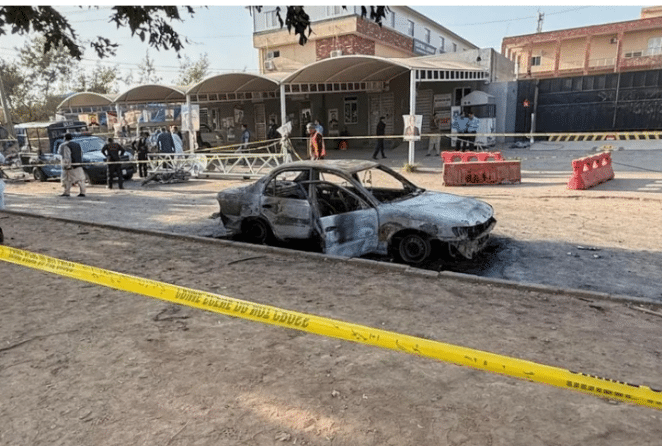
Witnesses said the late-night eruption shook nearby homes, scattering debris across streets as terrified residents rushed outside fearing another attack unfolding within the busy district.
Emergency crews arrived quickly, battling intense fires while attempting to extract injured personnel trapped beneath collapsed sections of the building destroyed by the powerful explosion.
Authorities confirmed most victims were policemen and forensic experts, emphasising the tragic timing as the team handled volatile materials requiring careful documentation for ongoing criminal inquiries.
Unverified reports suggested some bodies were severely burned, complicating identification efforts and prompting officials to deploy specialised units capable of reconstructing remains with advanced forensic tools.
Residents described hearing a thunderous blast followed by screams, expressing disbelief that such devastation emerged from inside a secure police installation responsible for sensitive operations.
A senior officer said the catastrophe highlighted systemic vulnerabilities, noting that proper storage protocols must be scrutinised to determine whether negligence contributed to catastrophic ignition.
Investigators also cited concerns about forensic investigation failure, reflecting widespread frustration that a supposedly controlled environment became the scene of one of Srinagar’s deadliest recent incidents.
Local authorities said they were reviewing all procedures governing explosive handling, acknowledging gaps that might have allowed unstable materials to deteriorate dangerously during extended evidence retention.
Community leaders lamented the tragedy, urging transparency as residents demanded assurance that explosive storage practices would improve dramatically to prevent similar disasters from recurring.
Government officials stressed that early findings indicated no external interference, reinforcing that the Kashmir police station blast appeared accidental rather than the result of deliberate militant targeting.
Despite assurances, lingering fears persisted due to recent regional tensions and heightened scrutiny of groups with suspected Jaish-e-Muhammad links involved in previous attacks across northern India.
Security analysts argued the incident could prompt nationwide assessments of how sensitive evidence is stored, transported, and analysed, especially within heavily policed conflict-affected territories.
Experts said the loss of trained personnel represented a significant setback, weakening investigative capacity and creating operational gaps the administration must urgently address to maintain public trust.
The blast occurred days after the New Delhi car blast, intensifying anxiety nationwide as residents struggled to separate unrelated accidents from verified acts of coordinated militancy.
Officials insisted public messaging remain clear, emphasising that conflating the Kashmir police station blast with recent terror attacks risked heightening unnecessary tension across communities.
Analysts warned that India’s sensitive political atmosphere could amplify misinterpretations, urging responsible reporting and measured reactions until investigators issued final verified conclusions.
Many officers expressed grief over fallen colleagues, describing them as dedicated professionals committed to safeguarding the valley’s residents despite escalating operational pressure in recent years.
Relatives gathered outside hospitals, anxiously seeking updates as doctors battled to stabilise critically injured victims suffering burns, trauma, and shrapnel wounds caused by the forceful detonation.
Health officials warned the toll might rise, highlighting severe injuries that required advanced treatment unavailable in smaller facilities around Srinagar’s outskirts.
Residents living near the police station recounted windows shattering instantly, saying the concussion wave felt comparable to earlier conflict-related explosions experienced during volatile periods.
The tragedy reignited debate about Srinagar’s preparedness for emergencies, raising questions about whether urban infrastructure could withstand future blasts without mass casualties.
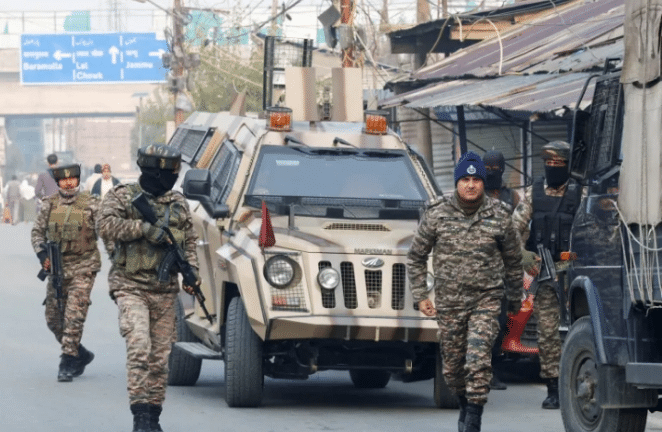
Authorities deployed additional Kashmir security forces around Nowgam to manage crowds, maintain order, and ensure investigative teams operated without interference from onlookers or unauthorized personnel.
Officials acknowledged widespread speculation online, urging residents to rely on verified statements rather than circulate incendiary rumours capable of destabilising an already fragile environment.
Security advisors said the Kashmir police station blast underscored the need for enhanced training, ensuring officers could identify unstable materials and implement emergency safety measures promptly.
Former officials claimed chronic shortages of modern equipment forced officers to manage evidence with outdated tools, increasing risks while handling large quantities of volatile substances.
Crisis coordinators emphasised that the tragedy served as a wake-up call, prompting statewide reviews of all facilities storing confiscated explosive materials from ongoing investigations.
Regional lawmakers demanded accountability, insisting the public deserved answers about how dangerous evidence accumulated without adequate monitoring mechanisms preventing unexpected detonation.
Some commentators argued that authorities must reassess Kashmir’s broader security architecture, integrating civilian oversight to ensure transparency and prevent institutional complacency.
The incident also revived conversations about cross-border militancy, given ongoing investigations involving suspects with potential Jaish-e-Muhammad links and other radicalised networks under surveillance.
Analysts warned that repeated security lapses, whether accidental or deliberate, could embolden hostile actors seeking opportunities to exploit systemic weaknesses in sensitive regions.
Officials insisted, however, that the Kashmir police station blast did not involve sabotage, urging restraint while technical teams reconstructed the sequence that triggered the deadly eruption.
Residents expressed solidarity with victims, organising community vigils and calling for sustained reforms prioritising safety in conflict-affected zones where weapons and explosives frequently circulate.
Local activists urged government agencies to communicate transparently, stating that secrecy could fuel misconceptions amid heightened tensions following recent national security incidents.
Emergency responders described the scene as extremely hazardous, with scattered fragments of metal, combustibles, and partially detonated materials complicating early rescue efforts.
Senior investigators confirmed that thousands of kilograms of seized substances had accumulated at the facility, reflecting long-term challenges managing evidence from high-profile security cases.
Technicians said temperature fluctuations, chemical decay, or accidental friction might have triggered the blast, though exact conditions remained under technical review.
Residents near the site continued cleaning debris, expressing gratitude more lives weren’t lost given the density of surrounding homes and narrow streets vulnerable to collapsing structures.
Environmental teams assessed contamination risks after the explosion, ensuring no harmful chemical residues threatened groundwater or residential areas already shaken by the event.
Community advocates urged authorities to provide psychological support for traumatised residents and officers, recognising the blast’s emotional impact on those living through chronic instability.
The government pledged compensation for families of the deceased, highlighting their service and promising institutional reforms to prevent tragedies involving improperly stored explosive evidence.
Commentators warned that failure to implement recommendations could lead to more catastrophes, especially as police continue seizing large quantities of weapons and contraband across Kashmir.
Technical specialists emphasised that modern storage facilities, equipped with climate control and digital tracking, could significantly reduce risks associated with housing unstable materials long term.
Officials reiterated that despite contextual pressures, the Kashmir police station blast remained isolated, insisting improvements would ensure the region’s security framework remained resilient and adaptable.
Military analysts suggested expanding cooperative training between civilian forensic teams and the army to strengthen protocols and minimise errors during high-risk material handling.
Political leaders urged unity, cautioning that polarising narratives could inflame tensions between communities already sensitive to conflict-related developments across the valley.
The incident also prompted renewed calls to address infrastructural deficiencies, ensuring all evidence facilities met internationally recognised safety and hazard-management standards consistently.
Despite the tragedy, authorities insisted ongoing investigations into the New Delhi car blast would continue unaffected, reinforcing national resolve to confront escalating militant challenges.
The Kashmir police station blast ultimately became a sobering reminder of operational dangers faced by officers tasked with protecting civilians in one of the region’s most volatile landscapes.
About The Author