John Healey resigns as the United Kingdom’s Defence Secretary after a dramatic dispute with Prime Minister Keir Starmer and Chancellor Rachel Reeves over military spending, triggering one of the biggest political crises facing the Labour government since taking office.
The resignation, announced in a strongly worded letter, exposed deep divisions within the government over defence funding at a time when European security concerns are intensifying and NATO members are being urged to increase military preparedness.
Healey accused the government of failing to provide the level of investment needed to protect Britain against growing global threats, warning that proposed funding plans would leave him making decisions that could ultimately make the country “less safe.”
Why John Healey resigns
The immediate cause of Healey’s departure was a disagreement over the government’s proposed Defence Investment Plan (DIP).
According to his resignation letter, Healey argued that the funding package presented to him earlier this week fell significantly below what Britain’s armed forces require to meet emerging security challenges.
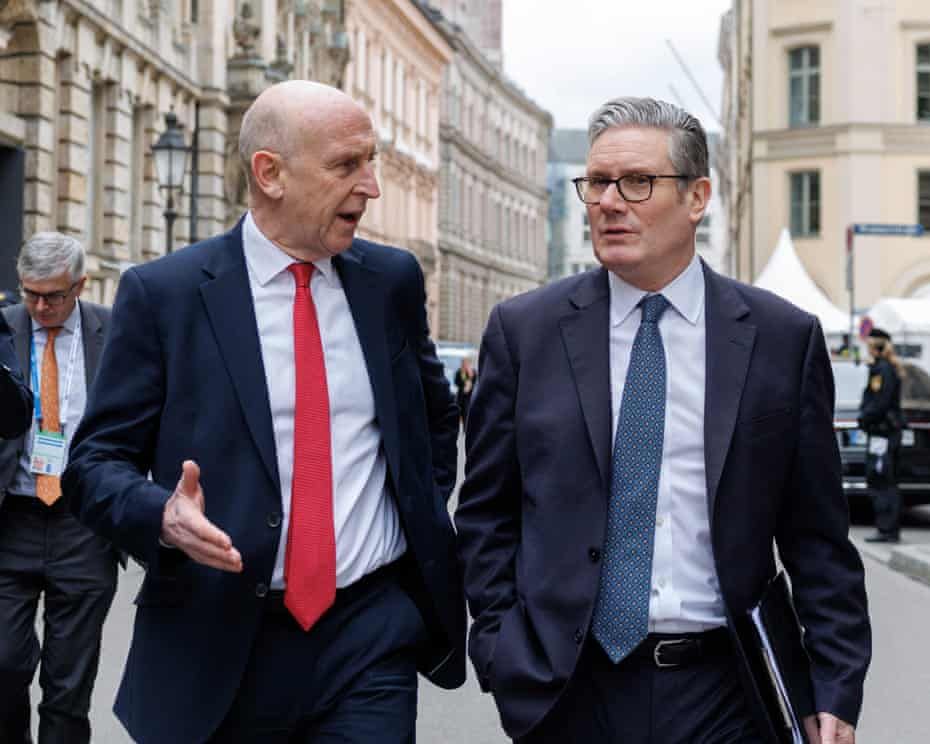
He stated that while the government had promised a new era for defence, the financial commitments being offered did not match that ambition.
In one of the most striking passages of the letter, Healey wrote:
“You have been unable, and the Treasury has been unwilling, to commit the resources that the nation needs to defend the country at this time of rising threats.”
The statement amounted to a direct criticism of both Prime Minister Keir Starmer and Chancellor Rachel Reeves.
Healey suggested that Reeves had refused to allocate sufficient resources to defence, while Starmer had failed to intervene decisively to secure additional funding.
Defence spending at the heart of the dispute
A central point of disagreement involved future defence spending targets.
Healey revealed that under the latest version of the Defence Investment Plan, military expenditure would rise to only 2.68 percent of Gross Domestic Product (GDP) by 2030.
He argued that this increase was inadequate given the current international security environment and Britain’s commitments to NATO allies.
The former defence secretary insisted that Britain should commit to spending at least 3 percent of GDP on defence by 2030.
According to Healey, many European allies are already moving toward higher defence spending levels as they respond to growing geopolitical tensions.
He warned that delaying investment would weaken military readiness and reduce Britain’s ability to respond effectively to future threats.
Rising security threats concern Healey
Throughout his resignation letter, Healey repeatedly referenced a worsening global security situation.
He highlighted several factors contributing to his concerns, including ongoing conflict in the Middle East, increased Russian military activity, continued fighting in Ukraine, and expanded commitments by the UK to international security missions.
The former minister argued that these developments have significantly increased pressure on Britain’s armed forces.
He maintained that stronger investment is necessary not only to modernize military capabilities but also to protect personnel serving in increasingly complex operational environments.
According to Healey, the government’s proposed funding settlement was “backloaded,” meaning significant resources would only become available later, while the most urgent needs exist within the next two years.
Warning about Britain’s safety
Perhaps the most politically damaging element of Healey’s resignation was his warning about the consequences of accepting the government’s plans.
In his letter, he stated:
“Without a DIP that meets the moment in this way, I am being forced to make decisions that would reduce the readiness of our forces and increase the risk to personnel on operations, and could make the country less safe.”
The statement has already sparked intense debate among politicians and defence analysts.
Critics of the government’s approach argue that Britain faces increasing security challenges and cannot afford to delay critical military investments.
Supporters of the government’s position, however, contend that difficult spending decisions must be balanced against broader economic priorities and fiscal constraints.
Political fallout for Keir Starmer
The resignation represents a significant challenge for Prime Minister Keir Starmer.
Healey had been one of Labour’s most senior figures and was widely regarded as a respected voice on defence and security matters.
His departure raises questions about internal government unity and the Prime Minister’s authority.
Political observers note that resignations by senior cabinet ministers often become symbols of broader tensions within governments.
The timing is particularly sensitive for Starmer, who is already facing political pressure ahead of the upcoming Makerfield by-election.
Although Healey stopped short of launching a broader attack on Labour leadership, his criticism of government decision-making is likely to intensify scrutiny of Starmer’s administration.
Ed Davey calls resignation a wake-up call
Reaction from opposition parties was swift.
Liberal Democrat leader Ed Davey described Healey’s departure as a warning sign for the government.
Davey said:
“Healey’s resignation is a wake-up call for Starmer and Burnham. Stop repeating the mistakes of the Conservatives and get serious about funding our armed forces properly.”
He further warned against continued political instability at a time when national security challenges are increasing.
The comments suggest that defence spending could become a major political battleground in the months ahead.
Questions over Defence Investment Plan
The controversy has also increased attention on the government’s still-unpublished Defence Investment Plan.
Reports indicate that the document was expected to be released this week but has been delayed amid growing disagreement.
Parliamentary concerns have already emerged regarding the handling of the announcement.
Critics argue that lawmakers deserve full scrutiny of any major changes affecting Britain’s defence strategy and future military spending commitments.
The delay now places additional pressure on ministers to explain how they intend to address concerns raised by Healey and military officials.
Healey reflects on achievements
Despite the sharp criticism directed at government funding decisions, Healey’s resignation letter also included praise for achievements made during his tenure.


He pointed to Britain’s leadership role in supporting Ukraine, strengthening NATO cooperation, implementing major defence reforms, increasing military pay, and improving housing conditions for service families.
Healey also acknowledged Starmer’s personal commitment to defence issues.
He wrote that the Prime Minister had earned respect both domestically and internationally and expressed continued support for the Labour government despite his decision to step down.
The resignation was therefore framed not as a rejection of the government’s overall direction but as a disagreement over what he viewed as essential national security priorities.
What Happens Next?
The immediate question facing the government is who will replace Healey and whether the Defence Investment Plan will be revised.
Attention will also focus on whether Starmer chooses to revisit funding commitments in an effort to reassure military leaders and allies.
NATO has repeatedly encouraged member states to increase defence spending in response to growing security concerns across Europe and beyond.
With warnings about potential future threats becoming more frequent, the debate over military funding is unlikely to disappear.
Instead, Healey’s resignation may mark the beginning of a broader national discussion about how Britain should prepare for an increasingly uncertain global environment.
Read more: US Iran airstrikes escalate as Tehran hits Kuwait, Bahrain and Jordan amid fading peace hopes
John Healey resigns at a crucial moment for British defence policy, exposing deep disagreements within the government over military spending and national security priorities.
His departure highlights growing concerns about whether Britain is investing enough to meet future threats, while simultaneously placing fresh pressure on Prime Minister Keir Starmer and Chancellor Rachel Reeves.
As the government prepares to unveil its Defence Investment Plan, the political and security implications of Healey’s resignation are expected to remain at the centre of debate across Westminster and beyond.