

UK eases Russian oil sanctions amid Iran war fuel shock, sparking backlash against Labour Government
The UK eases Russian oil sanctions policy has triggered a political storm after the government quietly relaxed restrictions on imported refined fuels, allowing jet fuel and diesel processed in third countries using Russian crude to enter the UK market amid rising global energy costs linked to the Iran war.
The move marks a significant shift in Britain’s sanctions strategy against Moscow, originally designed to restrict Russia’s oil revenues following the invasion of Ukraine.
However, escalating fuel prices, global shipping disruptions, and energy market volatility tied to the Iran conflict have forced policymakers to reconsider the balance between geopolitical pressure and domestic economic stability.
According to Independent.co.uk, the new trade licence allows these imports indefinitely, though officials say it will be reviewed periodically depending on global fuel conditions.
“Very let down” — UK accused of weakening pressure on Russia
Foreign Affairs Committee chair Dame Emily Thornberry warned the decision risks undermining Ukraine’s trust in its allies.
“We are talking about our allies in Ukraine who have been fighting a war bravely against Russia for years and years with our support,” she said. “They have looked to Britain as one of their most important allies… and they don’t understand this reversal. People feel very let down.”
Her comments reflect growing concern that the policy could weaken Western unity at a critical stage of the war in Ukraine.
“insane” policy sparks opposition backlash
Conservative leader Kemi Badenoch strongly criticised the move, accusing the government of contradicting its stance on Russia.
“After 18 months of ‘standing up to Putin’ the Labour government quietly issued a licence allowing imports of Russian oil refined in third countries,” she said. “Insane.”
Opposition figures argue the policy undermines sanctions credibility and sends mixed signals at a time of rising energy insecurity.
Iran war drives global fuel crisis behind policy shift
The Iran war has intensified instability across global energy markets, disrupting shipping routes and pushing up oil and jet fuel prices worldwide.
Rising insurance costs, transport risks, and fears over key maritime chokepoints have added further pressure to already strained supply chains.
As one energy analyst noted, “The Strait of Hormuz risk premium is now embedded in global pricing.”
These pressures have forced governments across Europe to reconsider strict sanctions enforcement in favour of energy market stability.
Government defends move as economic necessity
UK ministers defended the policy change, arguing it is designed to protect domestic consumers from rising inflation and fuel costs.
Officials insist the adjustment does not weaken core sanctions against Russia but ensures stability in fuel supply during global volatility.
A government source said the decision reflects “the need to protect the national interest amid unprecedented energy market disruption.”
Critics, however, argue that allowing indirectly Russian-linked fuel undermines the intent of sanctions policy.
Ukraine watches closely as diplomatic tensions build
Ukraine has repeatedly urged Western allies to maintain maximum pressure on Russia through strict sanctions enforcement.
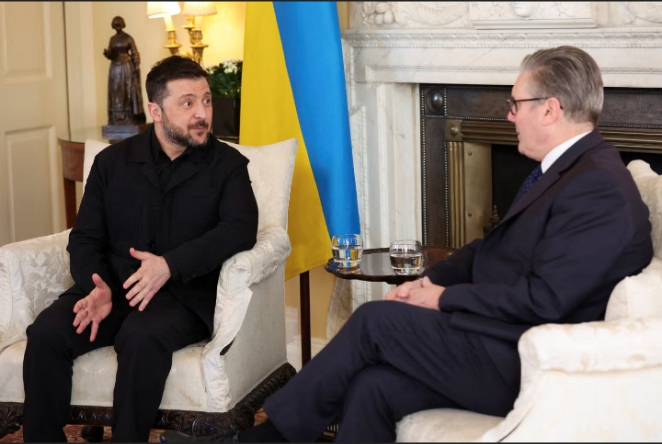
Analysts warn that even indirect adjustments risk weakening the perception of unity among Ukraine’s supporters.
Diplomatic observers suggest that sanctions credibility depends not only on formal rules but on consistent enforcement across economic cycles.
Western sanctions strategy under strain
The UK decision highlights broader tensions in Western sanctions strategy as multiple global crises overlap.
The Ukraine war, Iran conflict, and global energy instability have created sustained pressure on governments to balance geopolitical objectives with domestic economic stability.
One policy analyst summarised the challenge: “Sanctions are now as much about managing domestic inflation as they are about foreign policy.”
Labour Government Faces Growing Political Pressure
The policy has placed the Labour government under renewed scrutiny, with critics warning it risks setting a precedent for future sanctions easing during energy crises.
While ministers insist the change is temporary and subject to review, political opponents argue it signals a gradual weakening of sanctions resolve under economic pressure.
If fuel prices remain high, further policy adjustments may become politically unavoidable.
Read also:US Senate Iran war Powers vote deepens political pressure on Trump over Iran conflict
Energy crisis reshapes foreign policy choices
The UK’s decision to ease restrictions on Russian-linked refined fuel highlights the growing tension between foreign policy commitments and domestic economic pressures.
Driven by fuel inflation linked to the Iran war, the move reflects a broader shift in how governments are forced to navigate overlapping global crises.
As political backlash intensifies, the Labour government faces mounting questions over how long Western sanctions unity can hold in the face of sustained energy shocks and rising domestic costs.
About The Author
