England-based Nigerian footballer Saburi Olayinka Adeniji has tragically died from severe brain injury, leaving the football community in mourning and raising urgent discussions on player safety.
The 27-year-old winger, affectionately known as “Ola,” played for Kings Park Rangers in Halstead, Essex. He suffered a catastrophic brain stem injury on January 25.
Admitted to Queen’s Hospital’s Critical Care Department, Adeniji’s condition deteriorated rapidly. Medical staff delayed switching off life support, hoping his family from Nigeria could arrive in time.
Tragically, his wife and four-year-old daughter arrived just one day after his passing. The heartbreaking timing left the family devastated, unable to say their final goodbyes.
“Saburi fought so hard to still be here for when his family arrived. He was our King on and off the field,” the club said in a statement.
Kings Park Rangers compete in the Essex and Suffolk Border League and have a strong local following, often celebrated for supporting grassroots football in England’s regional leagues.

The club waived gate fees for recent matches, directing funds to support the Adeniji family. The gesture raised significant attention and donations from compassionate supporters.
A fundraising appeal for Adeniji’s family has collected over £16,000, close to its £17,000 goal, covering funeral costs, travel, and family support expenses during this tragic period.
Medical sources explained that Adeniji suffered a severe brain stem injury, a rare but often fatal condition, which left intensive care staff monitoring him closely for days.
Family members described Adeniji as a loving father, devoted husband, and dependable brother. His daughter now faces a future without her father, while his wife grieves deeply.
The football community has flooded social media with tributes, describing him as a “bright talent” and “selfless teammate” who brought joy to everyone at Kings Park Rangers.
Former teammates highlighted his dedication on the pitch, praising his speed, vision, and teamwork, calling him a “player who could change a game in a single sprint.”
Local supporters observed a minute’s silence before Kings Park Rangers’ fixture against Henley Athletic, a touching moment commemorating Adeniji’s life and contribution to regional football.
Club organizers arranged a memorial fundraising event, inviting fans and players alike to celebrate Adeniji’s career while assisting his grieving family in practical ways.
“Losing him is like losing a part of our family,” said team captain Matthew Benson. “He inspired us with his energy, and his memory will always remain alive.”
Kings Park Rangers emphasized that Adeniji’s legacy will extend beyond football, highlighting his role as a mentor to young players, encouraging discipline, dedication, and passion.
Community leaders in Halstead expressed condolences, noting that Adeniji’s death underscores the importance of health monitoring and injury prevention in non-league football across England.
Medical professionals continue to stress the need for awareness of brain stem injuries, warning clubs and families to recognize early warning signs and seek immediate intervention.
The footballer’s story has sparked broader conversations about player welfare in regional and non-league football, calling for enhanced support systems and medical protocols across England.
Fans across Nigeria and the UK paid tribute on social media, sharing memories, videos, and messages honoring Adeniji’s achievements and his kind-hearted nature off the pitch.
Adeniji’s story reminds players and supporters that football, while exciting, carries risks requiring vigilance, proper medical attention, and rapid response to injuries that could become life-threatening.
Local journalists described Adeniji as “a promising talent with a bright future” whose tragic passing leaves the football world reflecting on fragility, family bonds, and community spirit.
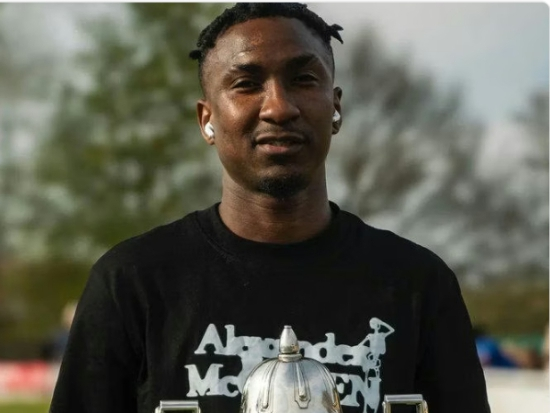
Social media tributes frequently used hashtags such as #RIPSaburiAdeniji and #KingOfKingsPark, keeping his memory alive and encouraging donations to his family’s fundraising appeal.
Kings Park Rangers’ management continues to communicate with supporters about ongoing fundraising efforts, emphasizing transparency and ensuring funds directly assist Adeniji’s wife and daughter.
The footballer’s death also prompted discussions about mental health support for grieving families, urging clubs and communities to provide counseling and practical assistance in tragic circumstances.
Friends and teammates remembered Adeniji’s humor and leadership, noting that he uplifted locker rooms, trained younger players, and displayed unmatched determination on and off the field.
His legacy will likely inspire future generations in both Nigeria and England, serving as a reminder of the fragile balance between ambition, talent, and life’s unpredictability.
Medical experts urge players to monitor any unusual neurological symptoms, citing Adeniji’s case as an example of how quickly brain injuries can escalate without visible signs.
Read also: Atlético Madrid vs Real Betis: Metropolitano shock as Betis strike back
The tragedy of Saburi Adeniji highlights the intersection of sports, family, and community, leaving an enduring impact on Kings Park Rangers and football fans around the world.
About The Author