The recent match between Liverpool and Manchester City ended in drama, with a red card decision becoming the headline across sports media worldwide.
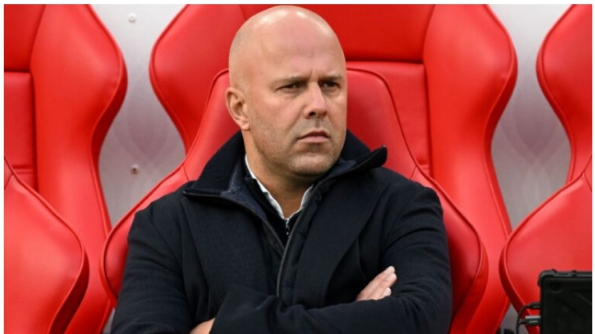
Liverpool manager expressed his frustration regarding the red card decision, emphasizing the importance of consistency when referees follow the football rulebook in key situations.
“That’s only over two games, and the ones that follow Liverpool know how many decisions I can come up with in all the other games as well, all the big decisions that could have gone in some situation to a 50-50,” he said.
The controversial red card involved Szoboszlai sent off late in the match, a move that many fans argue changed the final dynamics of the game significantly.
Addressing the decision to send Szoboszlai off in the final moments of the game, he added: “I can live with the fact, although I don’t like it, that the referee follows the rulebook and Dominik makes a foul on Haaland in that situation which is a clear shirt-pull and he was through on goal so he would have scored. That’s a red card.”
The Haaland goal chance was a critical moment, with Liverpool arguably losing a scoring opportunity due to the timing of the foul, intensifying debate over refereeing consistency.
“I think the city manager is really happy he gives a red card. If you follow the rulebook, and you have a clear shirt-pull by Guehi on Mo Salah, who for eight years has been scoring that ball 100 times out of 100 – a bit of an exaggeration – and it is not a red card, then there is more of my frustration,” he continued.

Fans reacted strongly on social media, highlighting that the red card decision was technically correct but emotionally unsatisfying, especially given the high stakes of the Liverpool versus Sunderland match.
Football pundits have dissected every angle, suggesting that referees must balance the rulebook with game flow, especially when a player like Haaland is on the verge of scoring a critical goal.
The City side celebrated the decision, with their manager reportedly satisfied with the enforcement of rules, highlighting how interpretations of the football rulebook vary by perspective.
“I can live with the red card for Dom. If you like football you say: ‘Ah, leave it as a goal, it’s good for them and good for everyone’, but as the City manager you prefer to see it as a red card. That’s the rule and following the rules is all I ask,” the Liverpool manager concluded.
This incident raises broader questions about how referees apply the rules consistently across leagues, with many arguing for clearer guidelines on red card situations involving shirt-pulls.
Statistics show that red card decisions have increased slightly over recent seasons, prompting debates on whether referees rely too heavily on video assistant referees for split-second calls.
Szoboszlai sent off marks one of the most talked-about moments of the season, with analysts predicting that this could influence future refereeing policies in Premier League fixtures.
Some fans argue that referees’ strict adherence to the football rulebook sometimes undermines the entertainment value of the game, especially when potential goals are canceled by disciplinary actions.
Haaland goal chance scenarios like this demonstrate the fine line between enforcing rules and maintaining fair play, leaving managers and fans divided over acceptable interpretations.
The Liverpool manager’s statements highlight frustration shared by many in the sport, noting that following rules strictly can sometimes feel at odds with the natural flow of football.
Meanwhile, Manchester City benefited from the refereeing decision, potentially altering the team’s morale and approach to the remainder of the match and future fixtures in the season.
Social media platforms exploded with opinions, memes, and analysis, with hashtags related to the red card decision trending for hours after the final whistle.
Experts have argued that players need clearer guidance on fouls leading to red cards, especially in moments involving high-speed breaks and potential scoring opportunities like Haaland’s.
“The referee follows the rulebook,” the Liverpool manager repeated in post-match comments, reinforcing his belief that adherence to rules is non-negotiable, even if it results in controversial moments.
Football analysts continue to debate whether Szoboszlai sent off was harsh or justified, with video clips reviewed hundreds of times for evidence of a shirt-pull on Haaland.
Public reaction remains polarized, with some praising the decision as fair enforcement and others criticizing it for affecting the excitement and unpredictability of the match outcome.
The Premier League has yet to comment officially, but insiders suggest that the refereeing team will be reviewed to assess consistency in applying rules across similar incidents.
Haaland goal chance could have shifted the standings significantly if the red card had not occurred, emphasizing the impact such decisions have on league rankings and title races.
Liverpool’s management insists that rulebook adherence is essential, but fans continue to push for a more balanced approach that considers the spectacle and flow of football.
The red card decision incident will likely remain a case study in football refereeing courses, highlighting challenges referees face when balancing strict enforcement with game dynamics.
Football rulebook discussions may also influence future rule amendments, potentially clarifying what constitutes a red card for shirt-pulls or clear goal-scoring obstructions.
City’s manager praised the outcome, demonstrating the contrasting viewpoints between teams benefiting from enforcement and those frustrated by critical game-changing decisions.
Overall, the red card decision involving Szoboszlai sent off continues to spark debate, with Haaland goal chance and refereeing controversies dominating headlines in football media worldwide.
Read more here:Liverpool Manchester City: City defeats Liverpool 2-1 in late drama chaos