

Italy denies use of Sicily airbase to US aircraft carrying weapons for Iran war, underscoring Rome’s firm stance on legal procedures and military oversight.
The decision reflects Italy’s commitment to enforcing agreements that regulate how foreign forces can operate within its territory.
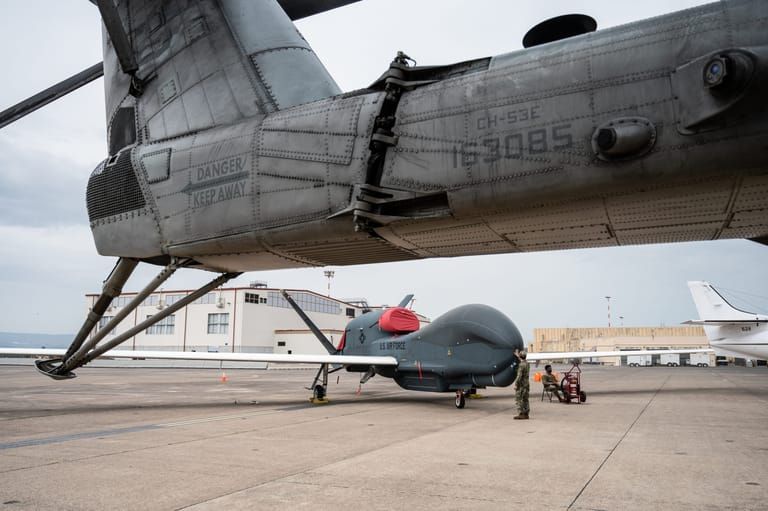
Officials from the Italian defence ministry confirmed that the United States had planned for military aircraft to land at the Sigonella base in Sicily.
Sigonella serves as a strategic hub for both US and NATO operations across Europe and the Mediterranean region.
Despite its importance, Italian authorities refused the request after determining that the proper authorization process had not been followed.
Under agreements established in the late 1950s, US forces are allowed to use Italian bases for logistics and training purposes.
However, these agreements restrict the use of such facilities as transit points for transporting weapons to active conflict zones.
Any exception requires an emergency situation and formal approval from the Italian parliament.
In this instance, officials said the request did not meet those conditions, leading to the denial.
The aircraft were reportedly already heading toward Sicily when permission was sought, leaving insufficient time for parliamentary review.
This procedural issue became central to Italy’s decision, reinforcing the importance of legal compliance.

The development has drawn attention to the complexities of cooperation within NATO alliances.
While Italy remains a key partner to the United States, it has demonstrated that cooperation must align with national laws.
Italy hosts several US military bases, making it an important location for transatlantic defence operations.
Even so, the government has shown that such arrangements are not without limits.
Domestic political pressure has also influenced the situation, particularly from leaders in Sicily.
Opposition politicians have raised concerns about increased military activity at Sigonella since tensions escalated in Iran.
They have called on the government to ensure that Italy is not drawn into external conflicts without proper authorization.
Prime Minister Giorgia Meloni’s administration has faced growing demands to clarify its position.
The government’s refusal appears to balance its alliance commitments with domestic legal responsibilities.
Italy has historically taken a cautious approach to involvement in foreign conflicts.
This approach is shaped by both public opinion and legal frameworks that emphasize parliamentary oversight.
By denying the request, the government reinforces its commitment to those principles.
The Sigonella base remains central to this debate due to its strategic importance.
Located in Sicily, it supports operations spanning Europe, North Africa, and the Middle East.
Its role in international military planning has made it a focal point for political scrutiny.
Questions about sovereignty and control over foreign military activities have long surrounded the base.
The current situation has revived those concerns, particularly in the context of the Iran conflict.
Opposition figures argue that allowing such operations could risk deeper involvement in war.
They insist that all military use of Italian territory must strictly follow legal procedures.
The government’s decision suggests it is taking these concerns seriously.
At the same time, the refusal could create tension with the United States.
US forces rely on European bases like Sigonella for flexibility in operations.
Limitations on access can complicate planning and logistics during periods of conflict.
Such disagreements are not uncommon in alliances where national laws differ.
They highlight the challenges of coordinating military efforts across multiple countries.
Read also:Macron visits Japan for Iran war dominated talks
Each nation must balance its own legal obligations with shared strategic goals.
In times of crisis, these differences can become more pronounced.
Italy’s insistence on parliamentary approval reflects its democratic system.
This requirement ensures that elected representatives have a say in decisions involving military action.
While this process may slow responses, it also provides accountability.
The reported timing of the US request further complicated the situation.
Seeking approval after the aircraft were already en route did not align with Italian procedures.
Officials viewed this as insufficient grounds to bypass legal requirements.
The refusal reinforces the idea that even close allies must respect established rules.
It also signals that Italy is unwilling to compromise its legal standards under pressure.
As tensions involving Iran continue, the role of European countries remains under scrutiny.
Many are seeking to avoid deeper involvement while maintaining alliance commitments.
Italy’s position may influence how other nations respond to similar requests.
The decision could shape broader discussions about military cooperation and sovereignty.
For now, Italy denies use of Sicily airbase stands as a clear example of national law taking precedence.
It highlights the importance of legal frameworks in guiding international military partnerships.
The development also reflects ongoing debates about responsibility and risk in global conflicts.