Israel bombs Gaza wedding during a fragile ceasefire period, killing civilians as international mediators gather in the United States seeking progress toward stabilising Gaza and advancing negotiations.
Israel bombs Gaza wedding at a time when diplomatic efforts were intensifying, underscoring the disconnect between battlefield realities and international attempts to preserve calm through mediation.
The strike occurred in Gaza City’s Tuffah neighbourhood, where displaced families had gathered inside a school converted into a shelter hosting a wedding celebration.
Local officials said the attack hit upper floors of the building, causing multiple casualties among civilians already displaced by months of conflict and repeated displacement.
Medical sources in Gaza reported that at least six Palestinians were killed, while several others sustained injuries requiring urgent treatment amid strained healthcare resources.
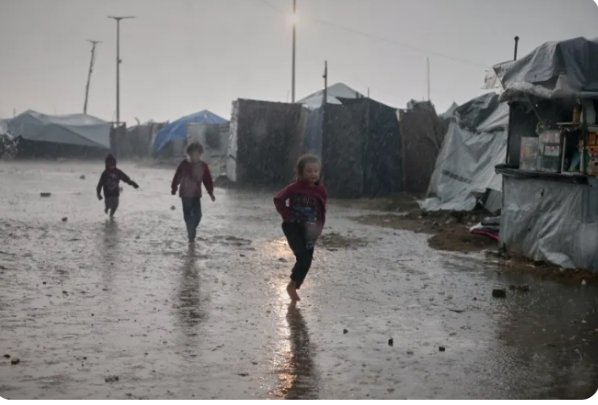
Witnesses described chaos following the strike, with families fleeing the damaged shelter as emergency responders struggled to reach the site due to damaged roads.
The incident unfolded as senior officials from Qatar, Egypt, and Turkiye arrived in the United States for ceasefire talks aimed at advancing the next phase.
Those negotiations are part of broader international efforts to reinforce a truce brokered earlier, which has remained fragile amid repeated allegations of violations.
Palestinian authorities argue that continued Israeli military actions undermine confidence in the ceasefire framework and weaken prospects for sustained de-escalation.
Israel has maintained that its military operations respond to security threats, though critics question strikes occurring during active diplomatic engagement.
The timing of the attack drew condemnation from regional observers, who warned it could complicate discussions already burdened by mutual distrust.
United States officials confirmed that talks were underway in Florida, involving regional mediators and American diplomatic representatives overseeing the process.
Washington has framed the discussions as essential to completing the first phase of the ceasefire agreement and preparing ground for longer-term arrangements.
Officials said priorities include governance mechanisms for Gaza, humanitarian access, and security arrangements intended to prevent renewed escalation.
US Secretary of State Marco Rubio stated that no party views the current situation as sustainable, stressing urgency in achieving tangible outcomes.
Rubio added that donor confidence for reconstruction depends heavily on stability and full implementation of agreed ceasefire commitments.
Regional diplomats attending the talks emphasised the need for restraint on the ground while negotiations proceed behind closed doors.
Despite diplomatic momentum, reports from Gaza indicate Israeli military activity has continued across multiple areas since the ceasefire began.
Shelling and air attacks were reported in eastern Khan Younis, where residents described ongoing insecurity and limited access to safe shelter.
Other strikes were recorded in central and northern Gaza, with plumes of smoke visible over densely populated neighbourhoods.
Palestinian media outlets reported additional casualties from artillery fire, further heightening fears among civilians already enduring severe hardship.
Humanitarian agencies warn that continued military operations worsen living conditions, particularly during winter, when shelter and heating are scarce.
Aid groups have repeatedly called for unrestricted humanitarian access, citing shortages of food, medicine, and essential supplies across Gaza.
Read also: Jeffrey Epstein files release exposes redactions, politics, and unanswered questions
Israel has faced international pressure to ease restrictions on aid deliveries, though officials argue inspections are necessary for security reasons.
United Nations representatives have warned that delays in aid threaten civilian survival and undermine the humanitarian goals of the ceasefire.
Hamas officials said the US-hosted talks must focus on ending violations and compelling Israel to adhere strictly to agreed terms.
A senior Hamas figure stated that Palestinians expect tangible results, including cessation of attacks and facilitation of reconstruction efforts.
The group also called for reopening border crossings, particularly Rafah, to allow movement of people and goods under international supervision.
Qatar’s prime minister previously warned that continued ceasefire breaches risk collapsing the entire mediation process, placing mediators in a difficult position.
Egyptian officials echoed those concerns, stressing that stability requires commitments being honoured by all parties without selective enforcement.
Turkish diplomats attending the talks highlighted the humanitarian dimension, urging immediate steps to protect civilians during negotiations.
Meanwhile, Israeli media reported that Prime Minister Benjamin Netanyahu convened a restricted security meeting to review ceasefire scenarios.
According to those reports, Israeli officials discussed potential responses should diplomatic efforts falter, though no immediate escalation was announced.
Analysts say internal political pressures within Israel also influence decision-making, complicating negotiations with regional mediators.
In Gaza, residents expressed frustration that diplomatic discussions abroad rarely translate into safety on the ground.
Displaced families described moving repeatedly between shelters, unsure whether ceasefire agreements offer genuine protection.
Human rights organisations documented numerous incidents they describe as ceasefire violations since the truce came into effect.
Israel disputes those characterisations, arguing its actions fall within defensive measures permitted under existing arrangements.
The international community remains divided over accountability, with calls for investigations often meeting political resistance.
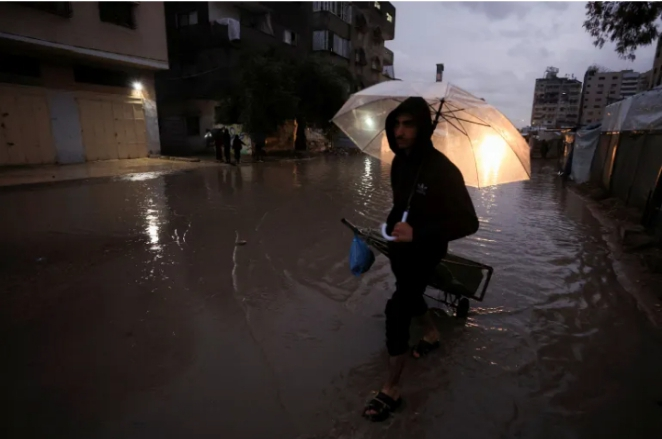
As talks continue in the United States, expectations remain cautious, shaped by past failures and ongoing violence.
Observers note that sustained calm will require enforcement mechanisms, transparency, and credible guarantees for civilian protection.
Without such measures, analysts warn that ceasefire agreements risk becoming symbolic rather than transformative.
For Gaza’s civilians, the strike on the wedding shelter reinforced fears that daily life remains perilous despite diplomatic assurances.
Families mourned victims while questioning whether international negotiations can truly deliver security and dignity.
As mediators push forward, the challenge remains translating dialogue into realities that prevent further civilian loss.
The outcome of the US-hosted talks may determine whether the ceasefire evolves into lasting stability or unravels under continued strain.