

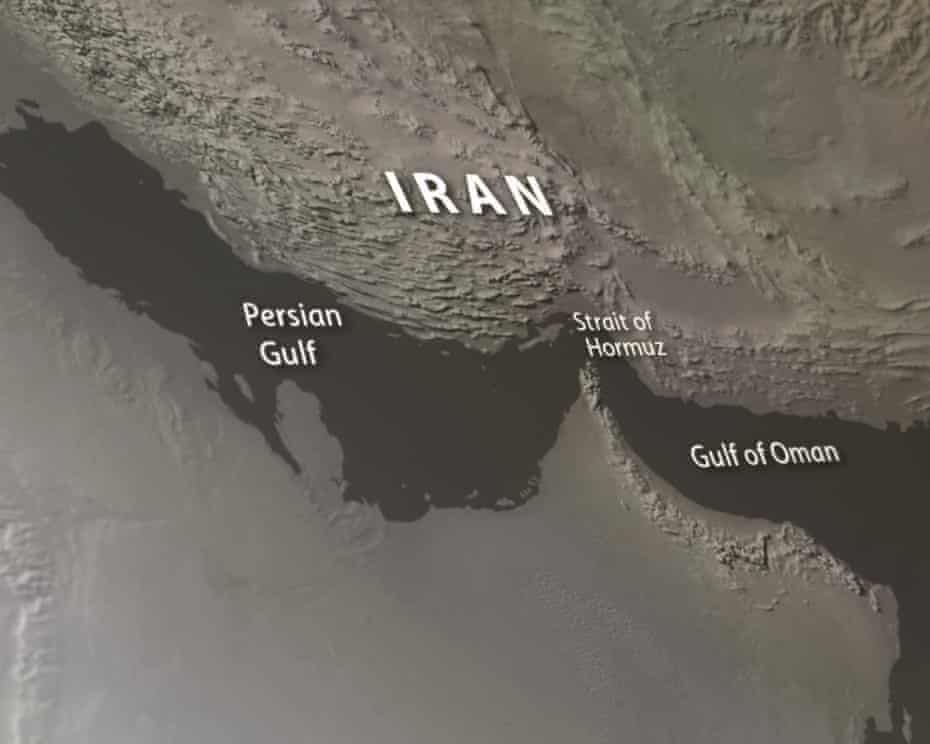
Strait of Hormuz shipping restrictions have come into sharp focus after two major container vessels successfully navigated the tense waterway despite ongoing controls imposed by Iran.
The ships, CSCL Indian Ocean and CSCL Arctic Ocean, passed through the strategically vital route after earlier uncertainty and delays.
Their movement highlights the fragile and tightly managed nature of maritime traffic in one of the world’s most important energy corridors.
Both vessels sailed close to Larak Island, an Iranian-controlled point along the narrow passage linking the Persian Gulf to global markets.
After clearing the strait, the ships continued toward Port Klang in Malaysia, marking a rare successful transit under current conditions.
The Strait of Hormuz remains a critical artery for global oil supply, with a significant percentage of the world’s crude exports passing through it.
Any disruption to this route has immediate implications for global energy markets and shipping networks.
Iran has not completely shut down the waterway but has significantly restricted access, allowing only a limited number of vessels to pass.
This selective approach has created a controlled flow of maritime traffic rather than a full blockade.
Countries considered non-hostile, including China, India, Pakistan and Thailand, have been allowed conditional passage through the strait.
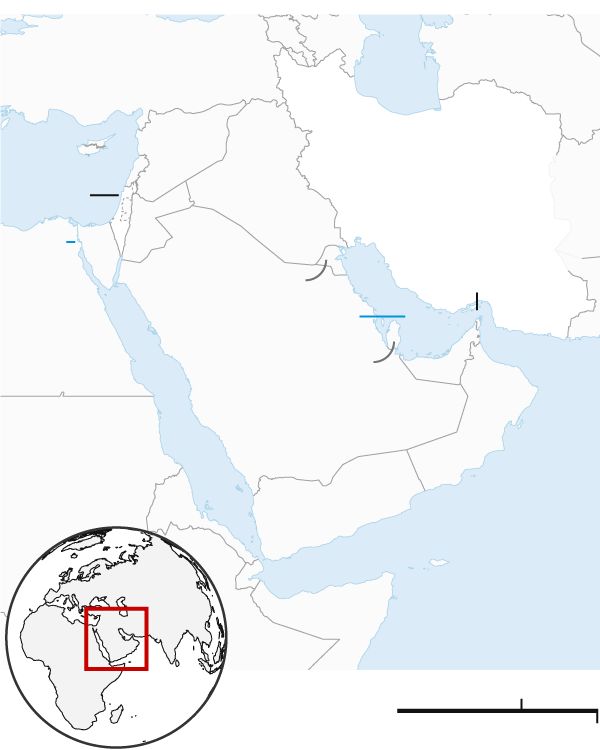
The transit of CSCL Indian Ocean and CSCL Arctic Ocean reflects this selective policy in action.
Both vessels had previously altered course before eventually completing their journey through the region.
Shipping companies are now forced to factor geopolitical alignment into routing decisions, alongside safety and cost considerations.
The presence of military surveillance and enforcement measures has added to the complexity of navigation in the area.
Vessels are often required to follow designated paths, increasing both operational risk and transit time.
Insurance premiums for ships operating in the region have risen sharply due to heightened security concerns.
This reflects the growing perception of the Strait of Hormuz as a high-risk maritime zone.
Despite these challenges, the waterway remains too important to global trade to be easily bypassed.
Alternative routes are longer, more expensive and less efficient, making continued use of the strait necessary for many operators.
Beyond restricting access, Iran has taken steps to formalise its influence over the passage.
Iranian lawmakers are now considering a proposal to introduce toll collection for vessels using the strait.
The move, currently under discussion in parliament, would involve charging ships transit fees as part of a broader regulatory framework.
Supporters of the plan argue that it would help manage traffic, enhance security oversight and generate revenue.
If implemented, the toll system would effectively transform the strait into a more tightly regulated corridor.
Analysts say such a development would represent a major shift in how the strategic chokepoint is governed.
It could also add new financial and operational pressures on global shipping companies already dealing with uncertainty.
At the same time, the proposal signals Iran’s intention to assert stronger authority over maritime activity in the area.
This has raised questions about the legality of such measures under international maritime law.
The Strait of Hormuz is widely regarded as an international passage, where freedom of navigation is a key principle.
Any attempt to impose unilateral controls or fees could face opposition from other nations.
The United States has already rejected claims that Iran has full control over the strait.
American officials maintain that the waterway remains open to international use and cannot be dominated by any single country.
Washington has also argued that Iran’s military capabilities have been significantly weakened in recent confrontations.
However, developments on the ground present a more complex picture.
Iran’s ability to restrict access, allow selective passage and consider toll collection indicates a continued level of influence.
Control over which vessels are permitted through the strait demonstrates practical authority, even if it is contested diplomatically.
This evolving situation highlights the gap between official statements and operational realities in the region.
While the United States denies that Iran controls the Strait of Hormuz, Iran’s actions suggest it still wields considerable leverage.
The proposed toll system further reinforces the perception that Tehran is seeking to formalise that influence.
As tensions persist, Strait of Hormuz shipping restrictions continue to reshape global trade routes and energy security strategies.
For shipping companies and governments alike, the situation remains fluid and unpredictable.
The successful passage of CSCL Indian Ocean and CSCL Arctic Ocean shows that movement is still possible, but only under tightly controlled conditions.
This controlled access underscores the strategic importance of the strait and the risks associated with relying on it.
In the broader context, the developments serve as a reminder of how geopolitical tensions can quickly impact global supply chains.
They also highlight the importance of maintaining stability in critical maritime corridors.
As discussions over toll collection continue in Iran’s parliament, the future of the strait remains uncertain.
Read also:Iran attacks oil tanker near Dubai as Israel reports soldier deaths and missiles hit region
What is clear, however, is that the balance of control and access in the region is being actively contested.
The United States continues to deny that Iran holds decisive control over the waterway.
Yet the current restrictions and policy proposals indicate that Iran retains significant operational influence over the Strait of Hormuz.
About The Author
