

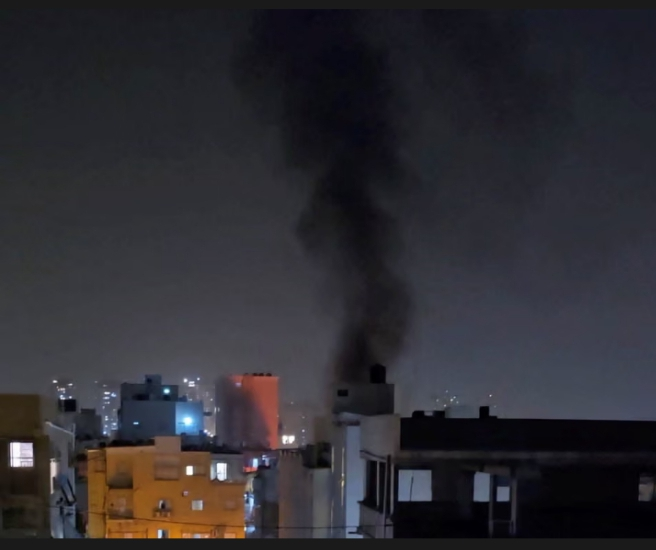
The “Iran Israel missile strike” saw missiles fired toward central Israel, with impacts reported in Bnei Brak as air defense systems engaged and civilians moved into shelters during nationwide alerts.
Authorities confirmed emergency teams responded rapidly, intercepting incoming threats while sirens sounded across multiple cities, prompting residents to seek immediate protection in designated safe areas.
In Bnei Brak, first responders treated a forty-five-year-old man for minor injuries caused by shattered glass, reflecting the risks posed by falling debris after missile interceptions.
Emergency services transported the injured individual to hospital for further checks, while rescue teams continued searching affected areas for additional casualties and assessing structural damage from reported impacts.
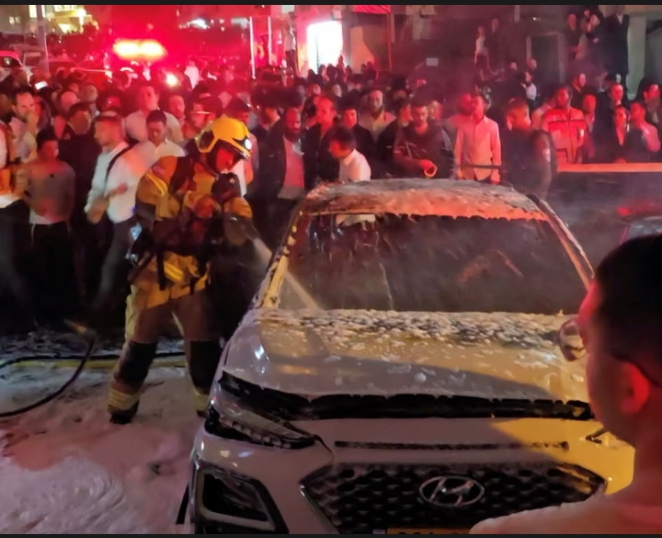
Military officials later announced civilians could leave protected spaces after initial danger passed, though search and rescue operations remained active in central Israel following the incident.
The unfolding situation underscores the continuing significance of the “Iran Israel missile strike”, as repeated exchanges highlight ongoing security challenges and the risks faced by civilian populations in urban areas.
Air defense systems played a key role in reducing potential casualties, successfully intercepting projectiles before they could cause widespread destruction in densely populated neighborhoods.
Despite interceptions, debris from destroyed missiles continued to pose hazards, falling into residential zones and causing injuries and damage to buildings and infrastructure.
Security analysts note that repeated attacks increase the risk of defense systems being overwhelmed, particularly if large numbers of missiles are launched simultaneously.
Residents described moments of panic as warning sirens activated, forcing immediate movement into shelters designed to protect against sudden aerial threats.
Local authorities emphasized the importance of following safety protocols, urging citizens to remain alert and comply with official guidance during periods of heightened tension.
The incident forms part of a broader pattern of confrontation, reflecting ongoing tensions between Iran and Israel across military and strategic domains.
Experts highlight that urban centers are increasingly at risk in modern conflicts, raising concerns about civilian safety and the humanitarian impact of missile exchanges.
The psychological toll on residents continues to grow, as repeated alerts disrupt daily life and create ongoing anxiety in affected communities.
Government officials reiterated their commitment to ensuring public safety while coordinating emergency responses and maintaining readiness for further developments.
Infrastructure assessments are ongoing, focusing on residential areas where even minor impacts can affect essential services and daily routines.
International observers have expressed concern over the situation, calling for restraint to prevent further deterioration into a wider regional crisis.
The “Iran Israel missile strike” also reflects advancements in missile and defense technologies, shaping the dynamics of modern warfare in contested regions.
Military experts are analyzing interception performance to improve defensive strategies and anticipate future threats under similar conditions.
Emergency responders remain on high alert, prepared to act quickly if additional incidents occur amid ongoing tensions.
Civilians returning to normal routines face uncertainty, as authorities continue monitoring the situation and providing updates based on real-time developments.
Community resilience is being tested, with support systems mobilized to assist those affected physically and emotionally by the incident.
Economic activities in affected areas may experience disruptions, particularly if alerts continue to interrupt transportation and business operations.
Regional actors are closely watching developments, assessing potential implications for broader stability in the Middle East.
The situation illustrates the complexity of deterrence strategies, where responses must balance strength with caution to avoid wider conflict.
Analysts warn that miscalculations remain possible, especially in rapidly evolving scenarios involving multiple military actions.
Maintaining communication channels is seen as essential in reducing the risk of unintended escalation from isolated incidents.
Humanitarian concerns remain central, particularly for vulnerable populations exposed to repeated conflict conditions.
Medical teams continue to ensure readiness, with hospitals equipped to handle potential increases in emergency cases.
Security forces are maintaining patrols and monitoring efforts to ensure stability in affected communities.
The broader geopolitical context suggests such incidents may continue, reflecting unresolved tensions and competing strategic interests.
Observers stress the importance of diplomatic engagement alongside military preparedness to create pathways toward stability.
The “Iran Israel missile strike” highlights how quickly events can impact civilian life and regional security dynamics.
Future developments will depend on decisions made in response to this incident, including whether tensions ease or further actions occur.
Authorities remain focused on recovery efforts while preparing for potential new developments in the coming days.
Read also: Cuba to release 2,010 prisoners after US eases fuel blockade with Russian oil shipments
The situation continues to draw global attention, given its implications for regional and international security.
About The Author
