

The Cuba to release 2,010 prisoners after US eases fuel blockade decision signals a major shift as Havana confirms a large-scale pardon following Washington’s move to allow critical oil deliveries.
The release plan, described as a humanitarian gesture during Holy Week, reflects Cuba’s attempt to balance internal pressures with external diplomatic signals linked to recent US policy adjustments.
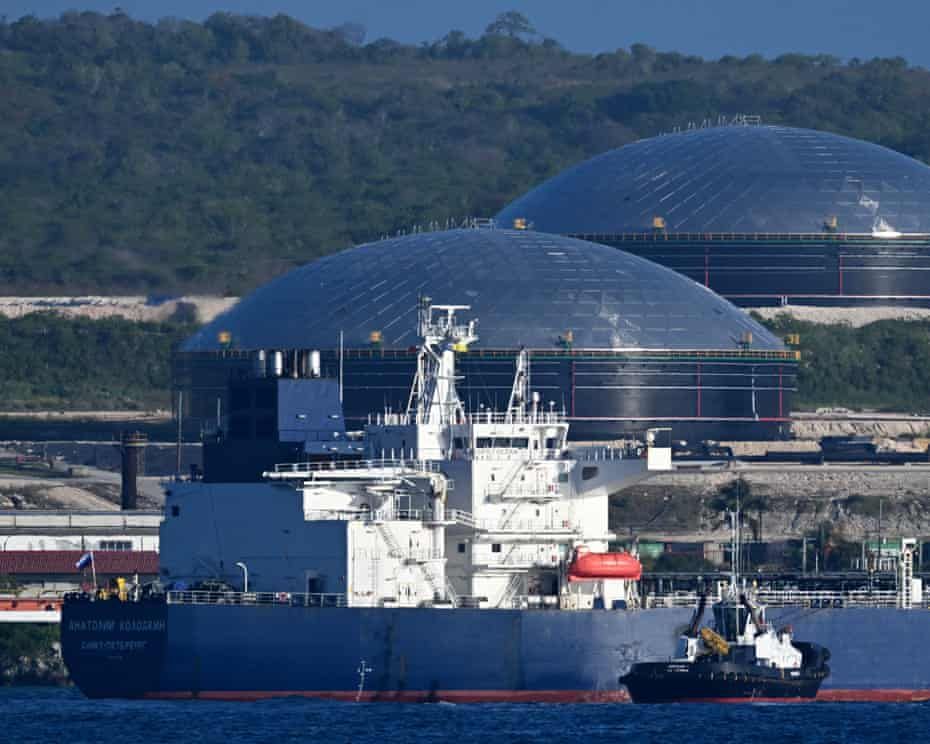
This “Cuba to release 2,010 prisoners after US eases fuel blockade” move follows the arrival of Russian oil shipments, which have eased severe energy shortages affecting transport, electricity and industry.
Authorities say those eligible for release were selected based on health conditions, age, good behaviour and time served, reinforcing claims that the decision is grounded in humanitarian and legal considerations.
The United States has long demanded the release of political prisoners in Cuba, making the scale and timing of this announcement particularly significant in the context of renewed bilateral engagement.
Experts believe the development could indicate cautious progress in diplomatic talks, with both nations exploring limited cooperation while maintaining deep-rooted political and ideological differences.
Cuba’s government has not revealed whether political detainees are included, leaving uncertainty over the broader political implications of the release and its potential impact on US policy responses.
Officials confirmed that individuals convicted of serious crimes such as murder, sexual offences and drug trafficking will not be included in the pardon, ensuring strict conditions remain in place.
The selective nature of the release highlights the government’s attempt to manage public safety concerns while projecting a humanitarian image during a period of economic and social strain.
Cuba continues to grapple with economic challenges driven by sanctions, fuel shortages and declining infrastructure, making the easing of oil restrictions a critical short-term relief measure.
Energy shortages have disrupted essential services nationwide, with frequent power outages and fuel scarcity affecting businesses, households and transportation systems across the island.
The arrival of Russian oil shipments underscores Cuba’s reliance on external partners to navigate sanctions, while also reflecting shifting global alignments in energy and geopolitics.
Analysts suggest the prisoner release may serve as a diplomatic signal aimed at encouraging further concessions or easing of restrictions from Washington in the coming months.
Religious context also plays a role, as Holy Week has historically been associated with pardons in Cuba, allowing the government to frame the move within cultural and moral traditions.
At the same time, the scale of over 2,000 prisoners marks one of the most significant release announcements in recent years, drawing international attention and scrutiny.
Recent dialogue between US and Cuban officials indicates a tentative reopening of communication channels, though expectations remain cautious given the long history of strained relations.
The US administration has linked economic relief to political reforms, maintaining pressure on Havana to implement systemic changes as part of any broader normalization process.
Cuba’s leadership, however, continues to emphasize sovereignty and resistance to external influence, framing its decisions as independent and rooted in national priorities.
The combination of humanitarian messaging and geopolitical timing suggests a carefully calibrated move by Havana to navigate both domestic challenges and international expectations.
Read also:Trump mocks Starmer over UK navy role in Hormuz crisis
Ultimately, the “Cuba to release 2,010 prisoners after US eases fuel blockade” development highlights how economic pressures, diplomacy and humanitarian gestures are increasingly intertwined in shaping Cuba’s current trajectory.
About The Author
