Tensions that had gripped the Middle East for years eased as the first seven Israeli hostages were released from Gaza, signaling a breakthrough in diplomacy and Gaza ceasefire.
Families gathered in Tel Aviv’s Hostages Square erupted in overwhelming joy, waving flags and shouting as news spread, celebrating the safe return of loved ones after the Gaza ceasefire.

“This is a moment I prayed for every day,” said a mother, tears flowing as she embraced her son, grateful for peace following the ceasefire.
The release of hostages was part of a broader US-mediated agreement, involving prisoner swaps that demonstrated international cooperation and the stabilizing influence of the Gaza peace deal.
“The negotiations required immense patience, courage, and faith,” noted a senior official, emphasizing how diplomacy, trust, and careful mediation delivered this historic Gaza ceasefire after years of uncertainty and division.

Palestinian authorities prepared for returning detainees to Gaza and the West Bank, ensuring safety, dignity, and hope were restored under the humanitarian provisions of the ceasefire.
Israeli Defense Forces confirmed readiness to receive additional hostages from the Red Cross, emphasizing that their rescue was made possible through coordinated terms of the Gaza ceasefire.
Celebrations were tempered with caution, as families recalled painful losses, yet faith in the Gaza peace deal brought emotional relief, restoring belief in dialogue and reconciliation after decades of tension.
Children meeting their freed parents smiled through tears, symbolic of renewal after trauma, while the success of the ceasefire inspired optimism across Israel, Gaza, and the international community.

“This is not the end, but a meaningful beginning,” said one released hostage, expressing gratitude that the truce offered new hope for coexistence and mutual respect.
A multinational delegation gathered in Egypt to reinforce commitments outlined in the ceasefire, establishing frameworks for continued cooperation, reconstruction, and cross-border humanitarian initiatives promoting lasting peace.
Discussions focused on border security, humanitarian corridors, and economic recovery, demonstrating how constructive engagement under the Gaza deal could strengthen both communities and prevent further cycles of violence.
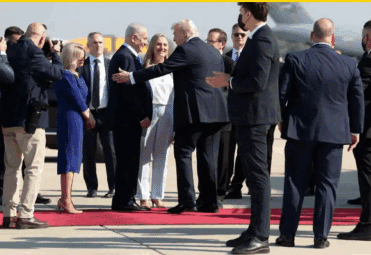
Donald Trump arrived in Israel, meeting with families and addressing the Knesset, pledging American support to ensure the Gaza ceasefire evolves into a durable regional peace framework.
Roads in Jerusalem and Tel Aviv were temporarily closed, reflecting heightened security as leaders emphasized that stability depends on maintaining faith in the Gaza peace deal principles.
Crowds watching live broadcasts cheered as freed hostages crossed safely into Israel, their return marking the first tangible victory of the ongoing Gaza ceasefire initiative.
The release of detainees demonstrated the shared humanity central to the Gaza ceasefire, with both sides recognizing that peace must prioritize compassion, justice, and reconciliation above retaliation.
Palestinian detainees, including those held for years, were released under careful monitoring, highlighting transparency and fairness promised under the Gaza ceasefire terms negotiated by mediators and humanitarians.
Witnesses described scenes of joy and disbelief, but leaders urged vigilance, noting the Gaza ceasefire remains fragile and must be protected through accountability, patience, and shared responsibility.
“This day represents hope and healing,” said a negotiator, crediting persistent diplomacy for achieving the Gaza ceasefire that transformed despair into determination for collective peace and reconciliation.

International observers praised the professionalism of Red Cross teams ensuring humanitarian standards during exchanges—a critical success story proving that the Gaza ceasefire could be implemented effectively.
Analysts highlighted that the Gaza ceasefire enables long-term projects like infrastructure rebuilding, education reform, and healthcare partnerships—tangible dividends of peace that rebuild trust among divided populations.
Political leaders expressed optimism that continued cooperation under the Gaza ceasefire would inspire future negotiations, encouraging participation from other regional actors and reinforcing confidence in peaceful coexistence.
“The world must see that peace is achievable,” said a diplomat, asserting that the ceasefire stands as a blueprint for global conflict resolution grounded in mutual empathy.
Communities in both Gaza and Israel began preparing cultural programs to celebrate shared heritage and resilience—symbolic gestures designed to strengthen the social foundations of the Gaza ceasefire.
Media across the globe emphasized the significance of the Gaza truce, framing it as a beacon of hope in a world often defined by conflict and division.
Economic analysts predicted trade normalization, job creation, and humanitarian investment made possible through the Gaza ceasefire, turning a political agreement into a tangible improvement in everyday lives.
“The Gaza ceasefire shows that dialogue and empathy defeat violence,” said a released detainee, affirming that human decency must always guide international policy and reconciliation.
Leaders warned that the success of the Gaza ceasefire relies on continued cooperation, transparency, and adherence to agreed terms, reminding all parties that peace requires constant nurturing.
Security forces ensured humanitarian convoys moved safely, providing medical care and counseling, as both sides honored the Gaza peace deal through disciplined adherence to humanitarian law and mutual respect.

The Gaza ceasefire celebrations continued quietly, marked by small community vigils and prayers for unity, reinforcing the collective yearning for stability and renewed human connection beyond politics.
Global organizations pledged support for reconstruction efforts, acknowledging that the Gaza truce offers not just peace, but a platform for social justice and sustainable regional development.
“Peace is fragile but worth protecting,” said a leader, calling citizens and governments to defend the Gaza ceasefire values through empathy, understanding, and continued diplomacy.
This historic ceasefire marks a turning point in the Middle East, proving that dialogue, compassion, and persistence can overcome hostility and bring nations closer together.
Communities are rebuilding with hope, focusing on education, youth engagement, and cross-border collaboration, using the ceasefire as inspiration for peace-centered growth and coexistence.
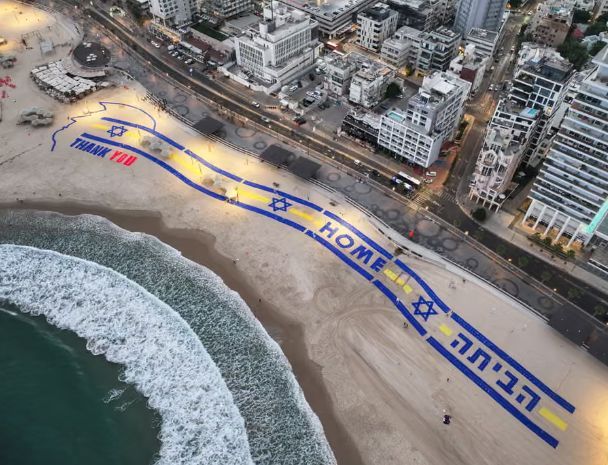
“This is a victory for humanity,” declared a participant, celebrating the Gaza ceasefire as evidence that courage and faith can transform even the deepest divisions into opportunities for unity.
The ceasefire stands as a moral lesson that cooperation and compassion hold more power than conflict, showing that global peace begins with local reconciliation and mutual understanding.