Gaza captives remains dispute deepens tensions as Israel confirms that recently returned bodies were not linked to captives, raising fears over stalled negotiations and humanitarian delays.
Palestinian authorities report 357 deaths in the first 50 days of the ceasefire, underscoring a pattern of Gaza ceasefire violations and the fragile nature of current agreements.
The Rafah crossing reopening remains uncertain, as Israel maintains veto power over exits, limiting humanitarian aid and civilian movement while drawing criticism from international observers.
More than 200 global figures have called for Marwan Barghouti release, highlighting human rights concerns and the symbolic role of high-profile prisoners in Palestinian politics.
Israel’s statement regarding the returned remains intensifies the Gaza captives remains dispute, illustrating mistrust and the sensitive negotiations over the safe return of Palestinian captives.
Ceasefire violations have surged, with near-daily Israeli attacks causing casualties, destruction, and psychological trauma among Gaza civilians, demonstrating the fragile implementation of international agreements.
Partial reopening of the Rafah crossing allows Palestinians to leave but not return, exacerbating tensions and drawing criticism for violating the spirit of the ceasefire agreement.
Marwan Barghouti, imprisoned for multiple life sentences, represents a focal point of Palestinian advocacy, with calls for release tied to broader peace and humanitarian efforts.
Gaza hospitals report 360 deaths and 922 injuries since the ceasefire, confirming the human cost of Israeli attacks on Gaza and raising urgent concerns over civilian protection.
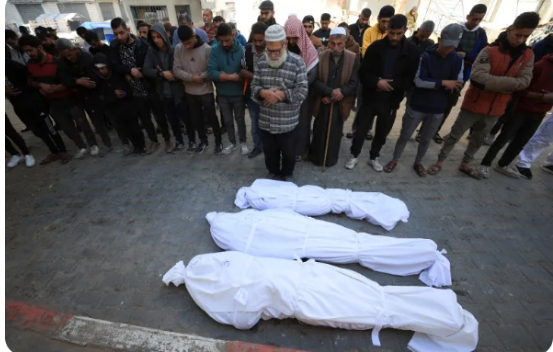
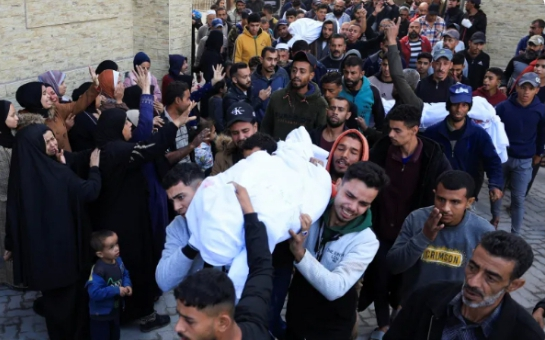
Funerals in Gaza City reveal the emotional toll of ongoing violence, highlighting the human impact of the Gaza captives remains dispute and continued Israeli attacks.
ICRC and international observers are monitoring ceasefire enforcement, yet gaps remain, showing the difficulty of ensuring compliance and accountability for ongoing violations in Gaza.
Hamas and Palestinian Islamic Jihad plan to release a captive’s body today, a development likely to influence negotiations and international perceptions of Israel’s obligations.
Israel’s envoy to Lebanon is engaging in economic talks, but tensions persist over Hezbollah and regional security, reflecting the complex dynamics surrounding Gaza and wider Middle East stability.
The Rafah crossing’s one-way operation restricts Palestinians’ return and humanitarian access, fueling criticism over Israel’s partial compliance and adding pressure to resolve the Gaza captives remains dispute.
Activists warn Gaza ceasefire violations are worsening, leaving civilians trapped between militant actions and Israeli attacks, creating a humanitarian crisis and prolonged instability in the region.
Photographs of mourning families in Gaza emphasize the human cost of ongoing attacks, as international bodies call for adherence to ceasefire and humanitarian norms.
Negotiations over captives remain a sensitive point in Israel-Hamas relations, with each party leveraging returns, body handovers, and ceasefire adherence for political and strategic advantage.
Global advocacy for Marwan Barghouti release underscores the intersection of human rights, political symbolism, and the broader Palestinian struggle within the Gaza captives remains dispute.
Palestinian casualties continue to rise, with hospitals struggling to manage wounded civilians, highlighting the urgent need for ceasefire enforcement and humanitarian access amid Israeli attacks on Gaza.
The Rafah crossing issue reflects larger geopolitical disputes, balancing Israel’s security concerns with humanitarian imperatives, as Palestinians remain displaced and uncertain about reunification with families.
Hamas and Palestinian Islamic Jihad’s planned handover highlights attempts to address humanitarian grievances, while emphasizing the delicate nature of ongoing ceasefire and negotiation processes.
Israel’s monitoring of ceasefire compliance reveals challenges in coordination with observers, highlighting enforcement gaps and the difficulty of ensuring accountability for continued Gaza attacks.
International voices have called out Gaza ceasefire violations, urging Israel to honor commitments, facilitate safe passage, and allow humanitarian aid in order to reduce civilian suffering.
Mourning and grief in Gaza reveal the enduring social consequences of conflict, shaping public sentiment and influencing both domestic and international political pressures surrounding the captives remains dispute.
Marwan Barghouti release advocacy intersects with humanitarian negotiations, demonstrating how high-profile detainees influence political settlements and ongoing ceasefire compliance in Gaza.
Ongoing Israeli attacks continue to worsen the humanitarian situation, with hospitals overwhelmed and aid restricted, emphasizing the importance of enforcing ceasefire terms and resolving the Gaza captives remains dispute.
Sustained monitoring and dialogue are critical for ceasefire enforcement, ensuring civilian protection, facilitating humanitarian access, and negotiating captive returns, while addressing the broader Gaza captives remains dispute.
Gaza captives remains dispute underscores the complexity of negotiations, enforcement gaps, and the urgent humanitarian need for Israel and Palestinian groups to honor ceasefire commitments.
—
Keyphrase List: Gaza captives remains dispute, Gaza ceasefire violations, Rafah crossing uncertainty, Marwan Barghouti release, Palestinian casualties, Israeli attacks on Gaza
About The Author