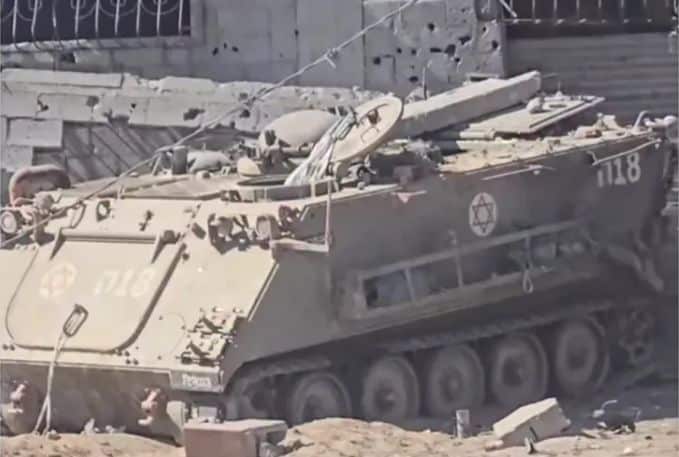
Israel returns Palestinian bodies numbering 30 to Gaza, the Hamas-run health ministry has confirmed, marking progress in the ongoing hostage and ceasefire exchanges, demonstrating delicate diplomacy amid persistent regional tension.
Hamas previously returned the remains of two Israelis, with the agreement stipulating Israel will hand over 15 Palestinian bodies for every Israeli body returned under the terms of the ceasefire.
So far, Hamas has returned all 20 living hostages but only nine of 28 deceased hostages, citing the need for specialist equipment to locate and recover the remaining bodies safely.
The delay in returning deceased hostages has fueled fears that the fragile ceasefire could collapse, prompting close monitoring by international actors who continue to urge both sides to remain committed.
Senior US advisers have downplayed fears of a ceasefire collapse, emphasizing that Hamas intends to honor the agreement, maintaining international confidence while avoiding potential missteps that could escalate violence.
Israel confirmed preparations are ongoing for opening the Rafah crossing, offering a potential lifeline for Gaza civilians, although humanitarian aid continues to enter primarily through other controlled checkpoints for security.
The partial return of Palestinian bodies underscores the broader humanitarian crisis in Gaza, where shortages of electricity, medical supplies, and basic necessities have intensified suffering for vulnerable civilians.
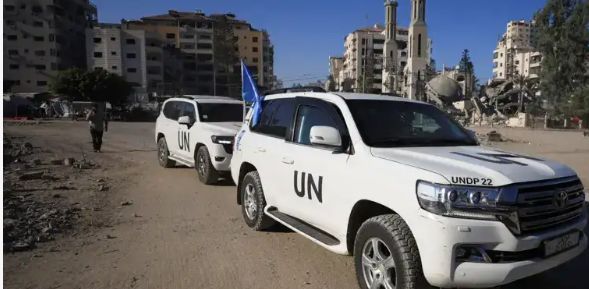
United Nations officials welcomed the exchange progress, urging both sides to continue fulfilling obligations, emphasizing that returning all hostages, living and deceased, is essential for maintaining trust and accountability.
Coordination over the Rafah crossing highlights the tension between humanitarian needs and security requirements, balancing safe civilian passage with monitoring to prevent smuggling or unauthorized material transfers.
Hamas’ need for specialist equipment to recover the remaining hostages illustrates logistical and technical challenges in conflict zones, particularly amid destroyed infrastructure and urban combat hazards complicating operations.
While the exchange represents progress, tensions remain high, and any misstep could be politicized domestically and internationally, impacting regional stability and perceptions of each side’s credibility in negotiations.
The negotiations reflect a delicate diplomatic balancing act, with both Israel and Hamas managing domestic political pressures, humanitarian concerns, and international scrutiny while attempting to implement agreements under complex circumstances.
US officials continue providing mediation and technical support, reassuring that Hamas is committed to honoring the deal, aiming to prevent panic or miscalculations that could undermine the fragile ceasefire arrangement.
Families in Gaza experience mixed emotions, with partial returns bringing relief for some while anxiety persists for others still awaiting the remains of loved ones, highlighting the human cost of conflict.
Israel maintains strict monitoring of aid entry points despite Rafah preparations, balancing humanitarian needs with security concerns to ensure deliveries are controlled, safe, and aligned with international distribution standards.
Staggered implementation demonstrates the practical difficulties of enforcing ceasefire agreements, where logistical, technical, and security challenges intersect with mistrust, making delays in returning hostages both common and sensitive.
Media coverage highlights the symbolic importance of exchanges, demonstrating both humanitarian concern and political credibility, signaling each side’s willingness to negotiate and adhere to agreements under global scrutiny.
Debates continue regarding Rafah crossing operations, with humanitarian organizations advocating for rapid opening while Israel insists on robust security protocols, exemplifying the tension between urgent civilian relief and national security priorities.
Partial returns raise legal and ethical considerations, as international law requires respect for the dead, with delays potentially sparking human rights scrutiny or diplomatic tension at regional and global levels.
The ongoing process provides rare, tangible progress in the broader Israeli-Palestinian conflict, with each successful return of hostages or bodies reinforcing potential for continued dialogue and containment of violence.
Senior advisers caution that while progress is notable, vigilance remains crucial, with continuous monitoring, transparent reporting, and international oversight essential to prevent setbacks or escalation in a volatile context.
Preparations for the Rafah crossing are watched closely internationally, as its eventual opening could provide relief for civilians while acting as a test of the broader ceasefire’s durability and efficacy.
Hamas’ reliance on specialist recovery equipment underscores the technological dimension of conflict resolution, requiring coordination, skilled personnel, and logistical planning to safely recover and identify hostages amid complex conditions.
Both Israel and Hamas face domestic scrutiny over the exchange, needing to demonstrate progress while avoiding actions that could provoke renewed violence or political backlash, reflecting the precarious political balance.
The return of Palestinian bodies also carries diplomatic significance, signaling good faith and reliability to neighboring countries and international mediators, influencing regional dynamics and future negotiations over humanitarian and security arrangements.
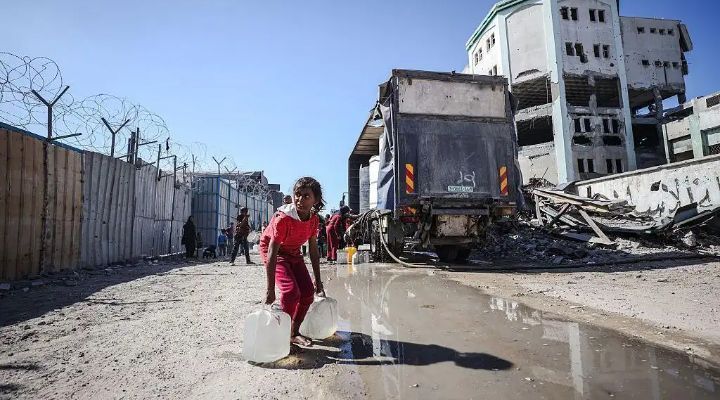
Humanitarian organizations emphasize that civilian welfare must remain the priority, as delays in returning deceased individuals directly affect families and communities, underscoring the urgent need for efficient and coordinated operations.
In conclusion, Israel’s return of 30 Palestinian bodies represents a major, though incomplete, step in hostage exchange negotiations, highlighting the interplay of diplomacy, humanitarian needs, and security considerations across the region.
Ongoing oversight, technical support, and transparent reporting remain essential to ensure both living and deceased hostages are safely returned, potentially laying the foundation for longer-term conflict de-escalation and dialogue.
About The Author