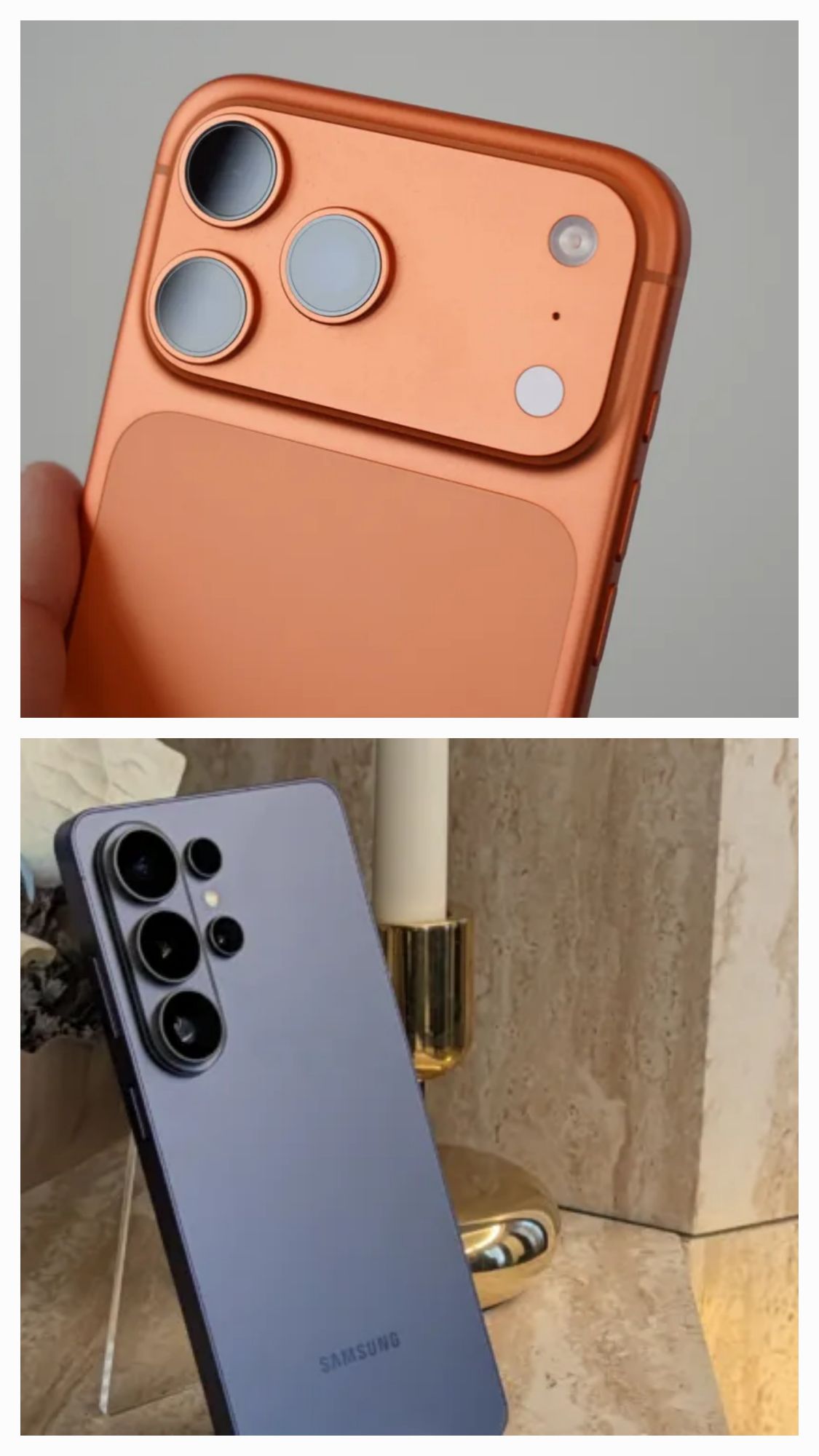

Galaxy S26 Ultra vs iPhone 17 Pro compared across design, camera, battery and AI to help you decide the best 2026 flagship.
The Galaxy S26 Ultra vs iPhone 17 Pro comparison defines the 2026 premium smartphone race. As the latest top-tier releases from Samsung and Apple, these two devices showcase contrasting philosophies: Samsung pushes hardware innovation to the limit, while Apple refines performance through deep hardware-software integration.
For buyers spending flagship-level money, the decision goes beyond brand loyalty. Display technology, camera systems, battery endurance, artificial intelligence, and long-term software support all play crucial roles. Here’s a fully optimized breakdown of the Galaxy S26 Ultra vs iPhone 17 Pro battle.

Design and Display: Bigger vs Balanced
The Samsung Galaxy S26 Ultra features a large 6.9-inch Dynamic AMOLED display with ultra-thin bezels and adaptive 120Hz refresh rate technology. Samsung’s panel is built for immersion, vibrant colors, deep contrast, and strong outdoor brightness make it ideal for streaming and gaming.
Meanwhile, the iPhone 17 Pro opts for a 6.3-inch Super Retina XDR OLED screen. Apple focuses heavily on color accuracy and calibration, delivering natural tones and excellent HDR performance. While smaller, it feels more compact and easier to handle one-handed.
In the Galaxy S26 Ultra vs iPhone 17 Pro debate, display preference comes down to size versus ergonomics. Samsung delivers cinematic scale; Apple delivers precision and comfort.
Performance: Raw Power vs Optimization
Under the hood, Samsung equips its Ultra model with the latest Snapdragon flagship processor (or Exynos variant in select markets), paired with generous RAM configurations. Multitasking feels effortless, and high-end gaming runs smoothly thanks to advanced GPU improvements.
Apple’s iPhone 17 Pro runs on its newest A-series Pro chip, engineered for maximum efficiency and sustained performance. Apple’s tight iOS integration ensures that even demanding tasks such as 4K video editing, run fluidly without draining the battery excessively.
In real-world use, both devices feel incredibly fast. However, the Galaxy S26 Ultra vs iPhone 17 Pro comparison reveals a philosophical difference: Samsung emphasizes hardware strength and flexibility, while Apple leans into software optimization and long-term stability.
Camera Systems: Megapixels vs Computational Mastery
Cameras remain central to any flagship decision.
Samsung pushes boundaries with a 200MP primary sensor on the Galaxy S26 Ultra. The high-resolution output enables detailed cropping and advanced zoom performance. Its periscope lens enhances long-distance photography, while AI-driven night mode improves low-light clarity.
Apple counters with a refined triple-camera setup that focuses less on megapixels and more on computational photography. The iPhone 17 Pro continues Apple’s dominance in video recording, offering cinematic stabilization, accurate skin tones, and reliable HDR.
When comparing Galaxy S26 Ultra vs iPhone 17 Pro for photography, Samsung wins on raw hardware flexibility and zoom. Apple excels in consistent results and professional-grade video.
Battery Life and Charging Speeds
Battery capacity often shapes daily usability.
Samsung includes a 5,000mAh battery designed to power its expansive display and AI features. Fast wired and wireless charging reduce downtime significantly, making it attractive for heavy users.
Apple’s battery may be smaller on paper, but iOS efficiency narrows the gap. The iPhone 17 Pro focuses on intelligent power management, ensuring balanced endurance throughout the day.
In the Galaxy S26 Ultra vs iPhone 17 Pro matchup, Samsung leads in charging speed and capacity, while Apple competes strongly through software optimization.
Software and AI Capabilities
Software experience is where the divide becomes most apparent.
Samsung’s One UI offers deep customization options, multitasking features, and AI tools for productivity and photography. Galaxy AI enhances translation, image editing, and contextual assistance.
Apple’s iOS ecosystem prioritizes fluidity and seamless integration. Features like AirDrop, iMessage, and cross-device continuity strengthen Apple’s ecosystem advantage.
The Galaxy S26 Ultra vs iPhone 17 Pro decision may ultimately depend on whether you prefer Android’s flexibility or Apple’s tightly connected ecosystem.
Build Quality and Longevity
Both brands use premium materials. Samsung combines reinforced glass with a durable frame, while Apple incorporates titanium for added strength and lighter weight.
Apple traditionally offers longer software update cycles, which can improve resale value over time. Samsung has narrowed this gap significantly with extended Android support policies.
Pricing and Value
Both phones sit firmly in the ultra-premium price bracket. Buyers should evaluate not only upfront cost but also ecosystem benefits, resale value, and long-term performance stability.
The Galaxy S26 Ultra vs iPhone 17 Pro comparison highlights two of the most advanced smartphones available in 2026. Samsung delivers cutting-edge hardware, a massive display, and powerful zoom capabilities. Apple focuses on refined performance, elite video quality, and unmatched ecosystem integration.
There is no universal winner in the Galaxy S26 Ultra vs iPhone 17 Pro battle only the device that aligns best with your needs. If you value customization, display size, and aggressive hardware innovation, Samsung stands out. If you prefer seamless software harmony and long-term reliability, Apple remains a strong contender.
Read more news at: ireport247news.com
About The Author