Growing concerns have emerged over the conduct of the Independent National Electoral Commission (INEC) following allegations of irregular PVC distribution in Kwali Area Council of the Federal Capital Territory (FCT), Abuja.
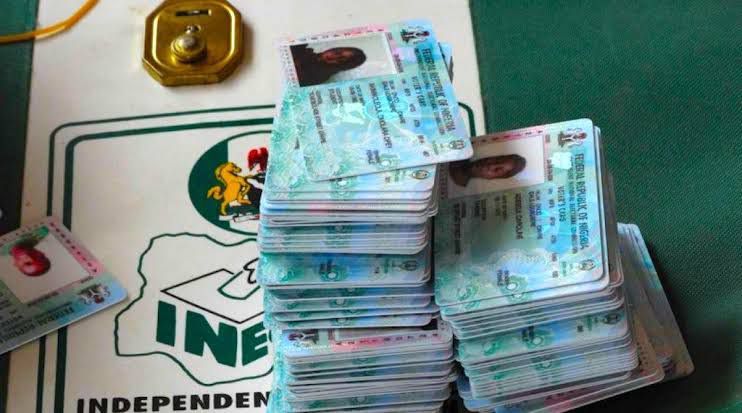
The controversy has triggered anxiety among residents, political actors, and civil society groups, who fear that administrative lapses could undermine confidence in upcoming elections.
The issue gained public attention after a video circulated on social media platform X (formerly Twitter), in which an African Action Congress (AAC) councillorship candidate for Pai Ward, identified as @Enyowins, accused INEC officials in Kwali of issuing his Permanent Voters’ Card to another individual.
The candidate claimed he had duly completed his voter registration but was shocked to discover that his PVC had allegedly been handed to someone else.
In the viral video, the AAC candidate openly criticised INEC’s handling of the exercise, describing the situation as unacceptable and dangerous for democracy.
According to him, the alleged error was not an isolated case but part of a wider problem affecting numerous registered voters in the area.
His claims were reinforced by testimonies from other affected individuals captured in the same footage.
One voter, who identified himself as Usman Godwin, alleged that his PVC was collected from the INEC office by an unauthorised person.
He further claimed that the incident was part of a larger pattern involving hundreds of voter cards.
“As things stand, this is the INEC office. My voter card has been collected on my behalf without my consent,” the voter said.
“This is just one among about 250 cards that were thumb-printed, signed, and collected for people who did not come in person. Now, there is no record of where these cards are.”
The voter demanded explanations from INEC officials, questioning how PVC distribution could be handled in a manner that allowed cards to be released to individuals who were not the rightful owners.
He insisted that such practices threatened citizens’ constitutional right to vote and called for immediate accountability.
The allegations have since generated widespread reactions online, with many Nigerians expressing concern that similar issues could occur in other parts of the country.
Some commentators warned that errors in PVC distribution could disenfranchise large numbers of voters, particularly grassroots participants who often face logistical barriers in accessing INEC offices.
Observers note that the controversy comes at a sensitive time, as preparations intensify for the FCT Area Council elections and future national polls.
In Nigeria’s electoral system, possession of a valid Permanent Voters’ Card is a prerequisite for participation, making any disruption in its issuance a serious matter.
Electoral analysts have also linked the Kwali incident to broader challenges facing INEC, including staff shortages, weak internal controls, and poor oversight during voter card collection exercises.
While INEC has repeatedly assured Nigerians of its commitment to transparency, incidents such as this have continued to fuel doubts about electoral integrity.
Efforts to obtain an official response from INEC’s headquarters in Abuja were unsuccessful as of the time of filing this report.
The commission has yet to publicly address the specific allegations raised by the AAC candidate or explain the reported lapses in PVC distribution in Kwali Area Council.
The silence from the electoral body has further heightened public concern.
Civil society organisations and local political leaders have urged INEC to immediately launch an investigation, audit the PVC collection records in Kwali, and identify any officials found to have acted negligently or unlawfully.
Residents of the area say the controversy has shaken their confidence in the system.
Some voters fear that if their cards cannot be located or retrieved in time, they may be unable to participate in future elections, effectively leading to voter disenfranchisement.
This is not the first time INEC has faced criticism over Permanent Voters’ Cards. Across the country, citizens have repeatedly complained about long queues, missing cards, delayed distribution, and administrative mix-ups.
The alleged Kwali case has now added a more troubling dimension, raising questions about the security and traceability of voter cards once they leave INEC custody.
Experts warn that unless urgent corrective measures are taken, controversies surrounding PVC distribution could erode public trust and discourage voter turnout.
They argue that safeguarding the credibility of elections begins with ensuring that every registered voter can easily access their rightful card.
As the situation continues to unfold, residents of Kwali Area Council and Nigerians nationwide will be closely monitoring INEC’s response.
For many, the outcome of this case will serve as a critical test of the commission’s willingness to uphold transparency, accountability, and the democratic rights of citizens.
About The Author