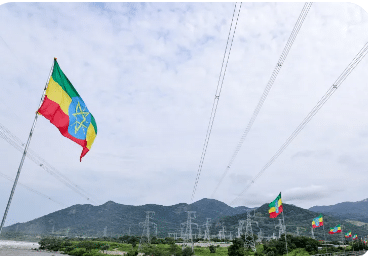
Ethiopia, Africa– Ethiopia has officially inaugurated the Grand Ethiopian Renaissance Dam (GERD), a massive hydroelectric project on the Blue Nile River, despite concerns from downstream neighbours Sudan and Egypt over water security.
The dam, located 14 kilometers east of the Sudanese border, is expected to generate over 5,150 megawatts of electricity, more than doubling Ethiopia’s current power capacity.
Prime Minister Abiy Ahmed hailed the GERD as a “shared opportunity” for the region, emphasizing its potential to bring about regional integration and cooperation.
“GERD will be remembered as a great achievement not only for Ethiopia, but for all black people,” Abiy said at the inauguration ceremony. “I invite all black people to visit the dam. It demonstrates that we, as black people, can achieve anything we plan.”
However, Sudan and Egypt have expressed fears that the dam will threaten their water security and breach international law. Egyptian President Abdel Fattah al-Sisi has called the dam an “existential threat,” while Sudan’s Roseires Dam, located downstream, faces potential risks if Ethiopia performs large water releases without coordination.
Despite these concerns, the GERD may also provide benefits such as regulating the annual flow of the river and reducing potential flooding in villages on the banks of the Nile.
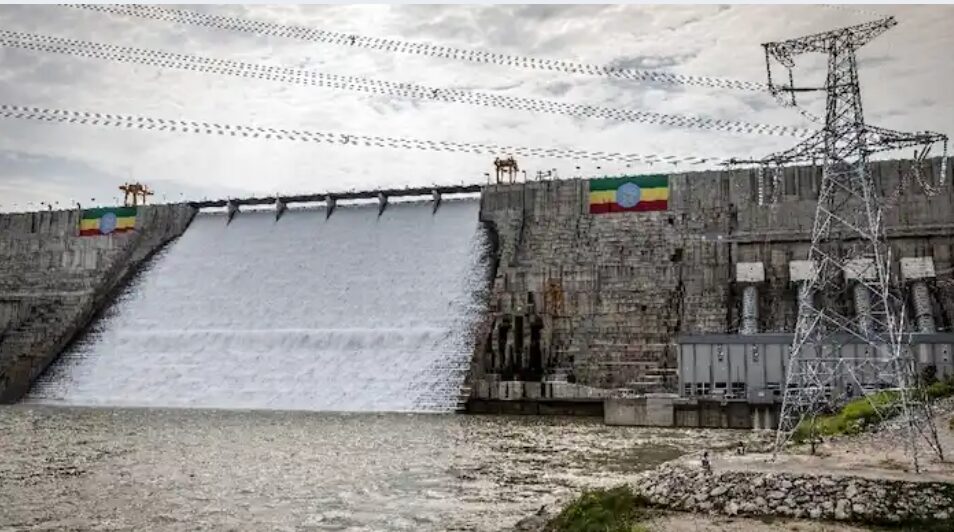
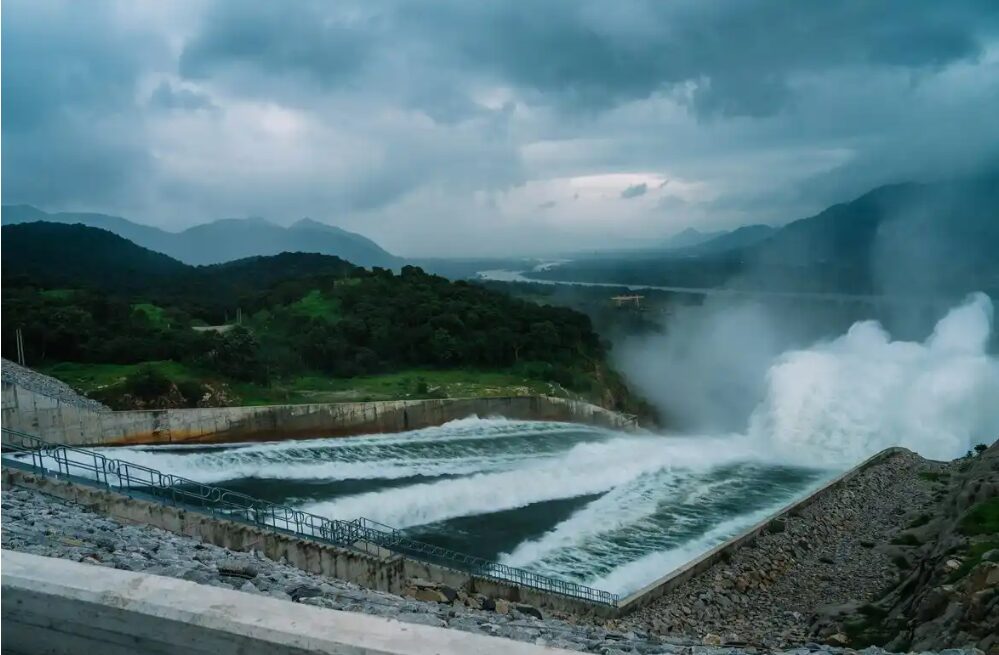
According to Abdullah Abderrahman, Roseires Dam administration manager, the GERD has already helped control overflow at Roseires, reducing the huge amounts of silt and trees brought by the rainy season.
Dessalegn Chanie Dagnew, associate professor of water resources at Bahir Dar University in Ethiopia, believes the dam’s benefits could extend beyond assuaging flooding and silt. “Rather than creating tension, GERD will also serve as a project that can really bring about regional integration and cooperation,” he said.
Pietro Salini, CEO of Italian company Webuild, which constructed the dam, acknowledges the concerns of neighboring countries but emphasizes the benefits of the dam. “Regulating the water from this dam will create an additional benefit” to neighbors, he said.
The GERD is seen as a symbol of African resilience and development, with Ethiopia’s Prime Minister Abiy Ahmed calling it a “monument of Africa’s renaissance and resurgence, built with its own capacity.”
The dam’s construction was financed domestically through bonds and public contributions, demonstrating Ethiopia’s self-reliance and unity.
As the GERD begins operation, its success will depend on Ethiopia’s ability to navigate ongoing challenges, including diplomatic tensions with Egypt and Sudan, and ensuring equitable electricity distribution and sustainable sediment management.
About The Author