

Nigeria’s local currency continued to navigate a delicate balance in both the official and parallel foreign-exchange markets on Tuesday, November 25, 2025, with the naira trading around ₦1,456 per US dollar at the Nigerian Foreign Exchange Market (NFEM).
Activity in the parallel market also remained relatively stable, as traders quoted the dollar between ₦1,455 and ₦1,465 amid moderated demand and mixed sentiment across the market.
The trading pattern reflects ongoing pressures from fluctuating dollar inflows, cautious market participation, and intensified retail demand heading into the final weeks of the year.
For many businesses and consumers, the Dollar to Naira Exchange Rate Today remains a major determinant of costs, pricing decisions, and financial planning as the broader economy adjusts to evolving monetary policy changes.
Dollar to Naira Exchange Rate Today: What the Numbers Say
According to market data compiled on Tuesday, the NFEM — also known as the official or volume-weighted market — closed at approximately ₦1,456 per dollar.
This reflects a marginal movement compared to last week, pointing to a temporary stabilisation in official flows even as broader supply concerns persist.
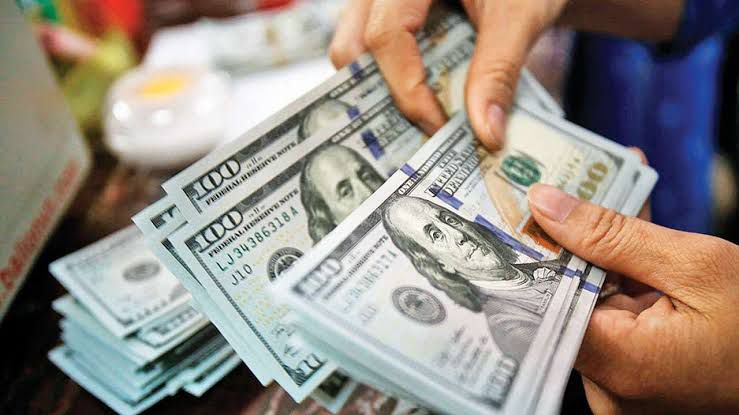
In the parallel (or cash) segment of the market, dealers purchased the dollar at about ₦1,455 and sold between ₦1,460 and ₦1,465.
The narrowness of the spread between the markets continues to attract the attention of analysts, especially as the official and unofficial rates have converged more notably in recent weeks.
Market operators attribute this narrow gap to two primary drivers: consistent interventions by the Central Bank of Nigeria (CBN) throughout the quarter and softer demand from bulk buyers ahead of expected end-of-year dollar inflows from remittances.
Dollar to Naira Exchange Rate Today: Why the Naira Is Moving This Way
Foreign-exchange analysts note a combination of structural and seasonal factors influencing the Dollar to Naira Exchange Rate Today:
Moderated weekly FX inflows
Dollar inflows into the NFEM slowed compared to the previous week.
Although sufficient to support the official rate, the reduced volume limited the ability of the market to absorb growing demand from importers and corporate buyers.
Retail pressure in informal channels
The final quarter of the year traditionally sees heightened demand from shoppers, travellers, and small traders, many of whom rely on the parallel market.
This rising appetite for physical dollars has sustained parallel-market activity even when official rates remain relatively stable.
CBN’s earlier monetary policy decisions
Following its policy rate cut in September and subsequent liquidity adjustments, the CBN has maintained a posture of active monitoring and measured intervention.
These moves have helped strengthen confidence in the official market, even though supply gaps remain.
Global dollar behaviour
Movements in US inflation data, Federal Reserve commentary, and global dollar strength continue to affect developing markets, including Nigeria.
The dollar’s moderate consolidation globally has had a stabilising influence on naira pricing over the past week.
Dollar to Naira Exchange Rate Today: Impact on Nigerians and Businesses
With exchange-rate movements touching almost every sector of Nigeria’s economy, the Dollar to Naira Exchange Rate Today carries significant implications for individuals, businesses, and industries.
Remittances and households
Nigerians receiving funds from abroad through informal channels will continue to encounter parallel-market premiums, meaning receivable amounts may vary depending on the source and channel used.
Importers and manufacturers
Businesses accessing dollars through the NFEM must contend with intermittent scarcity, pushing some demand toward the parallel market.
This mix often raises the cost of imported raw materials, especially for manufacturers dependent on foreign intermediate goods.
Small traders and retail buyers
Retail businesses, particularly in electronics, fashion, and food processing, remain exposed to exchange-rate volatility.
Even slight daily shifts can influence price adjustments, affecting profit margins and customer purchasing behaviour.
Travel, education, and health expenses
Families with obligations in foreign currency — from tuition fees to international medical bills — are watching the rate dynamics closely.
Any upward movement in the parallel market translates into a higher naira burden on these expenses.
Dollar to Naira Exchange Rate Today: What to Expect in the Coming Weeks
Market observers note that the trajectory of the naira over the short term will be shaped by a mix of domestic and external factors:
Weekly inflow strength
If weekly inflows into the NFEM rise, the official rate may consolidate further. But weak inflows could widen the gap between the official and parallel markets.
CBN’s upcoming FX operations
The central bank is expected to intensify its market operations as the year draws to a close, especially to stabilise liquidity and prevent retail-driven spikes.
Seasonal pressures
The end-of-year period historically brings additional dollar demand from importers stocking for the festive season, travellers preparing for holidays, and families sending dollars for international obligations.
Global market risks
Any significant shift in US monetary policy or global energy prices may affect Nigeria’s dollar earnings, with direct implications for exchange-rate stability.
Financial analysts predict that if the CBN sustains its liquidity support and inflows improve modestly, the naira may hold within its current band.
If inflows weaken, the parallel market could see upward pressure, potentially pushing quotes above current levels.
The stability seen in the Dollar to Naira Exchange Rate Today underscores Nigeria’s ongoing efforts to navigate currency reforms, tighten monetary policy, and manage a delicate balance between official and informal FX windows.
While the naira remains under pressure from demand-supply mismatches, the recent softening of the gap between markets offers a measure of relief.
As the year winds down, all eyes will be on the CBN’s next steps, foreign inflows, and the broader fiscal environment — factors that will shape how the naira performs into December and the first quarter of 2026.
About The Author


