

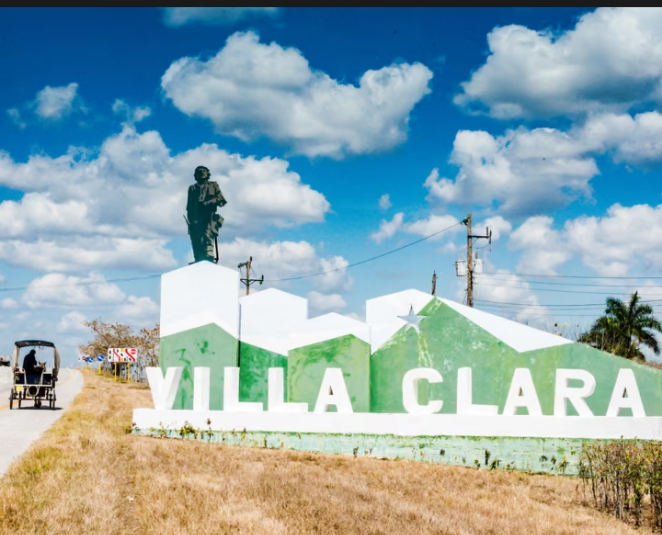
Cuba kills armed exiles in speedboat clash after security forces intercepted a US-registered vessel near Villa Clara, triggering a deadly confrontation during a period of escalating diplomatic strain.
Officials said the clash unfolded offshore when Cuban patrol units encountered a fast-moving speedboat entering national waters under suspicious circumstances late Wednesday evening.
Authorities described the occupants as “heavily armed exiles” who allegedly opened fire on Cuban border guards during an attempted interception near strategically sensitive coastal islands.
The Cuban interior ministry stated that four attackers were killed during the exchange, while six others sustained injuries and were later taken into custody.
Cuba kills armed exiles in speedboat clash at a time when relations with the United States are already strained by sanctions, migration pressures, and regional geopolitical rivalry.
Government statements claimed the group departed from Florida, traveling at high speed and equipped with assault rifles, handguns, and improvised explosive devices.
Officials said the attackers wore camouflage clothing and protective gear, suggesting “premeditated hostile intent” rather than an accidental maritime encounter or smuggling operation.
Cuban border guards reportedly returned fire after sustaining injuries, including wounds to a patrol commander involved in coordinating the maritime response operation.
The incident occurred near sparsely populated keys off Villa Clara province, an area frequently monitored due to historic migration routes and smuggling activity.
Cuba kills armed exiles in speedboat clash amid renewed attention on maritime security vulnerabilities across the Florida Straits and broader Caribbean corridor.
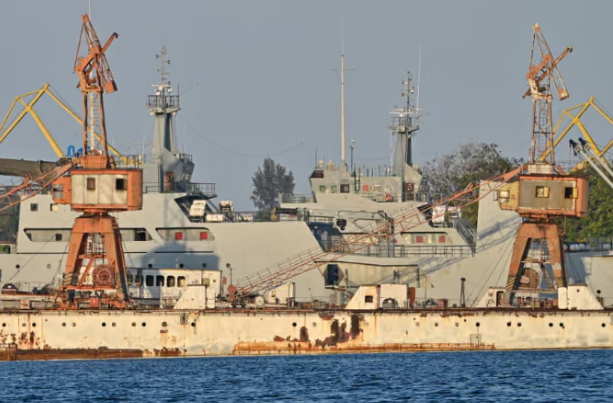
Photographs released by state media showed damaged patrol craft and confiscated weapons recovered from the intercepted speedboat following the confrontation.
Authorities confirmed the wounded detainees received medical treatment before being transferred to secure facilities for further investigation and questioning.
Cuba identified several suspects as “known extremists” previously wanted in connection with alleged plots targeting state infrastructure and public officials.
The government said another individual was detained inland, accused of coordinating logistical support and communications for the infiltrating group.
Cuba kills armed exiles in speedboat clash, reviving memories of Cold War-era confrontations between Havana and exile groups operating from US territory.
US officials acknowledged notification from Cuban authorities but emphasized the need for “independent verification” before drawing conclusions about the encounter.
The US secretary of state, Marco Rubio, said no American government personnel were involved in the incident.
Rubio described the situation as “highly unusual,” noting that armed shootouts at sea between non-state actors and foreign patrols are extremely rare.
Cuba kills armed exiles in speedboat clash as Washington balances skepticism toward Havana with concerns about unauthorized armed activity originating from US soil.
Florida’s attorney general announced a state-level investigation, arguing that Cuban accounts “cannot be taken at face value” without corroborating evidence.
Havana rejected such claims, insisting the operation was defensive and conducted strictly within Cuban territorial waters under international maritime law.
The clash unfolds against a backdrop of worsening economic hardship on the island, driven by fuel shortages and prolonged energy blackouts.
Cuba kills armed exiles in speedboat clash while facing an acute energy crisis that has left households without electricity for extended daily periods.
US sanctions and supply disruptions have reduced oil imports, forcing Cuba to ration fuel and rely on humanitarian assistance from foreign partners.
Washington recently adjusted licensing rules allowing limited resale of Venezuelan-origin oil for civilian use, excluding Cuban government institutions.
Cuba kills armed exiles in speedboat clash as these policy shifts raise questions about enforcement, trust, and unintended security consequences.
Regional leaders warn instability could fuel increased migration attempts, human smuggling, and cross-border security incidents throughout the Caribbean.
Mexico and Canada have announced humanitarian aid deliveries, emphasizing food assistance rather than direct fuel shipments to the Cuban state.
Canadian officials framed their response as “humanitarian-focused,” citing worsening living conditions and food insecurity across urban and rural communities.
Cuba kills armed exiles in speedboat clash almost exactly three decades after a historic aerial incident derailed diplomatic thaw efforts.
In 1996, Cuban forces shot down aircraft operated by an exile group, triggering expanded US sanctions and decades of frozen relations.
That legacy continues to shape political calculations in Washington, Havana, and exile communities concentrated in southern Florida.
Cuba kills armed exiles in speedboat clash as comparisons emerge between past exile operations and contemporary security threats.
US courts continue hearing cases tied to property confiscations following Cuba’s 1959 revolution, further complicating bilateral engagement.
The current US administration, led by Donald Trump, has adopted a pressure-driven approach toward Havana.
Officials argue economic leverage can force reform, while critics warn sanctions deepen humanitarian suffering without delivering political change.
Cuba kills armed exiles in speedboat clash as regional governments urge “constructive dialogue” to prevent escalation and miscalculation.
Caribbean leaders meeting under Caricom have called for restraint, emphasizing regional stability, trade security, and migration management.
Analysts note that maritime incidents carry high escalation risks due to limited communication and rapid decision-making under perceived threat.
Cuba kills armed exiles in speedboat clash underscores how localized security events can quickly acquire international diplomatic significance.
Havana insists it will continue defending its sovereignty, warning against tolerance of armed groups operating from foreign territory.
US officials reiterate commitments to investigate unauthorized activities while maintaining pressure on Cuba over governance and human rights.
Cuba kills armed exiles in speedboat clash leaves unanswered questions about accountability, verification, and the fragile balance between deterrence and dialogue.
Read also: Bill Gates apologizes for Jeffrey Epstein ties in foundation staff address
As investigations continue, the episode highlights the enduring volatility of US–Cuba relations and the risks embedded in unresolved historical conflict.
About The Author


