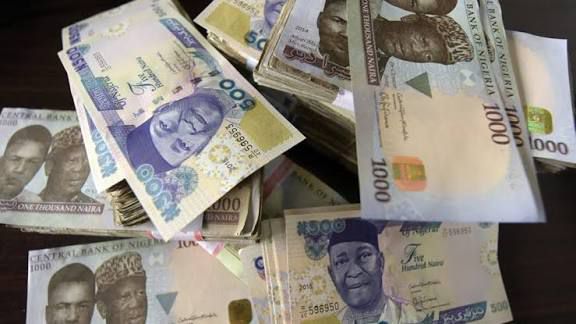
Rising Concerns Over Nigeria’s Crude-Backed Loans
Fresh concerns have emerged over Nigeria’s crude-backed loans as financial analysts, industry experts, and civil society groups intensify calls for transparency around the country’s oil-for-cash arrangements.
The renewed debate follows revelations that the Nigerian National Petroleum Company Limited (NNPCL) is still entangled in multiple forward-sale crude contracts used to secure loans that have spanned different administrations.
The issue has resurfaced at a time when Nigeria’s fiscal pressures are mounting, with persistent foreign exchange shortages, widening debt obligations, and rising subsidy-related revenue shortfalls.
As a result, the crude-backed loans have become a central point in ongoing discussions about economic reforms, accountability, and the future of Nigeria’s energy financing model.
Industry watchers note that while crude-for-loan deals are not new, the scale, structure, and opacity of recent arrangements require closer evaluation—particularly amid concerns about repayment timelines, governance gaps, and the potential long-term impact on Nigeria’s export earnings.
How Crude-Backed Loans Became a Major Financing Tool
Crude-backed loans gained popularity as a tool to secure quick financing for government programmes, balance-of-payments support, and infrastructural commitments.
By pledging future crude oil production, the government and the national oil company were able to access substantial funds without going through traditional borrowing channels.
However, this model created new vulnerabilities. Analysts point out that relying heavily on crude cargoes to service debts reduces Nigeria’s dollar inflows, complicates fiscal planning, and makes the country more exposed to oil price volatility.
In the last decade, forward-sale deals—some reportedly amounting to billions of dollars—became a primary mechanism for stabilising government revenue.
But as global oil prices fluctuated and domestic production declined due to vandalism and operational disruptions, concerns mounted about the sustainability of these arrangements.
New Questions Over Transparency, Terms, and Governance
The latest wave of public interest was triggered by reports that some of Nigeria’s crude-backed loans were not openly disclosed, leaving stakeholders uncertain about the repayment terms, discount rates, and accountability mechanisms.
Civil society groups argue that the lack of publicly available documentation fuels suspicion about mismanagement and potential revenue loss.
Energy governance advocates insist that forward-sale deals must be published in full—including the identity of financiers, repayment schedules, and the actual crude volumes committed.
Several experts also worry that continued reliance on crude-backed loans undermines Nigeria’s broader economic reform efforts.
They argue that while such deals offer short-term relief, they deepen long-term vulnerabilities by locking the country into forward-sale obligations that diminish future export earnings.
Impact on Dollar Liquidity and National Budget Planning
One of the most pressing issues linked to crude-backed loans is their impact on dollar liquidity.
With a portion of crude production already committed to debt repayment, the Central Bank of Nigeria (CBN) receives less foreign exchange from crude sales. This shortage directly affects the country’s ability to stabilise the naira and meet its import obligations.
The reduced inflow also complicates national budget planning.
Since a large share of Nigeria’s revenue is dependent on oil exports, any reduction in available crude cargoes—whether due to forward sales or operational constraints—directly impacts projected income.
Analysts warn that unless the structure of these loans is reviewed, Nigeria may continue to struggle with limited fiscal buffers, making the economy highly vulnerable to global market shocks.
Government’s Position and Efforts to Reassure Stakeholders
Responding to the growing concerns, government officials have reiterated that crude-backed loans are “strategic financial instruments” designed to support national development and stabilise government finances during revenue shortfalls.
The NNPCL has maintained that all forward-sale arrangements were carried out within legal frameworks and with proper oversight.
According to the company, the deals are part of a broader financing strategy to ensure operational continuity, fund critical projects, and meet financial obligations to partners in the oil and gas sector.
Officials also insist that the government is moving towards improved transparency with ongoing reforms under the Petroleum Industry Act (PIA), which aims to enhance accountability, corporate governance, and financial reporting standards.
Energy analysts, however, argue that Nigeria must begin to phase out crude-backed loans in favour of more sustainable financing models.
They recommend a full audit of all existing oil-for-cash arrangements, publication of deal terms, and a transition towards commercial borrowing mechanisms that do not compromise future export earnings.
Some analysts suggest a shift towards hedging instruments, improved tax administration, and strengthened oil production capacity as alternatives to reliance on crude-backed financing.
They warn that unless the government reforms the model, forward-sale deals will continue to strain Nigeria’s foreign reserves, complicate budget execution, and undermine long-term fiscal stability.
As scrutiny intensifies, Nigeria’s crude-backed loans remain a focal point of national economic discourse.
While the financing model has provided short-term lifelines, experts agree that the long-term implications require urgent attention.
Ensuring transparency, improving governance standards, and reducing reliance on oil-for-cash arrangements will be critical to safeguarding Nigeria’s economic future.
About The Author