

Brown backs Starmer leadership as pressure intensifies on the UK prime minister following a widening political scandal and rising speculation about his political future.
Former prime minister Gordon Brown described Keir Starmer as a man of integrity but warned that the crisis surrounding his leadership is serious and will require urgent action, structural reform and strong decision-making if public trust is to be restored and political stability maintained in the months ahead.
Brown’s intervention comes at a critical moment in British politics, with investigations linked to former senior government figure Peter Mandelson triggering wider political fallout.
Allegations that confidential financial information may have been improperly shared during the global financial crisis era have led to police investigations and increasing scrutiny of how senior government appointments are vetted.
The controversy has placed Starmer under sustained pressure from opposition parties and has also created tension within his own political ranks.
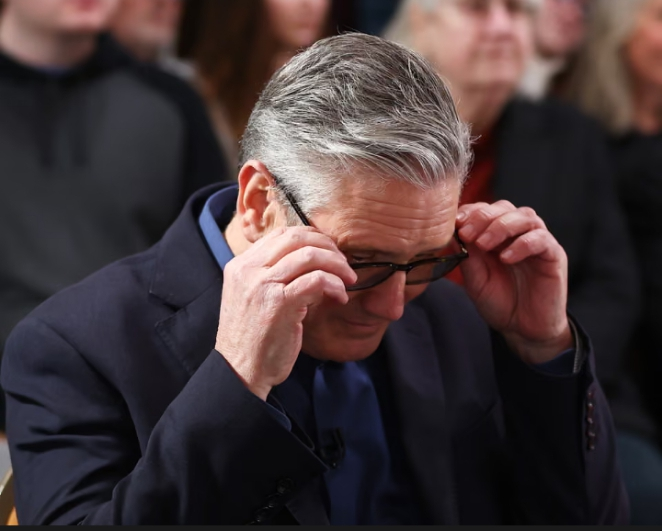
Brown made clear that his defence of Starmer is based on personal belief in the prime minister’s character and intentions.
He said he believes Starmer wants to act ethically and do what is right for the country, but stressed that leadership is ultimately judged by actions taken during moments of crisis.
Brown emphasised that the current situation represents more than normal political speculation, describing it as a serious leadership test that will shape how the public judges the government’s credibility.
The former prime minister acknowledged that speculation about leadership is common in politics and something nearly every national leader faces at some point.
However, he warned that this situation carries greater weight because it involves public trust, government oversight and questions about how effectively systems are working to prevent misconduct.
According to Brown, failure to respond decisively to corruption risks could cause long-term damage to public confidence in political institutions.
The controversy at the centre of the crisis has reignited debate about past political relationships and the influence of powerful individuals in government decision-making.
Investigations linked to historical associations with Jeffrey Epstein have created renewed scrutiny of past appointments and connections within political and financial circles.
The situation has raised broader questions about how governments monitor potential conflicts of interest and ensure ethical standards are upheld at the highest levels.
Starmer has faced criticism for previous decisions involving senior appointments, with some political critics arguing that stronger action should have been taken earlier.
Others have defended the prime minister, suggesting that decisions were made based on available information at the time. Brown acknowledged that Starmer may have moved too slowly initially but insisted that the focus should now be on how the government responds moving forward rather than solely on past decisions.
Brown has suggested that the crisis should be used as an opportunity to introduce major institutional reforms. These include strengthening vetting processes for senior political appointments, increasing transparency requirements and considering public confirmation hearings for certain high-level roles.
He argued that these changes would help reduce the risk of future scandals and help rebuild public confidence in political leadership.
The crisis has also intensified political debate within the governing party. Some lawmakers have expressed concern about the long-term political damage the scandal could cause, while others have urged unity to avoid weakening the government during a sensitive period.
Political analysts suggest that internal divisions could grow if the crisis continues or if further damaging information emerges from ongoing investigations.
Beyond immediate political consequences, the situation has sparked wider discussion about accountability and ethical standards in public life.
Many experts believe the scandal highlights weaknesses in oversight systems that allow potential risks to go unnoticed until they become public controversies.
Calls for reform have focused on improving transparency around political finances, strengthening ethics oversight bodies and improving background checks for senior appointments.
Brown has also spoken about the personal impact of the controversy, expressing regret about some past political decisions linked to individuals now facing investigation.
He warned that the scandal could damage Britain’s political reputation internationally if systemic reforms are not introduced quickly. According to Brown, global investors and international partners closely monitor political stability and ethical governance when evaluating economic partnerships.
The crisis comes at a time when public trust in political institutions is already under pressure. Surveys have shown declining confidence in political leadership across many democratic countries, with corruption scandals often accelerating public frustration.
Political observers say Starmer’s response to this crisis could shape not only his political future but also broader public attitudes toward government accountability.
Supporters of the prime minister argue that he has an opportunity to demonstrate strong leadership by pushing through reforms and cooperating fully with investigations.
They believe decisive action could help restore public confidence and strengthen institutional safeguards. Critics, however, argue that public trust may take years to rebuild regardless of immediate reforms.
The political fallout has extended beyond government circles, influencing public debate and media coverage across the country. The scandal has become a major political talking point, with citizens demanding greater transparency and accountability from elected officials.
Many voters have expressed concern about whether existing safeguards are strong enough to prevent future controversies involving senior government figures.
Economic experts have also warned that prolonged political instability could affect market confidence and economic planning.
While the UK economy remains stable overall, uncertainty around political leadership can create hesitation among investors. Brown emphasised that strong and transparent governance is essential not only for political stability but also for long-term economic confidence.
Despite the intense pressure, Brown remains confident that Starmer can recover politically if he takes decisive steps. He believes the prime minister must demonstrate urgency, transparency and a willingness to reform political systems that may have allowed risks to develop unnoticed.
Brown stressed that the next few months will be critical in determining whether Starmer can rebuild trust and stabilise his leadership position.
The coming period is expected to be decisive for the government. Investigations will continue, political pressure will remain high and public scrutiny is likely to intensify.
Read also: China overturns Canadian Robert Schellenberg’s death sentence
Political analysts say Starmer’s ability to communicate clearly, act decisively and introduce visible reforms will play a major role in shaping public perception.
Ultimately, the crisis has become a defining moment for Starmer’s leadership. While political scandals often create short-term instability, they can also create opportunities for structural reform.
Whether this crisis becomes a turning point for political accountability or a long-term political setback will depend on how effectively the government responds in the months ahead.
About The Author


