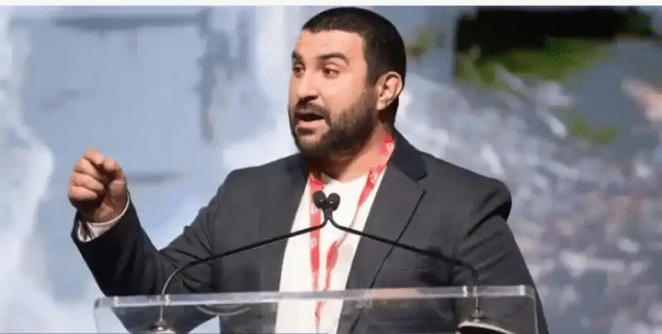
British journalist Sami Hamdi ICE detention ended after more than two weeks, drawing international attention to how immigration enforcement can target journalists critical of political conflicts abroad.
Hamdi, 35, was detained on October 26 at San Francisco International Airport while attending a speaking tour addressing Gaza, accused of overstaying a visa unexpectedly revoked.
His wife, Soumaya Hamdi, celebrated his release, posting, “Sami is coming home, alhamdullilah. Elated doesn’t begin to describe the feeling,” expressing gratitude to supporters worldwide for their encouragement.
Legal representatives from CAIR California and the Muslim Legal Fund of America denounced Hamdi’s detention as politically motivated, criticizing the US immigration crackdown against outspoken critics of Israel.
“It is this simple: Sami never should have spent a single night in an ICE cell,” said Hussam Ayloush. “He only spoke about Gaza’s humanitarian crisis,” he added.
Hamdi’s lawyers highlighted the visa revocation controversy, noting that the government revoked his visa without warning and filed no criminal or security-related allegations against him.
Far-right figures celebrated Hamdi’s detention online. Activist Laura Loomer claimed he supported terrorism, though no evidence was presented. Supporters denounced the claims as politically driven attacks.
His father, Mohamed El-Hachmi Hamdi, said, “Sami has no political or religious affiliations. His stance supports people’s rights to freedom, security, dignity, and justice,” defending his son publicly.
Human rights advocates emphasized that Hamdi’s case reflects risks to journalists reporting on politically sensitive issues. Lina Al-Khatib said, “Targeting pro-Palestinian voices undermines freedom of the press globally.”
The detention coincided with intensifying violence in Gaza, where UN investigations report tens of thousands of casualties. “Sami was reporting on a humanitarian crisis, not committing a crime,” said attorney Fatima Qureshi.
Public advocacy campaigns and legal pressure played a crucial role in securing Hamdi’s release, showing the impact of collective action in defending human rights and journalistic freedom.
Soumaya Hamdi praised the supporters, saying, “This is a victory not just for Sami, but for free speech everywhere,” reflecting the broader implications of defending journalists under political pressure.
Immigration law experts warn that Hamdi’s case may chill foreign journalists visiting the United States. “A visa overstay leading to detention over speech sends a dangerous warning worldwide,” said Professor Richard Epstein.
Hamdi’s speaking tour, aimed at universities, was abruptly disrupted. This prevented planned lectures and discussions on Gaza, sparking debates over academic freedom and political influence on immigration enforcement.
The Trump administration has drawn scrutiny for targeting critics. Analysts argue that Trump administration policy uses ICE to intimidate foreign nationals critical of US foreign policy, setting troubling precedents.
Other pro-Palestinian advocates remain under threat. Mahmoud Khalil, a Palestinian former Columbia student, still faces immigration challenges months after release, demonstrating continued risks to pro-Palestinian voices.
Organizations like SOAS in London and PEN America issued statements highlighting the global concern over Hamdi’s detention, reinforcing the importance of defending press freedom internationally.
Advocates stress that ICE detention, originally an administrative measure, is being misused to suppress dissent, demanding systemic reforms to protect foreign journalists from politically motivated arrests.
Legal observers note Hamdi’s experience exposes risks inherent in the visa system when it is used to punish controversial speech rather than enforce immigration law fairly and consistently.
As Hamdi prepares to return to the United Kingdom, his case serves as a symbol of resilience in defending civil liberties and international journalistic protections.
Public relief over Hamdi’s release is tempered by concern for others lacking visibility or legal support. Advocacy groups warn that the detention of journalists could escalate.
Observers argue that Hamdi’s ordeal may encourage other journalists to self-censor. Advocacy organizations continue to monitor immigration practices, emphasizing the need to protect international journalists in the US.
Soumaya Hamdi said, “This victory is a step forward, but vigilance remains essential to protect free expression everywhere,” inspiring global support for press freedom initiatives.
The resolution of Hamdi’s detention illustrates the delicate balance between national security and freedom of speech, highlighting systemic vulnerabilities in US immigration law and enforcement practices.
Legal advocates argue that political targeting under the guise of administrative detention threatens democratic principles, undermining trust in institutions responsible for fair and impartial law enforcement.
ICE officials have faced criticism for lack of transparency in Hamdi’s case, highlighting how the US immigration crackdown can be leveraged for political objectives rather than legal necessity.
Civil liberties experts emphasize that Hamdi’s detention may have wider implications for academic exchange programs, as foreign scholars could fear entering the US to express controversial opinions.
International human rights organizations warned that this pattern of detaining journalists could set a precedent, normalizing suppression of dissent and limiting global discourse on politically sensitive topics.
Hamdi’s supporters maintain that the case highlights the critical need for legal reforms ensuring fair treatment for international visitors, protecting them from politically motivated punitive actions.
The global reaction to Hamdi’s detention demonstrates the importance of solidarity among journalists, legal experts, and advocacy groups defending civil liberties across borders.
Public statements from advocacy organizations highlighted the importance of defending pro-Palestinian voices, emphasizing that censorship in one country can have chilling effects worldwide.
Journalists covering humanitarian crises face unique risks. Hamdi’s detention underscores how freedom of expression can be imperiled when political interests override legal protections for foreign correspondents.
Legal analysts note that the government’s sudden visa revocation created uncertainty, effectively weaponizing immigration law to suppress Hamdi’s reporting and prevent dissemination of critical perspectives.
Academics emphasize that universities and think tanks should support visiting journalists and scholars, advocating for safe entry and protection from politically motivated immigration actions.
Hamdi’s ordeal has sparked renewed debate on whether ICE detention powers are appropriately limited and transparent, raising questions about accountability in politically sensitive cases.
Civil rights advocates continue to call for oversight of immigration enforcement practices, warning that politically motivated detentions threaten constitutional principles and human rights obligations.
Soumaya Hamdi noted the broader implications: “While this is a personal victory, it serves as a reminder that defending civil liberties requires constant vigilance and public engagement.”
Experts warn that ongoing targeting of activists may deter international scholars from speaking out on sensitive conflicts, weakening global discourse on human rights and accountability.
Human rights lawyers argue that detention without criminal charges erodes trust in law enforcement, showing how Trump administration policy can intersect dangerously with immigration law.
Hamdi’s father reiterated, “Sami’s stance is rooted in universal rights to security, peace, and dignity, supporting people, not factions,” underscoring the impartial, humanitarian nature of his advocacy.
The public response to Hamdi’s release demonstrates that social media campaigns and legal mobilization can protect journalists, highlighting the growing influence of collective advocacy on political decisions.
Human rights observers warn that without reform, similar detentions could continue, especially targeting foreign nationals engaged in public speaking on politically sensitive international conflicts.
Legal experts note the precedent set: politically motivated immigration actions, if unchecked, could embolden future administrations to target critics, undermining the free exchange of ideas globally.
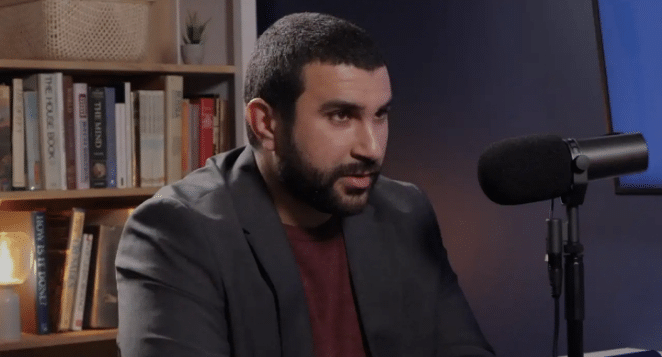
Hamdi’s case exemplifies how pro-Palestinian voices are particularly vulnerable under current immigration and political climates, emphasizing the need for robust protections for journalists abroad.
The story concludes with recognition of the power of advocacy, legal strategy, and public pressure in defending fundamental freedoms against misuse of administrative powers.
About The Author