British prisoner repatriation has become a renewed point of global attention, after a British grandmother long confined on Bali’s death row stepped onto a flight heading home.
Diplomats describe the decision as a late act of mercy, but activists insist it reflects deeper geopolitical pragmatism, disguised as humanitarian grounds in polite language.
For Lindsay Sandiford, 69, the moment marked the end of a long stretch inside Kerobokan’s bleak walls, haunted by the terror of looming execution.
Her story, woven into the harsher edges of Indonesia drug laws, intertwines a personal tragedy with a state wielding capital punishment as a warning to traffickers.
Officials in Jakarta publicly framed the transfer as routine cooperation, yet insiders say months of deliberate consular negotiations pushed the agreement toward completion.
She left Indonesia covered by a veil and silence, preserving dignity after years of international cameras reducing her existence to spectacle and condemnation.

Sandiford admitted trafficking cocaine worth millions, but she insisted violent coercion and threats to her family forced her into the devastating illegal mission.
“People think they know everything,” a rights campaigner remarked in London, “but cases like hers hold layers of fear, coercion, and desperate vulnerability.”
Her departure was paired with fellow prisoner Shahab Shahabadi, a younger convict from a separate smuggling case who also suffered deteriorating physical and mental health.
Both rode together onto a Qatar Airways aircraft, symbolising a policy shift where Indonesia increasingly prefers deportation over showpiece executions of foreigners.
The death penalty debate continues to divide Indonesian society, where government leaders argue harsh sentences resist the flood of narcotics threatening young populations.
But critics condemn firing squads as relics of authoritarian brutality, incapable of delivering justice or deterring criminal networks exploiting human desperation.
President Prabowo Subianto’s administration, facing regional diplomatic pressure, has recalibrated the tone on punishment without abandoning the authority of harsh sentencing.
Observers trace this trend to a growing belief that international reputation has material consequences for investment, tourism, and soft power influence.
Meanwhile, British prisoner repatriation invites domestic questions: Should the United Kingdom assume responsibility for sentences originally designed as ultimate deterrence abroad?
Officials insist the legal status of both returnees remains unchanged, stressing respect for sovereignty while shifting humanitarian grounds for their ongoing detention.
This careful phrasing aims to avoid accusations that Britain has interfered with another nation’s sovereign criminal justice system for political convenience.
Upon arrival, priority health assessments will determine how the pair transition into controlled environments where treatment and surveillance coexist.
Some lawmakers warn such returns should not be misread as forgiveness, emphasising that rehabilitation must accompany the consequences of their convictions.
Yet support groups note that prison conditions in Indonesia can hasten physical decline, making transfers morally urgent regardless of crimes committed.
As one legal advocate put it: “Compassion does not erase accountability. It ensures accountability does not erase humanity in return.”
Sandiford spent over a decade marked by chronic illness and isolation, far from family, as courts repeatedly upheld a sentence she feared daily.
The long wait created psychological torture, campaigners argue, because executions often strike unpredictably, transforming time itself into a weapon.
Her case ignited years of coverage in British media, often fuelled by polarised narratives that admired or condemned her without nuance.
Some insisted she knowingly gambled with life, while others highlighted the vulnerability of a mother allegedly blackmailed by organised criminal networks.
Like many convicts, Shahabadi’s name barely surfaced until now, showing how unequal attention shapes public judgments on who deserves sympathy.
Indonesia drug laws are widely known as some of the harshest globally, particularly in Bali where tourism masks intense anti-narcotics policing.
Foreigners are targeted aggressively, authorities argue, because smuggling rings manipulate vacation hotspots to mask transnational trafficking operations.
Australia once grappled with identical dilemmas when its citizens faced execution, sparking diplomatic standoffs and continental outrage.
That experience influenced how Indonesia responds today, wary of letting international fury overshadow domestic political narratives.
British prisoner repatriation therefore symbolizes more than two flights home — it reflects contested ideas of sovereignty, justice, and mercy.
Diplomats claim success through quiet persistence rather than threats, building trust that executions would damage bilateral harmony unnecessarily.
For the prisoners, the UK becomes both salvation and another stage of punishment, since the legal burden shadowing them now shifts jurisdiction.
Sandiford’s lawyers say her health situation alone justifies the transfer, with reports suggesting severe conditions requiring urgent treatment.
Human rights groups welcomed the move while urging more consistent compassion for hundreds of foreigners still awaiting uncertain fates.
They stress that clemency should not belong only to those whose stories attract international attention or diplomatic convenience.
KontraS, a leading Indonesian rights organisation, recently noted almost 600 death row inmates survive day to day beneath execution’s threat.
Among them, around 90 foreigners live in limbo, deprived of certainty whether time provides reprieve or seals a countdown to death.
Families cling to hope each year will bring reform, while courts maintain that justice must satisfy the nation’s fight against narcotics.
For Britain, this moment renews global leadership expectations in shaping humane responses to international criminal punishment.
It compels deeper scrutiny of how repatriation agreements function and why some succeed while others languish for years unresolved.
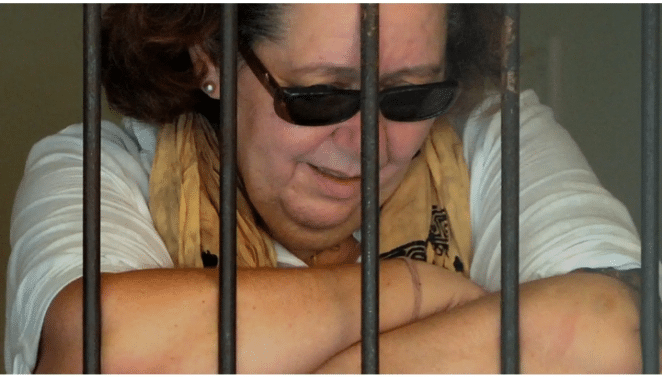
Sandiford’s future in British custody remains uncertain, but access to care and proximity to loved ones may restore dignity once lost.
The resonance of her case will endure beyond headlines, reminding societies that even criminals remain human beings capable of suffering.
British prisoner repatriation is becoming an emblem of modern diplomacy, where compassion aligns with national interest instead of opposing it.
Governments increasingly recognise that cooperation on justice issues enhances broader strategic relationships difficult to quantify yet impossible to ignore.
As the flight descended into the UK, a chapter closed quietly, away from the cameras that once celebrated her downfall.
The road ahead still winds through legal processes, medical intervention, and attempts to rebuild a fragile emotional landscape fractured by prison years.
Yet every repatriation under humanitarian grounds reinforces the premise that punishment must never eclipse the state’s obligation to protect life.
The story of these two convicts reshapes how nations confront crime, deterrence, redemption, and the fragile politics of international punishment.
Their journey home marks an inflection point in the death penalty debate, forcing countries to ask whether irreversible justice equals true justice.
And whatever judgment the world preserves, one truth persists: mercy, when shown, carries more quiet strength than execution ever can.
About The Author