

Hungarian cinema legend
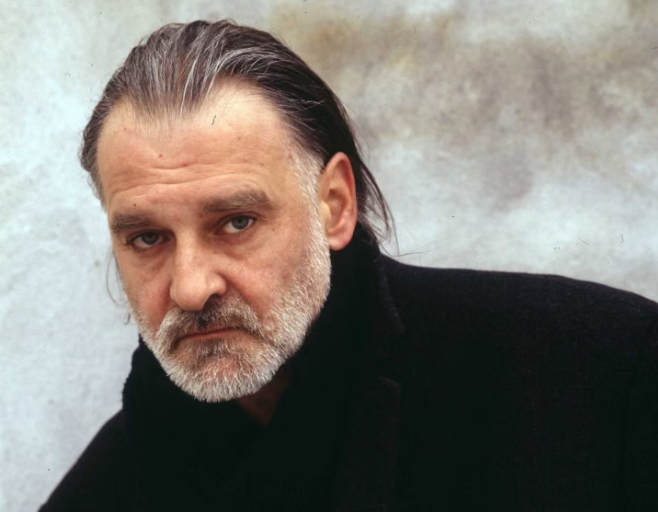
Béla Tarr, one of Europe’s most influential and unconventional film directors, has died at the age of 70 after a prolonged illness, according to Hungarian film authorities.
Widely regarded as a master of slow cinema, Tarr was known for creating demanding yet visually striking films that challenged traditional storytelling and audience expectations worldwide.
His death marks the end of an era for European art cinema, where his distinct style reshaped how time, movement, and human despair were portrayed onscreen.
Born in 1955 in Budapest, Tarr grew up in a creative household that exposed him early to theatre, performance, and visual storytelling through his parents’ artistic professions.
As a teenager, he began experimenting with filmmaking, producing short documentaries that reflected everyday Hungarian life under socialist rule with unfiltered realism and emotional weight.
Tarr made his feature film debut in 1979 with Family Nest, a stark drama examining Hungary’s housing crisis and social inequality through an intimate, documentary-inspired lens.
That early work established him as a bold realist filmmaker, committed to portraying life without embellishment, sentimentality, or commercial compromise.
However, his artistic direction shifted dramatically in the late 1980s, embracing a more symbolic, philosophical, and visually austere cinematic language.
The 1988 film Damnation marked this transformation, introducing long tracking shots, black-and-white cinematography, and a bleak atmosphere that became his defining signature.
The film also began his long creative partnership with writer László Krasznahorkai, whose novels heavily influenced Tarr’s later masterpieces.
Their most famous collaboration, Sátántangó, was released in 1994 and quickly gained mythic status in global film culture.
Running over seven hours, the film demanded extreme patience but rewarded viewers with hypnotic imagery and an uncompromising vision of societal collapse.
Despite its length and difficulty, Sátántangó is widely regarded as one of the greatest films ever made, studied extensively in film schools worldwide.
Tarr rejected claims that his work was purely pessimistic, often insisting that his films contained dark humor, irony, and moments of unexpected strength.
He argued that his films were misunderstood as bleak when they were instead reflections of endurance, resilience, and the human capacity to persist.
In later interviews, Tarr described his films as “comedies” in spirit, encouraging audiences to laugh at the absurdity of existence rather than surrender to despair.
International recognition expanded further with Werckmeister Harmonies in 2000, another adaptation of Krasznahorkai’s work that gained critical acclaim.
The film explored chaos, power, and collective hysteria through minimalist storytelling, reinforcing Tarr’s reputation as a philosophical filmmaker of rare discipline.
Shot in stark black and white, Werckmeister Harmonies featured long, unbroken takes that intensified its meditative pace and emotional gravity.
The film’s success allowed Tarr to work with internationally renowned actors and secure prominent festival screenings across Europe and beyond.
In 2007, he released The Man from London, a moody noir-inspired adaptation of a Georges Simenon novel starring acclaimed actress Tilda Swinton.
Though reactions were mixed, the film demonstrated Tarr’s continued commitment to artistic integrity over commercial appeal.
His final feature, The Turin Horse, was released in 2011 and depicted a father and daughter surviving harsh conditions in near-total isolation.
The film was widely interpreted as Tarr’s farewell to cinema, emphasizing exhaustion, repetition, and the crushing weight of everyday survival.
Following its release, Tarr announced his retirement from directing, stating that he had said everything he wanted to express through film.
He later focused on mentoring young filmmakers and nurturing independent cinema across Europe through educational initiatives.
In 2013, he co-founded an experimental film school in Sarajevo, offering students creative freedom outside conventional academic constraints.
Tarr was outspoken about political developments in Hungary, expressing discomfort with the country’s rightward shift and cultural restrictions.
He believed cinema should remain a space of liberation rather than propaganda or ideological conformity.
Tributes from filmmakers, critics, and cultural institutions poured in following news of his death.
Read also: Ayatollah Ali Khamenei may flee Iran for Moscow as protests threaten regime control
Many praised him as a fearless artist whose films demanded courage from both creator and audience.
European cinema leaders described him as a moral voice whose work remains urgently relevant in times of social uncertainty.
Despite their challenging nature, Tarr’s films continue to inspire generations of filmmakers seeking authenticity over spectacle.
His legacy endures through his uncompromising body of work and his influence on global art cinema.
Béla Tarr is survived by his family, collaborators, students, and countless admirers whose understanding of cinema he permanently transformed.
About The Author


