The Broadcasting Corporation of Oyo State (BCOS) Ibadan property scandal has ignited public concern in the state following allegations that government assets valued over ₦500 million were unlawfully, allegedly sold without due process.
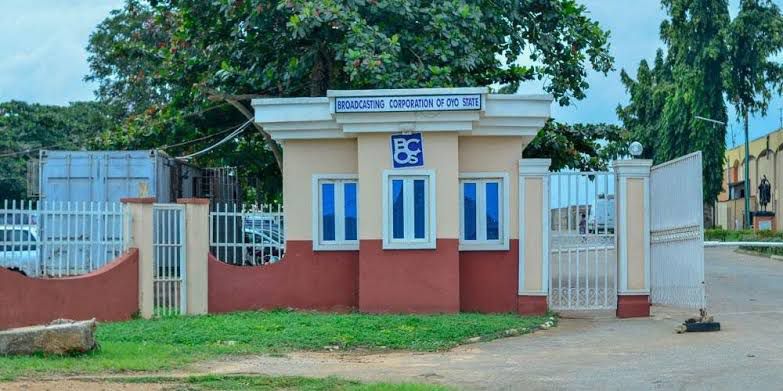
Reports suggest that senior management and members of the audit unit at the BCOS were involved in the transactions.
While investigations are ongoing and no convictions have been made, the claims have heightened calls for transparency and stronger institutional oversight.
Internal sources indicate that the alleged sales were coordinated by the Acting Director of Engineering, Engr. Abdul Azeez Munir Adekola, reportedly with support from senior staff.
The internal audit of BCOS has also been mentioned in connection with the claims. If verified, the BCOS Ibadan property scandal could represent one of the most serious breaches of accountability at the organisation in recent years.
Background Allegations
Whistleblower accounts suggest that critical BCOS engineering assets — including broadcast equipment, cameras, mattresses, a drum set, generators, and scrap materials from the Corporation’s stores — were unlawfully, allegedly sold without due process, bypassing proper authorisation or transparent bidding procedures.
Sources allege that the transactions were conducted quietly over time, raising serious concerns about internal controls. Observers are particularly troubled by the reported involvement of the audit unit, whose role is to safeguard public resources and ensure financial accountability.
The claims underscore what experts describe as a systemic failure of internal safeguards, which lies at the heart of the BCOS Ibadan property scandal. Civil society organisations are now demanding a fully independent investigation to establish the facts and recover any misappropriated assets.
Earlier Equipment Disposal Reports
This is not the first time BCOS has been linked to questionable asset disposals. Months before the current allegations, the organisation reportedly appeared in the news over claims that broadcast equipment worth millions of naira had been sold under unclear circumstances.
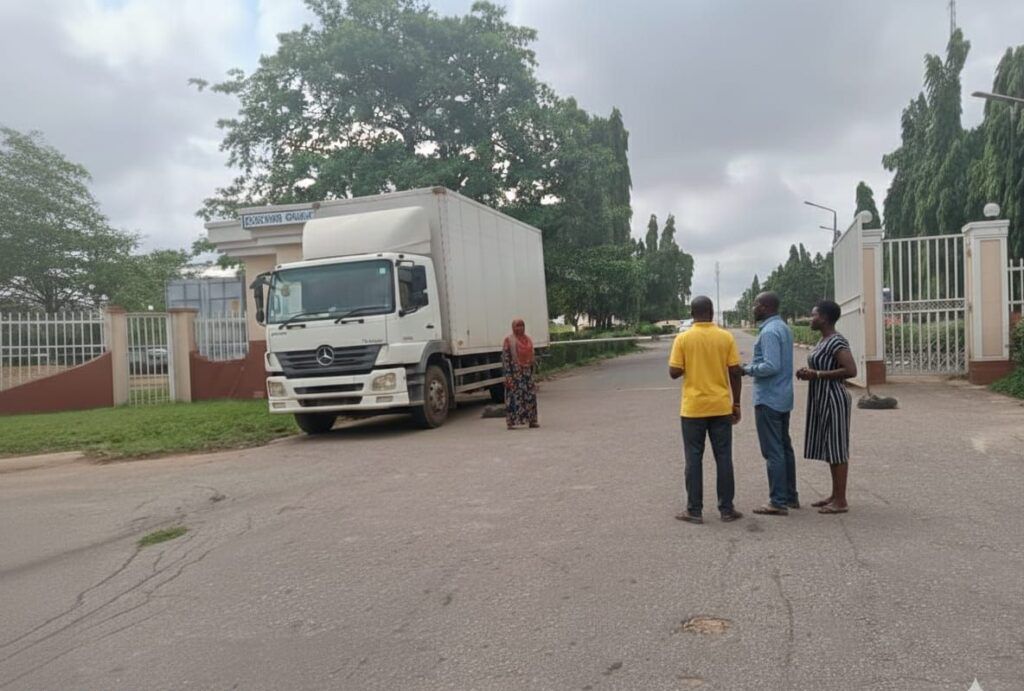
According to sources, that earlier disposal was allegedly supervised by Mr Akorede Morakinyo. While no public findings were released following that incident, critics argue that the lack of decisive corrective measures may have contributed to the current situation.
For many observers, the link between the two episodes suggests that the BCOS Ibadan property scandal may reflect a broader culture of weak oversight rather than an isolated lapse. Staff members reportedly raised concerns following the earlier event, but operational controls remained largely unchanged.
Scope of Losses
The value of the allegedly sold assets is estimated at over ₦500 million, though analysts believe the actual figure could rise once all transactions are reviewed.
These resources were acquired with taxpayer funds to support public broadcasting services across Oyo State. Their disappearance could reduce operational capacity, delay service delivery, and increase financial pressure on an already underfunded institution.
To many citizens, the BCOS Ibadan property scandal represents more than missing equipment; it signals a deeper culture of impunity that undermines trust in public institutions.
Community leaders warn that when government property is diverted, ordinary residents ultimately bear the cost through reduced services and stalled development.
Read also: Video: Gov Makinde cannot be blamed for BCOS struggles – Idris Animasaun
Makinde excludes Oyo owned media house, BCOS from statewide media chat.
Oversight and Accountability Gaps
One of the most concerning elements of the allegations is the reported coordination between operational managers and the audit unit. Auditors are supposed to act as independent watchdogs, ensuring compliance and flagging irregularities.
If the claims are confirmed, it would indicate a coordinated breakdown in accountability, with those entrusted to safeguard public resources allegedly facilitating their misuse.
Governance experts say the BCOS Ibadan property scandal mirrors wider challenges in Nigeria’s public sector, including weak enforcement frameworks and limited consequences for financial misconduct. They have called for:
- Immediate suspension of implicated officials pending investigation.
- Forensic audits of all recent asset disposals.
- Independent oversight by anti-corruption agencies.
Public Reaction
The public response has been swift. Nigerians have expressed outrage on social media, while advocacy groups have urged the Oyo State Government to establish an independent judicial panel to investigate and release findings publicly.
Trust in public institutions remains fragile, and incidents like the BCOS Ibadan property scandal deepen cynicism among citizens. Employees not implicated reportedly experience low morale and fear retaliation, highlighting the urgent need for stronger whistleblower protections.
Experts argue that transparency, asset registers, and digital tracking systems are critical tools to prevent such occurrences in the future.
Way Forward
Governance specialists have proposed immediate steps to restore confidence:
- Launch a fully independent investigation into all alleged asset sales.
- Temporarily remove implicated officials to allow a fair inquiry.
- Conduct a comprehensive verification and reconciliation of all assets.
- Strengthen audit independence and reporting structures.
- Publicly release the investigation outcomes and recovery plans.
Beyond BCOS, the case highlights the urgent need for reform across Nigeria’s public sector. Without robust systems and genuine accountability, scandals like the BCOS Ibadan property scandal are likely to recur.

Conclusion
While the allegations surrounding the BCOS Ibadan property scandal remain under investigation, they have already exposed critical governance gaps and serious questions about accountability.
Whether the full ₦500 million valuation is confirmed or not, the broader lesson is clear: public institutions must operate with transparency, integrity, and vigilance. Only decisive action and systemic reform can rebuild trust and prevent future misuse of public resources.
Citizens and oversight bodies alike are now watching closely, hoping that justice prevails and that government assets are finally treated as the collective property they are meant to be.
About The Author