Andrew Mountbatten Windsor will be stripped of his naval title, according to the UK defence secretary, who confirmed the decision reflects King Charles’s determination to end lingering royal controversies.
The announcement represents the latest in a series of actions aimed at distancing the monarchy from Andrew Mountbatten Windsor and his association with convicted sex offender Jeffrey Epstein.
Defence secretary John Healey confirmed on Sunday that Andrew Mountbatten Windsor’s honorary rank of vice-admiral, awarded in 2015, will be revoked following the king’s direct instruction to remove his remaining privileges.
Healey told the BBC’s Sunday with Laura Kuenssberg that the Ministry of Defence is working closely with Buckingham Palace to finalise the removal of Andrew Mountbatten Windsor’s naval status.
He added that the process was being “guided entirely by the king’s judgment,” and that government officials were ensuring the final decision would take effect before the year’s end.
“In defence, we have consistently followed the king’s lead,” Healey said. “Andrew Mountbatten Windsor will no longer hold the honorary title of vice-admiral once the process concludes.”
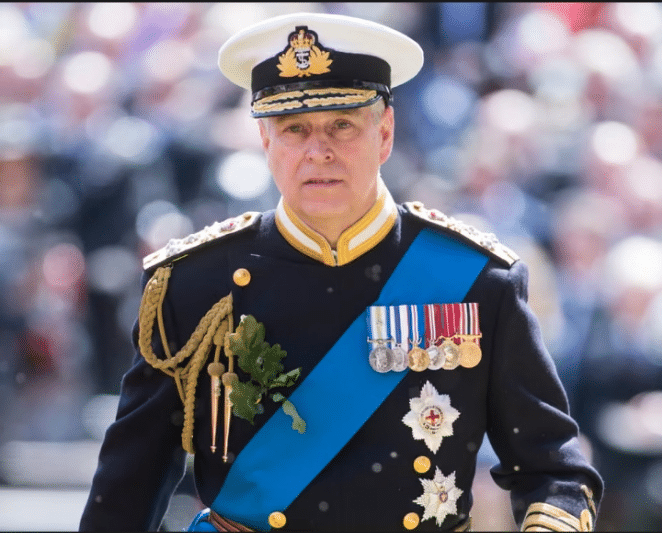
When questioned about possible withdrawal of his service medals, Healey clarified that medals were based on military service and not honorary appointments but said reviews remain ongoing.
He stressed that the government’s stance remains aligned with the palace, noting that all steps taken regarding Andrew Mountbatten Windsor are “in harmony with the king’s guidance.”
The latest decision follows a turbulent week for the former prince, after he was stripped of his royal title and told to vacate Royal Lodge, his longtime Windsor residence.
Buckingham Palace confirmed that Andrew Mountbatten Windsor’s dukedom had been abolished under royal prerogative, eliminating his titles of prince and Duke of York simultaneously.
The defence secretary’s announcement adds to the growing list of losses for Andrew Mountbatten Windsor, whose reputation has suffered from years of scrutiny and legal controversy.
Renewed focus on his relationship with Jeffrey Epstein intensified following publication of Virginia Giuffre’s memoir, where she accused Andrew Mountbatten Windsor of sexual abuse when she was seventeen.
Giuffre’s claims, which the former prince vehemently denies, have continued to cast a shadow over the royal family, prompting King Charles to act decisively to safeguard its reputation.
Andrew Mountbatten Windsor’s name resurfaced again this weekend after newly released 2010 emails revealed he maintained contact with Epstein even after the financier’s release from prison.
In one email, Andrew Mountbatten Windsor wrote to Epstein saying, “It would be good to catch up in person,” suggesting an intent to resume their association.
Epstein, convicted in 2009 for soliciting prostitution from a minor, later introduced the former duke to Jes Staley, a banker recently banned from the UK financial industry.
Andrew Mountbatten Windsor replied to Epstein’s correspondence stating he would meet Staley “on another trip,” reflecting his continued involvement with figures linked to the disgraced financier.
The revelations have reignited public criticism, raising questions about why Andrew Mountbatten Windsor retained certain honours long after other royal privileges had been rescinded.
For many Britons, the loss of his naval title signifies long-awaited accountability and a clear effort by the crown to close a deeply damaging chapter.
Andrew Mountbatten Windsor served in the Royal Navy for over twenty years, including combat service during the Falklands War, where he was praised for bravery as a helicopter pilot.
He rose to the honorary rank of vice-admiral in 2015, after retiring from active duty, but his association with Epstein tainted what was once a proud military legacy.
When Giuffre’s civil case emerged in New York, Andrew Mountbatten Windsor stepped back from royal duties and lost several patronages, though he retained his vice-admiral title.
The decision to strip that title now, Healey said, is “consistent with the government’s and the monarch’s shared understanding of duty, accountability, and public expectation.”
Reports indicate that Andrew Mountbatten Windsor’s annual naval pension—estimated at £20,000—remains his primary income, after the loss of all other official financial privileges.
King Charles has reportedly authorised a private stipend to prevent his brother from financial distress as he transitions to a life outside formal royal structures.
According to palace sources, the arrangement avoids the need for parliamentary intervention, relying solely on the king’s constitutional authority under royal prerogative powers.
The agreement includes a one-off six-figure payment to cover relocation expenses and to ensure Andrew Mountbatten Windsor can maintain his personal security arrangements privately.
Palace aides are said to be managing a delicate balance between compassion and consequence, ensuring the decision reinforces the monarchy’s moral and institutional credibility.
While the revocation of his naval title takes effect immediately, Andrew Mountbatten Windsor will remain at Royal Lodge until after Christmas, before moving to Sandringham.
His absence from the royal family’s holiday gathering will mark the first Christmas in decades where he is excluded from formal events as a private citizen.
Observers suggest this marks the symbolic end of Andrew Mountbatten Windsor’s public identity as a senior royal and his permanent transition to civilian life.
Royal historians believe King Charles’s decision underscores his determination to modernise the monarchy, separating personal loyalty from the institution’s moral obligations.
Dr. Stephen Huxley, a royal expert, said, “This is about restoring trust. Andrew Mountbatten Windsor’s continued presence as vice-admiral was incompatible with the new royal direction.”
Public reaction has been mixed, with some praising the firmness of the king’s stance, while others view it as belated given the scale of earlier allegations.
Media coverage has reignited debate over accountability among royals, raising broader questions about transparency and the institution’s ability to police itself independently.
Andrew Mountbatten Windsor’s supporters argue that despite personal mistakes, his decades of military service warrant respect, though even they accept the symbolism of losing the title.
Critics contend that public faith in the monarchy depends on decisive measures, making the removal of Andrew Mountbatten Windsor’s naval honour both necessary and overdue.
King Charles, determined to protect royal reputation, is said to view the matter as a line drawn between the crown’s values and individual conduct unbecoming of royal standing.
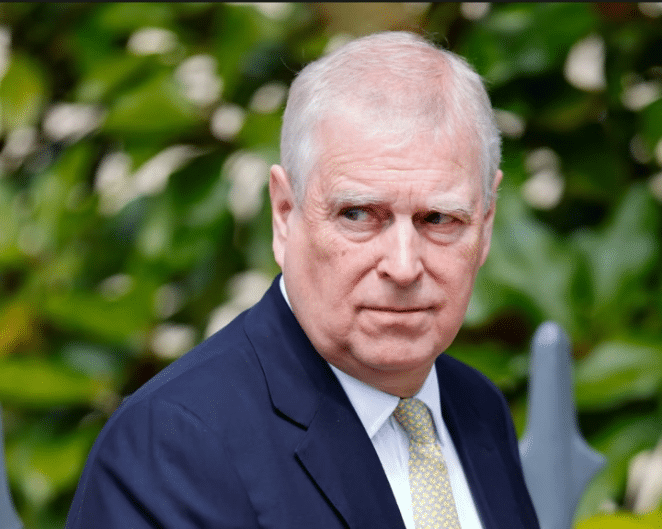
The ongoing process to erase Andrew Mountbatten Windsor’s remaining ceremonial ties signals that his return to public life is neither expected nor desired within palace circles.
For the Royal Navy, the move reinforces its commitment to integrity and honour, distancing itself from controversies inconsistent with military discipline and tradition.
The story of Andrew Mountbatten Windsor serves as a cautionary reminder of how personal associations can tarnish service legacies and strain public trust in revered institutions.
As the monarchy moves forward, the stripping of Andrew Mountbatten Windsor’s naval title stands as both a personal reckoning and an institutional reassertion of ethical boundaries.
Royal analysts conclude that this chapter, though painful, represents a turning point in the modern monarchy’s evolution—anchored on accountability, renewal, and restored moral authority.
Andrew Mountbatten Windsor’s fall from grace, once unimaginable, is now complete—a prince turned commoner, a vice-admiral no more, bound only by the consequences of his past.
,
About The Author