Five German mountaineers have died after being caught in a devastating Italy avalanche while scaling the icy slopes of the Ortles mountains in northern Italy on Saturday afternoon.
Authorities in South Tyrol confirmed that rescue operations concluded Sunday morning after crews discovered the final two bodies buried deep beneath compacted snow in a steep gully.
The five victims, all part of independent climbing groups, were struck by the avalanche while attempting a late-day ascent of Cima Vertana at more than 3,500 metres.
Local officials said the Italy avalanche occurred at around 4 p.m., an unusually late hour for summiting attempts, when snow stability typically weakens as temperatures shift rapidly.
According to the Alpine rescue team, two survivors were pulled from the snow and airlifted by helicopter to Bolzano Hospital suffering from severe hypothermia and shock.
Rescue spokesperson Federico Catania said search dogs and drones were used to locate the missing German mountaineers after poor visibility and worsening weather halted initial efforts.
He explained that rescuers faced extreme danger due to ongoing slides and high winds, forcing overnight pauses until conditions improved early Sunday morning.
Catania told reporters that the Alpine rescue team worked continuously for hours to recover all bodies before withdrawing from the site as further avalanches threatened personnel.
Officials revealed the victims included a father and his 17-year-old daughter, underscoring the enduring risks faced by enthusiasts drawn to the scenic yet unpredictable Ortles mountains.
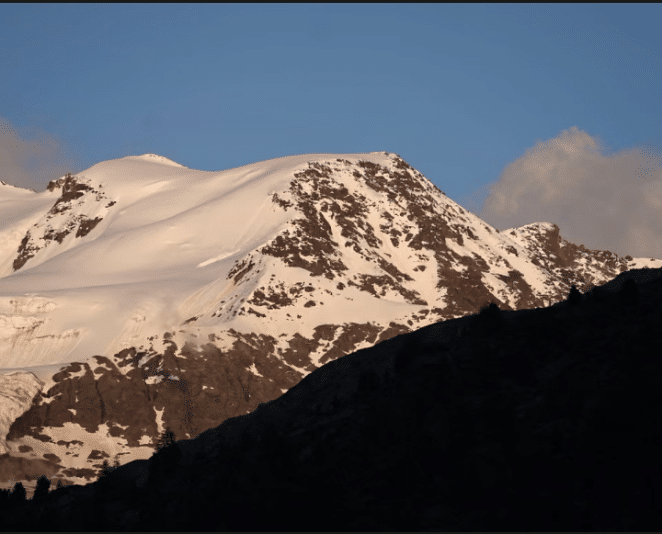
The tragedy has renewed debate about mountaineering safety in Europe, where climbers increasingly venture into backcountry terrain amid unpredictable climate patterns and heavier early-season snowfall.
Experts note that the Italy avalanche fits a concerning pattern of increased incidents linked to shifting weather cycles and changing snowpack stability in high-altitude environments.
Recent climate analyses show warmer daytime temperatures followed by rapid night freezes can create unstable snow layers, heightening risk for experienced and novice German mountaineers alike.
South Tyrol’s emergency agency recorded more than 60 avalanche rescues last year, a figure that continues to rise across Alpine regions as recreational mountaineering grows in popularity.
The Ortles mountains remain a major attraction for adventure tourists from Germany and Austria, famed for their challenging ascents and panoramic alpine scenery despite their hazards.
Local officials have repeatedly urged climbers to begin ascents earlier in the day and monitor avalanche bulletins issued by meteorological centres in Bolzano and Trentino.
The Alpine rescue team said safety advisories were circulated before the weekend warning of moderate to considerable avalanche risk following heavy mid-week snowfall.
Nevertheless, groups of German mountaineers and local guides still set out on Saturday morning, hoping to reach the summit before an approaching cold front brought further storms.
Authorities described the avalanche as fast-moving and wide, sweeping across several climbing routes and engulfing multiple rope parties within seconds of breaking loose.
Witnesses reported hearing a “deep thunder-like crack” echo through the valley before tons of snow cascaded down the upper ridge toward the climbers’ path.
As word spread of the disaster, helicopters, snowcats, and over 40 members of the Alpine rescue team mobilized from nearby Solda di Trafoi to the remote Ortles sector.
Local mayor Manfred Zischg expressed condolences to the victims’ families, calling it one of the darkest days in the region’s mountaineering history.
He emphasized that even well-equipped German mountaineers face serious peril when weather forecasts are ignored or underestimated during unstable early-winter conditions.
The Italian National Alpine Club announced plans to conduct a technical assessment of the slope to determine whether human factors or environmental instability triggered the Italy avalanche.
Investigators will analyze drone footage, witness accounts, and meteorological data to reconstruct the sequence of events that led to the sudden collapse of the snowpack.
Meanwhile, the tragedy has sparked renewed appeals for stricter guidelines on mountaineering safety in Europe, particularly around popular trans-Alpine routes frequented by cross-border climbing groups.
Experts argue that more investment is needed in avalanche forecasting systems and public education campaigns to reduce fatalities in regions like the Ortles mountains.
Environmental scientists have also pointed to glacier retreat and erratic precipitation as key contributors to unpredictable slide activity endangering German mountaineers and tourists.
Each year, Italy records one of the continent’s highest ten-year averages for avalanche-related deaths among major ski and climbing nations, despite improvements in rescue response.
In addition, researchers link rising participation in winter recreation and the appeal of untouched wilderness to the growing number of backcountry incidents across the Alps.
Veteran guides insist that enhanced preparation, avalanche-transceiver training, and cautious route planning are essential for ensuring mountaineering safety in Europe this winter season.
They urge all climbers, including foreign groups such as German mountaineers, to carry probes, shovels, and airbags while avoiding steep slopes after recent heavy snowfalls.
Following the accident, Italy’s civil protection agency warned travelers that storm fronts expected later this week may worsen avalanche conditions across the eastern Ortles mountains.
Rescuers will continue monitoring the area for additional slides while advising residents and hikers to remain alert and respect closure notices issued by local authorities.
The tragedy has also reignited discussions within the European Alpine Federation about standardized risk communication to promote consistent safety messages across borders.
Regional tourism boards fear the Italy avalanche could impact winter bookings but emphasize that regulated climbs and guided tours remain safe under professional supervision.
However, officials acknowledge that self-guided expeditions by experienced German mountaineers or solo adventurers often bypass safety protocols, increasing exposure to hidden hazards.
Environmental groups say the disaster serves as a grim reminder that climate variability demands adaptive strategies for future mountaineering safety in Europe.
As night fell on Sunday, rescue teams lowered flags at their Bolzano headquarters in memory of the five victims whose passion for adventure ended in tragedy.
Funeral arrangements for the deceased German mountaineers will be coordinated with local authorities in cooperation with the German consulate in Milan later this week.

The Alpine rescue team said it would review response timelines and communication systems to further enhance cross-border coordination for future emergencies in the Ortles mountains.
Despite the sorrow surrounding the event, officials hope the lessons learned from this Italy avalanche will strengthen awareness and encourage safer practices among climbers across Europe.
Ultimately, the deaths of the five German mountaineers underscore the fragile balance between human ambition and nature’s power that defines the enduring allure of high-altitude exploration.
About The Author