Amnesty war crimes probe calls surged worldwide after the organisation released new evidence detailing atrocities committed during the RSF attack on Zamzam camp, underscoring alarming patterns of escalating violence.
The latest findings place global pressure on Sudan’s warring factions, as human rights monitors warn that atrocities continue growing in scale, worsening the wider Sudan refugee crisis.
Amnesty’s investigation details eyewitness accounts describing terrified families fleeing burning shelters, gunmen firing recklessly at civilians, and widespread destruction consistent with systematic and deliberate targeting of unarmed populations.
One survivor said, “they came shooting without warning, forcing everyone to run,” offering a chilling glimpse into the terror that characterised the Zamzam camp assault earlier this year.
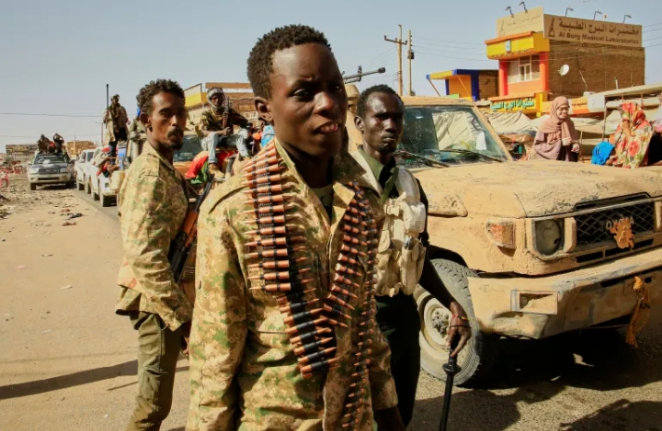
Humanitarian observers argue the RSF’s offensive formed part of a broader campaign aimed at instilling fear, displacing communities, and reinforcing territorial control over North Darfur’s most vulnerable areas.
Witnesses reported that RSF fighters roamed the camp’s residential zones, firing into homes and markets, contributing significantly to documented Darfur civilian killings that have shocked international audiences.
Satellite images analysed by Amnesty reveal multiple scorch marks, collapsed structures, and mass movement of people — patterns consistent with organised, widespread violence rather than isolated confrontations.
Residents described the chaos as overwhelming, saying, “You could not tell where the bullets came from,” illustrating the indiscriminate nature of the RSF attack across the congested settlement.
International legal experts argue this severity strengthens calls for an urgent Amnesty war crimes probe, with several institutions insisting the evidence meets thresholds for potential international prosecution.
The organisation found credible evidence of arson, looting, and targeted killings, supporting claims that serious violations occurred during the Zamzam camp assault, amplifying demands for accountability.
Humanitarian workers in nearby Tawila reported treating dozens of injured civilians, many suffering gunshot wounds sustained while fleeing, further adding weight to allegations of deliberate Darfur civilian killings.
Survivors recounted stories of families separated amid fighting, children running alone through smoke-filled pathways, and elders unable to escape the advancing fighters during the peak of violence.
Aid organisations warn that the Sudan refugee crisis worsened dramatically after the assault, with an estimated 400,000 people displaced within forty-eight hours following the attack’s escalation.
Several interviewees told Amnesty that RSF combatants stormed compounds in groups, shouting orders while firing extensively, leaving residents with no clear route of safety or protection.
One displaced mother recalled, “Everyone screamed at once. We held our children and ran,” describing the panic that engulfed households as bullets tore through the settlement.
Human rights experts say these testimonies offer critical insight into what may constitute war crimes, strengthening the argument for an independent and comprehensive Amnesty war crimes probe.
Further analysis shows RSF units targeted food stores, water sources, and medical tents, actions humanitarian groups deem deliberate attempts to sabotage survival infrastructure essential to displaced families.
Eyewitness accounts also reveal reports of sexual violence, with several women stating fighters threatened or assaulted them, adding another layer of brutality to the Zamzam camp assault.
Another survivor said, “We hid under broken walls until the noise stopped,” highlighting how civilians used makeshift barriers for protection during the unpredictable waves of gunfire.
Amnesty emphasised that such actions, if confirmed, would violate multiple international humanitarian laws, particularly those governing treatment of civilians during armed conflicts.
The RSF denies wrongdoing; however, the consistency of testimonies, imagery, and field data makes the allegations difficult to dismiss, especially given previous patterns of documented abuses.
Regional analysts argue the RSF attack signalled broader geopolitical shifts, as territorial gains in Darfur have emboldened the group while complicating efforts toward ceasefire or meaningful negotiation.
Local community leaders accuse both sides of prolonging the war for political leverage, leaving civilians trapped between military offensives, dwindling resources, and worsening humanitarian conditions.
International observers warn that unless accountability mechanisms advance, violence will continue expanding, intensifying the Sudan refugee crisis already described as one of the world’s worst.
Many displaced residents say their trust in authorities has collapsed, with one man stating, “No leader protects us. We’re alone,” reflecting widespread despair in Darfur communities.
Amnesty’s latest report lays out a detailed chronology of violence, documenting how shelling spread rapidly from outer zones into central civilian areas, leaving devastation across Zamzam camp.
Humanitarian agencies say continued displacement strains nearby towns, where shelters overflow, medical supplies run short, and food scarcity worsens as new arrivals arrive daily seeking refuge.
Analysts argue that despite widespread condemnation, meaningful intervention remains unlikely without diplomatic pressure from regional powers who continue holding significant influence over armed groups.
Experts note that calls for an Amnesty war crimes probe underscore the global community’s frustration with repeated failures to halt atrocities despite extensive monitoring and documentation.
Many fear worsening insecurity may lead to additional Darfur civilian killings as RSF units advance deeper into contested regions, where sparse oversight enables further violations.
Residents displaced by the Zamzam camp assault report losing homes, livestock, savings, and essential documents, rendering long-term recovery extremely difficult amid persistent instability.
A local teacher said, “We escaped with nothing except our clothes,” illustrating the level of loss endured by families uprooted during the rapid and violent attack.
Humanitarian groups continue urging safe corridors for civilians; however, ongoing clashes have made it nearly impossible to coordinate evacuations or distribute food consistently.
Amnesty’s report describes how survivors used narrow sand paths to flee toward Tawila, often under gunfire, leading to further casualties during the chaotic escape.
Multiple witnesses described scenes of smoke rising from burning shelters, some set ablaze intentionally, adding to the destruction characterising the RSF attack on the camp.
Satellite data captured scorched earth patterns matching witness accounts, reinforcing claims that fires were widespread and deliberately ignited during the operation.
Aid workers said many children arrived alone and traumatised, further illustrating how the Sudan refugee crisis has fractured families and exposed minors to extreme danger.
Several humanitarian volunteers said, “We can barely cope with the numbers,” reflecting how overwhelmed local support networks have become following mass displacement from Darfur.
International law experts argue sufficient evidence now exists to trigger international mechanisms capable of pursuing accountability, although political barriers continue slowing progress.
The United Nations has reiterated its concerns, noting the amplitude of allegations requires impartial scrutiny to determine responsibility and protect civilians from future violations.
Regional diplomats acknowledge that sustained violence threatens long-term stability, warning that unresolved atrocities risk deepening divisions and fuelling cycles of revenge-driven conflict.
Amnesty’s leadership stated, “Impunity must end now,” emphasising the need for swift action through the proposed Amnesty war crimes probe to establish justice mechanisms.
The organisation further stressed that accountability processes must be survivor-centred, ensuring testimonies drive pursuit of justice and reinforce protection for affected communities.
Field researchers noted patterns of violence in Zamzam resemble earlier incidents across Darfur, contributing to broader cases documenting widespread Darfur civilian killings.
Officials working near el-Fasher argue that the scale of destruction demonstrates high coordination, contradicting RSF claims of limited engagement or reactive defence operations.
Humanitarian monitors fear a continued increase in displacement could overwhelm international agencies already struggling to meet the escalating demands of the Sudan refugee crisis.
Survivors interviewed by Amnesty repeatedly expressed frustration that global powers have not intervened effectively, leaving them vulnerable to repeated assaults and deteriorating conditions.
The report emphasised that protecting civilians must remain the priority, with independent investigations essential for restoring stability and offering communities some measure of justice.

Ultimately, calls for an Amnesty war crimes probe highlight a pivotal moment in Sudan’s conflict, one in which accountability could determine whether violence continues unchecked.
Rights organisations argue that only transparent justice can end cycles of trauma and restore hope to civilians who have endured years of displacement, loss, and brutality.
Whether international actors respond effectively will shape the conflict’s future, influence regional stability, and determine the lasting legacy of the Zamzam camp assault.
About The Author