

Former Wales international Gareth Bale has revealed the reasons behind Alonso Real Madrid Exit, explaining that the coach struggled to manage the personalities and egos in the squad.
According to Bale, Alonso’s tactical ability was never the issue, but navigating the Real Madrid dressing room proved challenging and contributed to his early departure.
Bale described Alonso as an outstanding coach with exceptional understanding of the game, yet Real Madrid requires more than tactical expertise.
“He’s an incredible coach,” Bale told TNT Sports. “He’s won trophies at Bayer Leverkusen, coached teams superbly, but at Real Madrid, you don’t just need to coach, you need to manage the dressing room. You have to handle egos, personalities, and the pressure that comes with a club like this.”
Alonso’s departure came just seven months after his appointment as head coach. Club insiders reported that while Alonso implemented solid tactical plans, some players resisted his methods, leading to tensions.
Real Madrid, known for having some of the world’s top players, demands a balance between strategy and management of star players’ expectations.
Bale’s observations underline that a coach’s ability to command respect in a dressing room can be as important as formations or in-game adjustments.
Following Alonso’s exit, Alvaro Arbeloa was appointed as head coach.
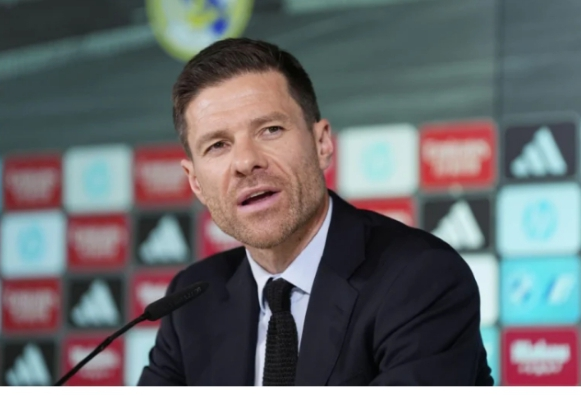
Arbeloa, who has managed Real Madrid B team since June 2025 and spent six years in the academy, brings deep knowledge of the club’s culture and younger players. Analysts suggest his promotion aims to restore harmony and manage the dressing room more effectively.
Arbeloa’s familiarity with the players and the club environment is expected to help Real Madrid regain stability after Alonso’s turbulent tenure.
Football experts point out that Alonso’s experience highlights a recurring issue for managers at elite clubs: tactical knowledge alone is not enough. Real Madrid’s squad includes players accustomed to celebrity status, extensive media attention, and high expectations.
Managers must navigate these dynamics carefully, balancing authority with diplomacy. Bale’s comments suggest Alonso excelled tactically but faced challenges managing the human elements that define a top-tier squad.
Several former teammates and colleagues praised Alonso’s coaching ability, emphasizing that his short spell at Real Madrid should not overshadow his achievements elsewhere.
At Bayer Leverkusen, Alonso demonstrated tactical brilliance and leadership, winning trophies and establishing a solid reputation. His challenges in Madrid, therefore, reflect the unique pressures of one of the world’s most scrutinized football clubs rather than a failure of coaching ability.
Bale’s remarks have sparked wider discussions about what it takes to succeed at Real Madrid. Many agree that technical skill must be paired with psychological insight and leadership skills.
At clubs with global superstars, managing egos, maintaining team cohesion, and motivating players are essential.
Failure in any of these areas can undermine even the most carefully designed tactical plans.
Observers note that Alonso’s case is a reminder for aspiring managers: top-level football is as much about people management as it is about tactics.
Superstars in the dressing room, media scrutiny, and fan expectations all demand a delicate balance of authority, diplomacy, and communication.
Alonso Real Madrid exit is now often cited as a modern example of how even world-class coaches can face unforeseen challenges when managing high-profile squads.
The appointment of Arbeloa is expected to bring renewed stability.
Analysts believe that his strong connections with younger players and familiarity with club culture will allow him to rebuild relationships and ensure the team functions smoothly.
Fans hope this transition will stabilize Real Madrid’s performance both in domestic competitions and in Europe, while maintaining a positive dressing room atmosphere.
Alonso’s tenure at Real Madrid also underscores the importance of adaptability. Modern football managers must adjust not only tactics but also leadership style to suit the personalities and expectations of the squad.
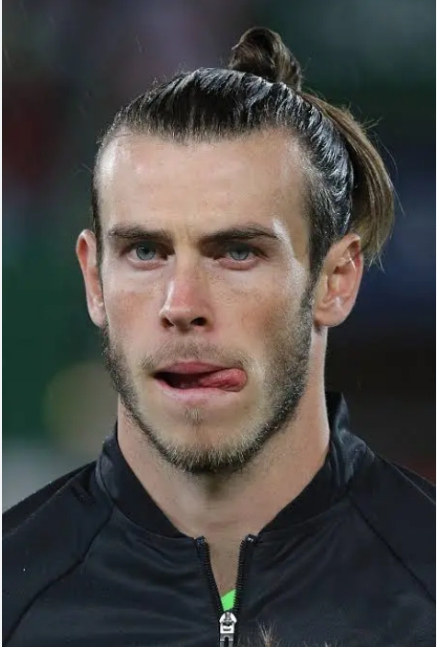
Bale emphasized that Real Madrid’s superstars can influence outcomes significantly, and managing these personalities requires skill beyond formations and match plans. This insight is critical for anyone looking to understand why Alonso’s tenure was shorter than expected.
In conclusion, Gareth Bale’s reflections provide a clear picture of why Alonso Real Madrid exit occurred. It wasn’t a lack of tactical knowledge but rather the challenge of handling a dressing room of elite players.
The situation highlights the modern realities of football management, where interpersonal skills, leadership, and team cohesion are as crucial as game strategy.
Real Madrid’s next chapter under Arbeloa will reveal whether the club can merge talent with discipline, ultimately achieving the stability that eluded Alonso during his tenure.
Read also: Dani Olmo Barcelona weapon: Hansi Flick’s most crucial attacking asset


