

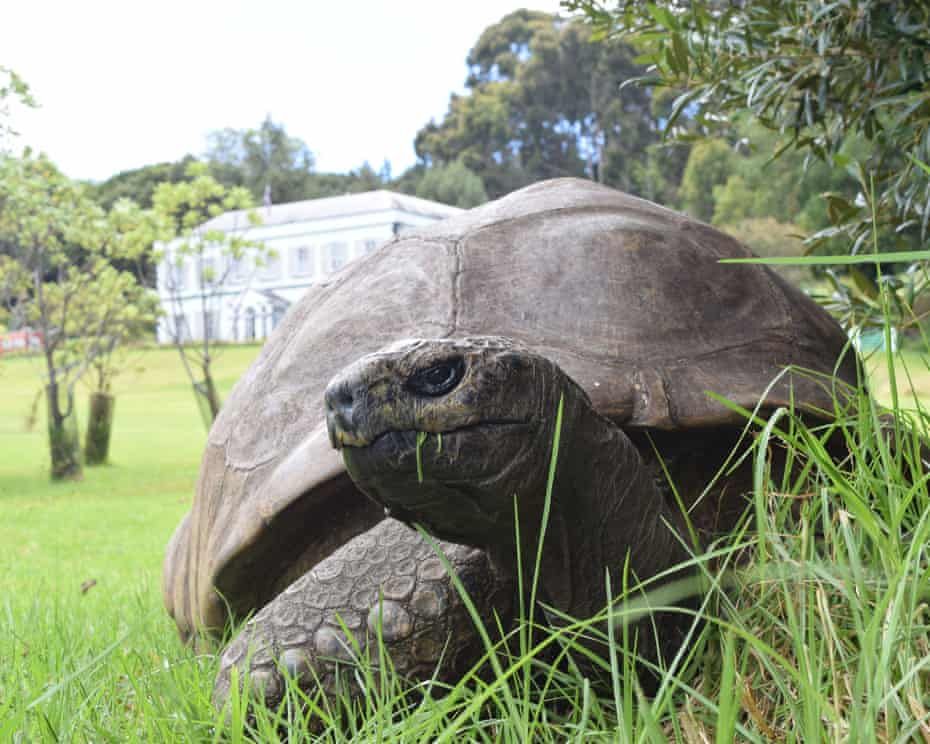
Jonathan crypto death scam shocked the world after a fake X account posing as his veterinarian falsely announced the death of Jonathan, the world’s oldest tortoise, soliciting cryptocurrency donations from unsuspecting supporters globally.
At 194 years old, Jonathan has lived through multiple generations and historical milestones, including the reign of Queen Victoria, yet his longevity made him vulnerable to online scams exploiting public fascination with extraordinary animals.
The fraudulent post, attributed to “Joe Hollins,” described Jonathan’s peaceful passing on Saint Helena, praising his resilience, legacy, and quiet wisdom, and encouraged followers to donate cryptocurrency under the guise of memorial support.
News outlets including the BBC, Daily Mail, and USA Today initially reported Jonathan’s death, amplifying the scam’s reach before retracting their stories after verification by local authorities and experts familiar with the tortoise.
The real veterinarian, who does not use X, confirmed Jonathan remains alive, calling the scam “a con” rather than an April Fool’s joke, highlighting the dangers of digital impersonation and the ease of deceiving international audiences.
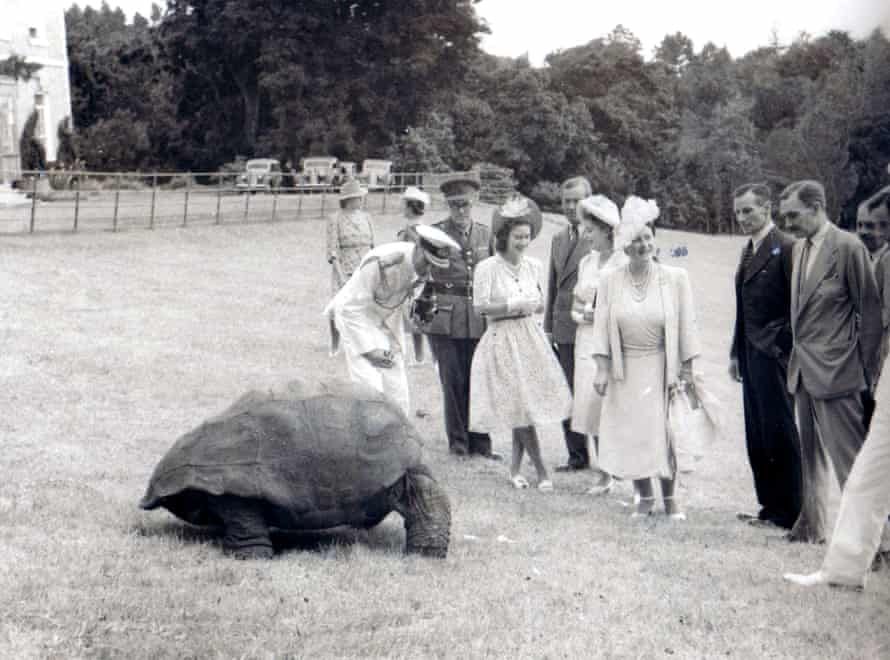
Governor Nigel Phillips of Saint Helena confirmed Jonathan’s well-being after personally checking on the tortoise following a surge of concerned messages, assuring the public that the animal was sleeping comfortably under a tree in the paddock.
Despite blindness from cataracts and loss of smell, Jonathan maintains strong health, a vigorous appetite for bananas, and attempts to mate with two younger tortoises residing on the governor’s property, reflecting remarkable vitality at an advanced age.
Jonathan has become a local celebrity, appearing on the reverse of Saint Helena’s 5p coin, symbolizing the island’s unique wildlife and attracting visitors fascinated by his extraordinary age and historical significance.
The fake X account responsible for the scam was traced to Brazil, confirming that the individual behind the impersonation was attempting to exploit Jonathan’s fame to solicit cryptocurrency from unsuspecting donors, a rising global trend in online fraud.
Authorities and local observers warned the public to verify sources before donating or sharing sensitive news, stressing that social media impersonation can rapidly mislead large audiences and create widespread panic regarding celebrity or animal deaths.
Jonathan’s story demonstrates how even animals with long-established public profiles are vulnerable to digital misinformation, as scammers manipulate sentiment and trust in viral platforms to exploit attention for financial gain.
The Saint Helena government continues to monitor social media for impersonations, emphasizing that no legitimate donations should be made online in Jonathan’s name, while encouraging users to report suspicious activity to authorities and cybersecurity agencies.
Experts in digital fraud note that such scams often leverage emotional responses and global fascination, illustrating how viral misinformation can impact charitable intentions and public perception, even when the subject is a non-human, historically significant figure.
Public reaction has ranged from amusement to concern, with many users sharing images and updates confirming Jonathan’s health, demonstrating the power of local verification in counteracting viral misinformation and protecting communities from online deception.
Jonathan remains a symbol of resilience and longevity, embodying both historical continuity and the challenges posed by digital fraud, while authorities work to prevent further misuse of his fame for financial scams or misleading narratives.
Read also:Zelenskyy to discuss Easter ceasefire with US negotiators
About The Author
