

Ukraine war briefing– President Volodymyr Zelenskyy proposed a Zelenskyy Easter truce to pause fighting, but Russia responded with a large-scale drone attack, striking western and central Ukraine and targeting energy infrastructure, postal facilities, and urban areas.
More than 700 Iranian-designed Shahed drones were launched by Russian forces, with attacks occurring during daytime hours, a rare escalation aimed at demonstrating military pressure while undermining Ukraine’s ceasefire initiative over Easter.
Zelenskyy said discussions with US mediators, including Steve Witkoff and Jared Kushner, had focused on securing a pause in hostilities and advancing diplomacy, emphasizing that a temporary silence could signal a path toward peace.
The Ukrainian president highlighted ongoing coordination with NATO and the US, noting that strengthening security guarantees was critical to any future peace deal, while rejecting Russian demands to cede eastern regions including Donbas.
Russian claims of full control over the Luhansk region were denied by Ukrainian officials, who said small areas remained under their control, challenging Moscow’s narrative and maintaining that reports of progress were often exaggerated for political gain.
Russia’s defence ministry described the capture of Luhansk as complete, but Ukrainian spokespersons confirmed the 3rd brigade still holds strategic positions, indicating that Russian statements may aim to pressure negotiators in Washington and undermine Ukraine’s leverage.
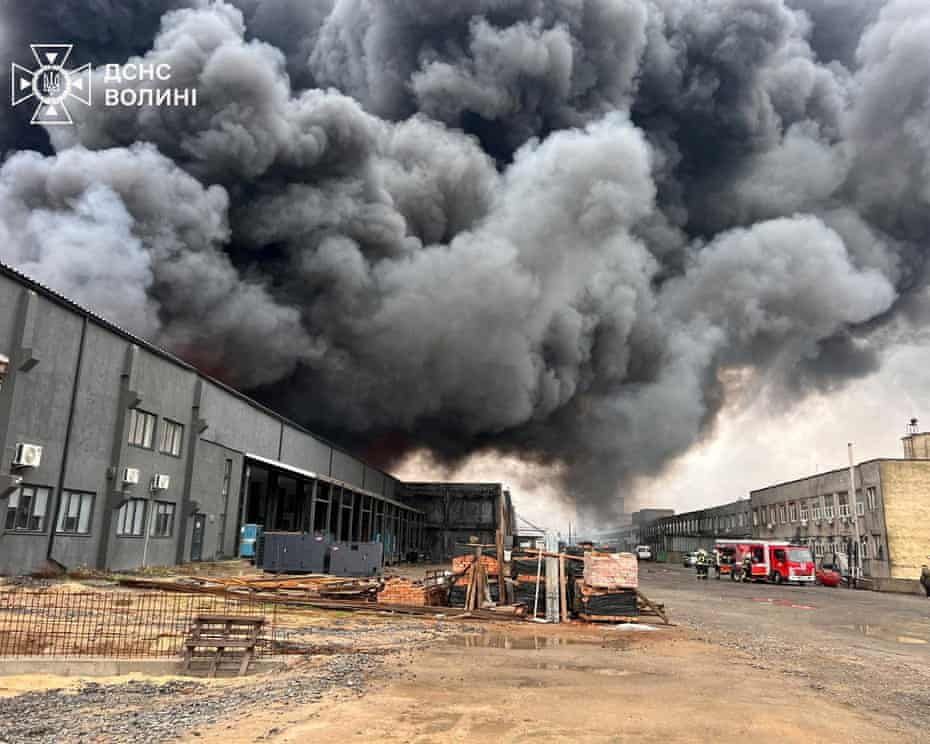
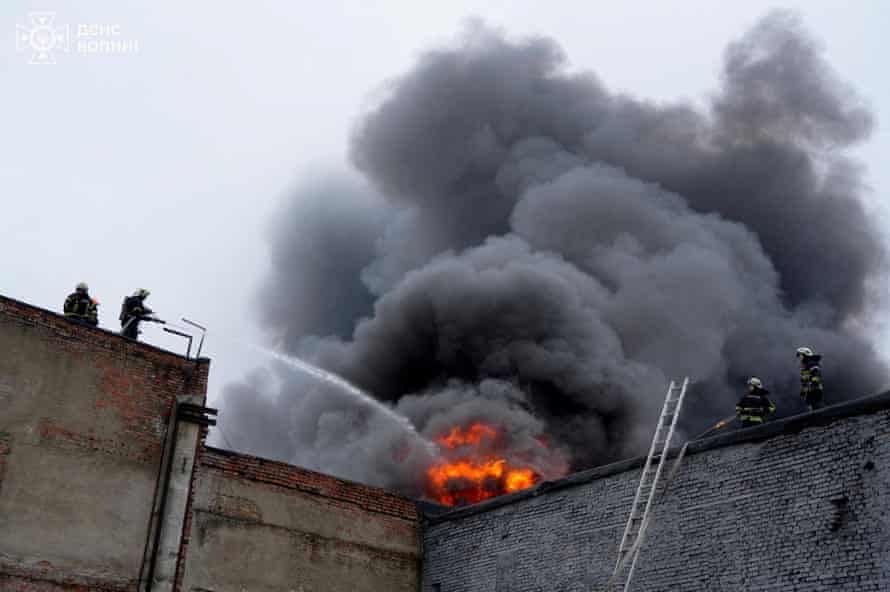
The drone strikes killed at least five people, including four in the Cherkasy region and one in Kherson, and caused extensive damage to warehouses and other infrastructure, with thick smoke rising from facilities such as Nova Poshta in Lutsk.
Ukraine reported that more than 360 additional drones were fired during the day following the overnight attacks, showing a coordinated strategy designed to maximize disruption to civilian life and energy networks across multiple regions.
Emergency services responded swiftly to drone strikes in Lutsk, extinguishing fires and assisting civilians, while local authorities urged residents to stay alert for further attacks and take shelter as air defense systems attempted interceptions.
Zelenskyy stressed that the drone attacks reflected a deliberate Russian strategy to maintain pressure and disrupt diplomatic initiatives, while also highlighting the importance of continued US mediation to prevent further escalation and loss of life.
The Easter truce proposal was described by Russia as a “PR stunt,” yet Zelenskyy insisted that such pauses could demonstrate the viability of diplomacy and create momentum for more structured negotiations with international oversight.
Negotiations with the US included talks on security guarantees, potential territorial compromises, and broader conditions for conflict resolution, with NATO secretary-general Mark Rutte joining remotely to monitor discussions amid persistent tensions with Moscow.
Ukraine continues to reject Russian demands to surrender eastern territories, maintaining that concessions would undermine sovereignty, while the drone attacks underscore the ongoing challenge of achieving any meaningful ceasefire in a conflict entering its 1,499th day.
Infrastructure damage remains significant, particularly to energy facilities and postal distribution centers, disrupting essential services for civilians and complicating logistics for humanitarian assistance and emergency response teams across multiple regions.
Local authorities and military officials have called for heightened vigilance as aftershocks from drone strikes continue, urging citizens to follow guidance from civil defense agencies and avoid public spaces vulnerable to further Russian aerial attacks.
Russia’s claims of military progress are closely scrutinized, with independent analysts warning that overstatements could be intended to pressure Ukrainian negotiators or influence international perceptions of the conflict’s trajectory and potential outcomes.
Zelenskyy emphasized that coordination with US mediators is essential to prevent escalation, maintain credibility in international negotiations, and ensure that civilian casualties and infrastructure damage are minimized while seeking pathways for durable peace.
The Ukrainian government continues to monitor drone threats closely, deploying countermeasures and bolstering air defenses to intercept attacks while maintaining communication with local populations about safety measures and evacuation protocols.
International observers note that the timing of the drone strikes during a proposed Easter truce demonstrates Russia’s strategic use of psychological and operational pressure to challenge Ukrainian initiatives and influence ongoing US-mediated negotiations.
Civilian areas hit by the strikes have faced temporary disruption, and emergency services continue recovery operations, including extinguishing fires, restoring communications, and assessing structural damage, underscoring the immediate human cost of continued conflict.
The Zelenskyy Easter truce proposal, despite Russia’s aggressive response, remains a central point in diplomacy, with Kyiv advocating for temporary halts in hostilities as a potential first step toward broader negotiations for lasting peace.
Read also:Russia claims full control of Luhansk region as Ukraine war intensifies across eastern frontlines
About The Author
