

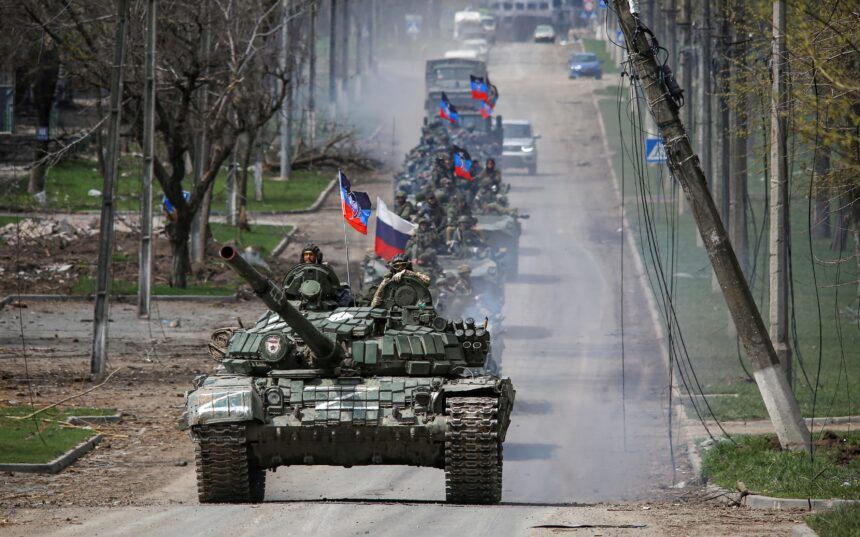
The Russia claims full control of Luhansk region announcement marks a significant development in the ongoing war, signalling a potential shift in battlefield dynamics across eastern Ukraine.
Moscow’s defence authorities declared that their forces had completed the capture of the region, framing it as a major strategic milestone in their broader military campaign.
The claim has not been immediately confirmed by Ukrainian officials, leaving uncertainty over the accuracy and extent of Russian territorial control on the ground.
The statement refers to one of the most contested areas within the wider Donbas region, a focal point since the conflict began.
Luhansk has long held symbolic and strategic importance, with much of its territory already under Russian influence prior to the latest announcement.
The development suggests that remaining pockets of resistance may have been overcome, though independent verification remains limited due to ongoing hostilities.
The announcement is likely to influence both military planning and diplomatic positioning in the coming weeks.
Control over Luhansk could allow Russian forces to consolidate their presence and redirect resources toward advancing in neighbouring areas, particularly Donetsk.
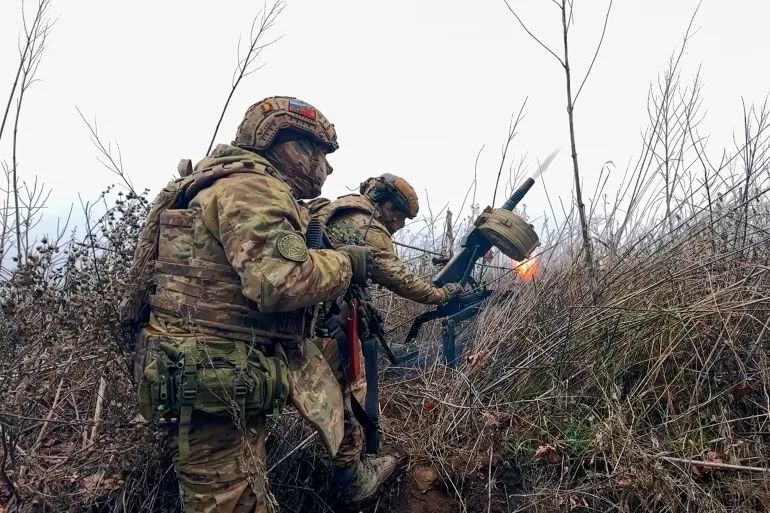
Analysts note that the broader Donbas region remains central to Moscow’s objectives, with continued pressure expected along multiple frontlines.
The announcement comes amid intensified combat operations, including widespread drone attacks targeting infrastructure and strategic locations across Ukraine.
Ukrainian officials have reported large-scale aerial assaults involving hundreds of drones, highlighting the evolving nature of modern warfare in the conflict.
These attacks have caused damage to civilian and industrial facilities, further complicating efforts to stabilise the situation and protect critical infrastructure.
The development coincides with increased cross-border incidents involving unmanned aerial systems.
Reports indicate that drones have entered the airspace of neighbouring countries, raising concerns about the conflict spilling beyond Ukraine’s borders.
Such incidents have prompted investigations and heightened security measures in affected regions, reflecting the broader risks associated with the war.
The escalation underscores the growing role of drone technology in shaping battlefield strategies and extending the reach of military operations.
The development also intersects with ongoing diplomatic efforts aimed at achieving a ceasefire.
Ukrainian leadership has expressed willingness to pursue negotiations but maintains that any agreement must respect current frontlines and national sovereignty.
At the same time, Russian officials continue to push for conditions that include territorial concessions, complicating prospects for a mutually acceptable settlement.
The divergence in positions has contributed to stalled negotiations, with both sides maintaining firm stances on key issues affecting the conflict’s resolution.
The claim may further harden these positions, reducing the likelihood of immediate diplomatic breakthroughs.
Military gains or perceived gains often influence negotiation leverage, shaping the terms each side is willing to consider in potential agreements.
Observers suggest that confirmation of full control could strengthen Russia’s bargaining position while increasing pressure on Ukraine’s leadership.
However, uncertainty surrounding the claim means its actual impact on negotiations remains difficult to assess at this stage.
The development also has broader geopolitical implications beyond the immediate conflict zone.
International actors continue to monitor the situation closely, recognising its potential to affect regional stability and global security dynamics.
The war has already influenced alliances, defence strategies, and economic policies across multiple regions, particularly in Europe.
Energy markets and supply chains have also been affected, reflecting the interconnected nature of modern geopolitical conflicts.
The situation adds another layer of complexity to an already multifaceted crisis.
Humanitarian concerns remain a significant aspect of the situation, with ongoing fighting contributing to displacement and infrastructure damage.
Civilians in affected areas continue to face challenges related to safety, access to services, and economic stability.
Efforts to provide aid and support are ongoing, though they are often hindered by security risks and logistical constraints.
The claim may influence humanitarian operations, particularly in areas experiencing active combat or changing control.
Aid organisations must adapt quickly to shifting conditions, ensuring that assistance reaches those in need despite evolving circumstances.
The conflict’s duration and intensity have also placed strain on neighbouring countries managing refugee flows and security concerns.
The situation illustrates the broader human and political costs of prolonged warfare.
As the war continues, attention remains focused on both military developments and diplomatic efforts to bring about a resolution.
The interplay between battlefield dynamics and negotiation processes will likely determine the trajectory of the conflict in the coming months.
The announcement represents a potentially pivotal moment, though its full implications are yet to be understood.
Future developments will depend on verification of the claim, responses from Ukraine, and the evolving strategic decisions of both sides.
In this context, the issue remains a key factor shaping discussions around the conflict’s direction and eventual outcome.
Read also:Israeli death penalty law criticism mounts as UN Rights Chief warns of potential war crime
The situation continues to evolve rapidly, underscoring the uncertainty and complexity that define the ongoing war in eastern Ukraine.
About The Author
