

Israeli death penalty law criticism has surged after the UN human rights chief, Volker Türk, warned the legislation, targeting Palestinians exclusively, could constitute a war crime under international law obligations.
Passed by the Israeli Knesset, the new law allows executions for Palestinians convicted of terror charges, but exempts Jewish extremists, raising concerns of discrimination and violations of fundamental human rights globally.
Türk described the legislation as deeply concerning, noting its potential to undermine due process. International observers fear a two-tiered justice system, fueling accusations of apartheid-like legal structures in the West Bank.
European leaders joined the condemnation, with the EU calling the law a clear regression. Spain’s Prime Minister Pedro Sánchez criticized the law as asymmetric, punishing Palestinians but not Israelis committing similar acts.
Germany echoed the criticism, emphasizing that rejecting the death penalty is a core policy principle. Officials warned the law would apply primarily to Palestinians, heightening tensions and human rights violations.
The legislation mandates that Palestinians sentenced to death face restricted visitation and limited legal consultation via video link. Executions must occur within 90 days, intensifying concerns about rapid, unchecked enforcement.
Israel has historically applied the death penalty sparingly. Adolf Eichmann’s execution in 1962 remains the last instance, highlighting the stark departure this law represents in both scope and frequency.
Security Minister Itamar Ben-Gvir, a strong supporter, publicly symbolized the death penalty with a noose-shaped lapel pin, signaling ideological backing for swift, punitive justice against Palestinians accused of terrorism.
The Knesset’s security committee amended certain provisions, but military courts retain authority to hand down death sentences. The Defense Minister can offer opinions, removing prosecutorial discretion from sentencing decisions.
Human Rights Watch criticized the legislation, stating it entrenches discrimination, creates irreversible consequences, and accelerates executions, effectively undermining legal safeguards and fair trial standards for Palestinians in occupied territories.
Oxfam warned the law constitutes another violation of international law, targeting Palestinians while exacerbating existing humanitarian crises. Over 9,000 Palestinians remain in Israeli jails, many subjected to harsh conditions.
Legal challenges have already emerged. Israeli human rights organizations and parliamentarians petitioned the Supreme Court, arguing the law violates constitutional protections and establishes two unequal tracks of justice.
The Association for Civil Rights in Israel emphasized that the law’s dual-track system discriminates explicitly against Palestinians, undermining Israel’s legal legitimacy and escalating scrutiny from international courts and advocacy groups.
International media and human rights entities continue monitoring the law’s enforcement. Critics argue it could become a dangerous precedent for targeted capital punishment, exacerbating regional tensions and international diplomatic pressure.
The law’s supporters argue national security justifies its enactment. Yet, experts insist that using capital punishment selectively creates injustice, eroding confidence in military courts and violating international human rights norms.
Military courts in the occupied West Bank would implement the law, granting judges authority without unanimous votes. Defense counsel and oversight remain limited, generating serious concerns about impartiality and procedural fairness.
Critics stress that the law undermines Israel’s international standing. It highlights disparities in accountability between Palestinians and Israelis, challenging claims of adherence to international law, including the right to life.
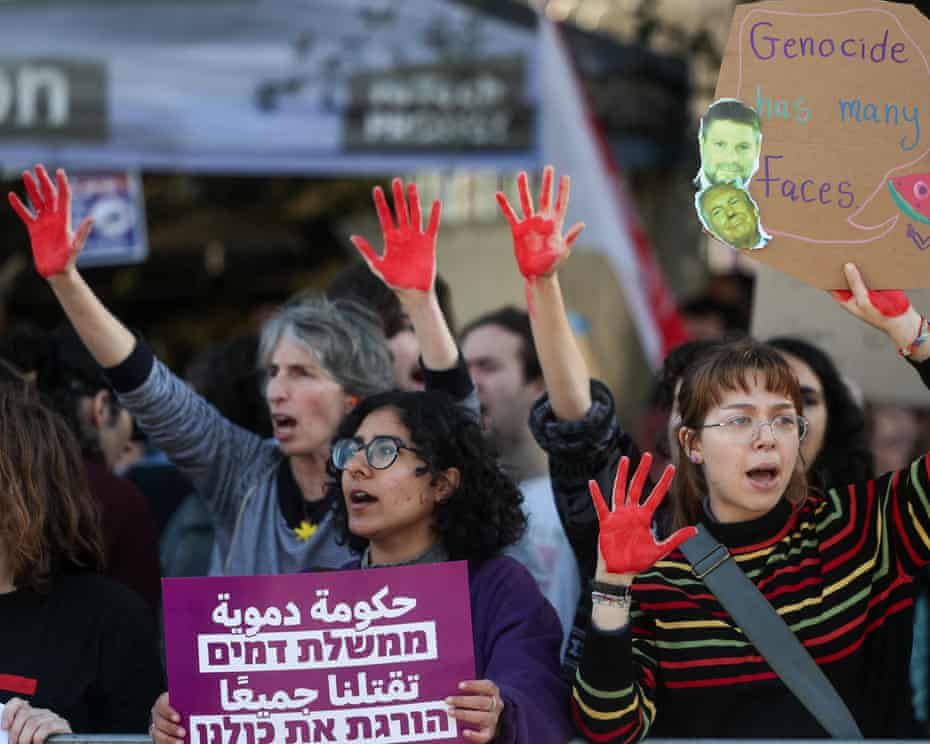
The bill has prompted widespread protests and advocacy campaigns. Palestinians, human rights defenders, and global leaders have called for immediate repeal, warning of escalating violence and potential violations of Geneva Conventions.
Executions, if carried out, would mark a stark shift in Israel’s legal history. Observers note potential long-term repercussions, including retaliation, increased unrest, and challenges in negotiations with Palestinian authorities.
While proponents frame the law as a counterterrorism tool, opposition groups argue it institutionalizes discrimination, bypassing judicial safeguards, and exacerbates international criticism regarding Israel’s treatment of Palestinians in occupied regions.
The international community, including the UN and European governments, continues to urge Israel to reconsider. Persistent warnings emphasize that selective enforcement could amount to war crimes under global law.
Human rights organizations have documented prior abuses in military courts, citing limited appeal opportunities, coerced confessions, and swift sentencing, reinforcing concerns that this new law exacerbates systemic injustice.
Critics also highlight procedural issues: the law allows death sentences without prosecutor requests, effectively delegating life-and-death decisions to judges with minimal oversight or accountability for potential errors.
UN officials continue to monitor developments closely. Türk’s statements underscore that the law’s application in the occupied territories would constitute a war crime, intensifying calls for immediate legislative repeal.
Legal scholars warn that adoption of this law could affect Israel’s relations with allies, potentially triggering sanctions, diplomatic disputes, and weakening international support amid ongoing Middle East tensions.
Palestinians in detention face heightened vulnerability under the law. Execution protocols restrict access to family visits and legal counsel, further limiting avenues for appeal or intervention in capital cases.
The law’s critics insist that military courts, already criticized for bias, should not oversee death penalties. They advocate for independent judicial review to prevent disproportionate punishment based on ethnicity or nationality.
Global advocacy groups continue campaigns against the law, lobbying governments and international institutions. Public awareness aims to pressure Israel to align with human rights norms and prevent discriminatory enforcement.
Read also:Trump says US won’t reopen Strait of Hormuz as responsibility shifts to other nations
The legislation has sparked legal debates within Israel. Constitutional challenges claim it violates equality principles and creates a dual system targeting Palestinians, contradicting democratic values and international commitments.
In conclusion, Israeli death penalty law criticism continues to mount. International pressure, legal challenges, and human rights advocacy may influence future reforms, though tensions and disputes remain high across the occupied West Bank.
About The Author
