

WHO toxic cough syrups alert warns nations after deadly contamination discovered in India; global regulators urged to trace and remove unsafe syrups.
The World Health Organization (WHO) has issued a serious WHO toxic cough syrups alert, warning all countries to tighten surveillance following the discovery of toxic substances in children’s cough and cold syrups manufactured in India.

The alert, released on October 13, 2025, comes after India’s Central Drugs Standard Control Organization (CDSCO) confirmed that three cough syrups contained diethylene glycol (DEG), a poisonous chemical used in industrial processes. Laboratory tests revealed that DEG levels were nearly 500 times above the permissible limit, posing deadly risks to children who consumed the medicines.
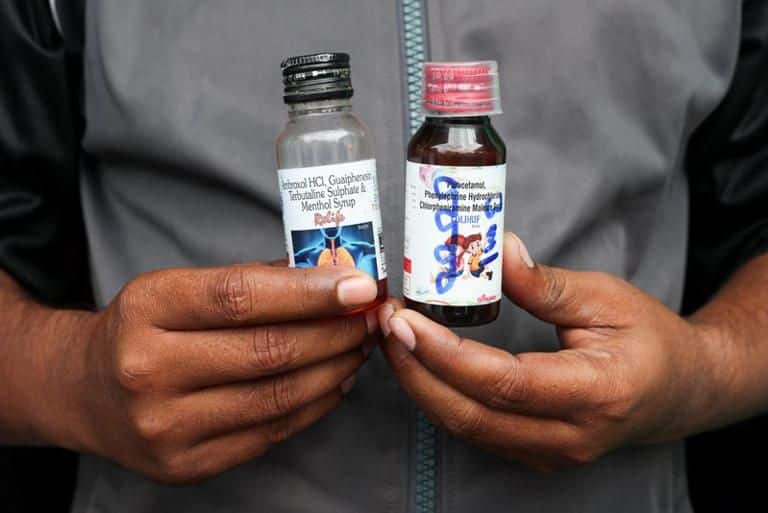
According to the WHO report, the affected syrups are:
Coldrif, produced by Sresan Pharmaceutical,
Respifresh TR, by Rednex Pharmaceuticals, and
ReLife, from Shape Pharma.
These products are commonly used to relieve symptoms of cold, flu, and cough but have now been declared substandard and unsafe. The Indian drug regulator reported that the syrups were consumed by several children under five in Chhindwara, Madhya Pradesh, many of whom later died after developing severe health complications.
The WHO toxic cough syrups alert classified the affected products as “substandard,” explaining that they failed to meet quality and safety standards. The agency warned that diethylene glycol is highly toxic and potentially fatal, even in small amounts.
“These contaminated products pose serious risks to patients and can cause life-threatening illnesses,” the WHO stated. “Diethylene glycol is toxic to humans and can be fatal when consumed.”
The organization stressed that the presence of DEG renders the syrups unsafe for any form of consumption, especially among young children with weaker immune systems.
In response to WHO’s findings, Indian authorities have suspended production at the implicated pharmaceutical companies and revoked their licenses. The CDSCO confirmed that none of the toxic syrups were exported from India and that recalls are underway to remove remaining stocks from local markets.
However, WHO urged all national regulatory authorities to remain vigilant and conduct targeted surveillance, particularly for any oral liquid medicines manufactured by these companies since December 2024.
Health officials in India are also investigating how diethylene glycol entered the production line, suspecting contamination from unapproved raw materials or inadequate quality checks.
Diethylene glycol (DEG) is a colorless, odorless liquid used in industrial applications such as antifreeze and brake fluid. It has no medicinal purpose and is highly poisonous when ingested.
WHO’s toxicology experts warn that DEG ingestion can cause:
Abdominal pain, vomiting, and diarrhoea
Headache and confusion
Inability to pass urine
Acute kidney failure
Neurological damage and death
Symptoms typically appear within hours and can worsen rapidly without treatment. Children are especially vulnerable, as small doses can cause fatal kidney or liver failure.
As part of its WHO toxic cough syrups alert, the organization issued strict guidance to both the public and healthcare workers:
“If you possess any of these products, do not use them,” WHO warned.
“If you or someone you know has taken these medicines and experienced side effects, seek immediate medical attention or contact a poison control centre.”
The agency further advised consumers to purchase medicines only from licensed and authorised suppliers. It encouraged healthcare providers to report any cases of adverse reactions or product detections to their national pharmacovigilance authorities.
Reports and additional information about the contaminated syrups can be sent directly to [email protected] for swift global coordination.
This WHO toxic cough syrups alert is the latest in a series of global warnings about contaminated medicines originating from parts of South Asia.
In recent years, similar incidents involving toxic cough syrups have led to hundreds of child deaths in The Gambia, Uzbekistan, and Cameroon, sparking international outrage and calls for stricter pharmaceutical oversight.
Health experts say the recurring problem exposes weaknesses in drug regulation, quality control, and raw material sourcing within some pharmaceutical industries. WHO’s Director of Health Product Policy, Dr. Mariângela Simão, emphasized that only stronger global collaboration can stop such tragedies.
“Every country must strengthen its post-market surveillance and hold manufacturers accountable for unsafe products,” she said.
WHO has urged all national authorities to take immediate preventive steps, including:
1. Conducting risk-based inspections of all local pharmaceutical factories.
2. Enforcing Good Manufacturing Practices (GMP) standards.
3. Testing syrup-based medicines for potential contamination.
4. Restricting imports of uncertified liquid medicines from high-risk facilities.
5. Promoting public awareness campaigns to discourage the use of unregistered drugs.
The organization also called for the creation of a global rapid alert system that connects drug regulators across countries to quickly flag unsafe medicines before they reach consumers.
The incident highlights a growing global crisis: the rise of substandard and falsified medicines, particularly in low- and middle-income nations.
WHO estimates that one in ten medical products in these regions fails to meet required safety standards, contributing to preventable deaths and loss of public trust.
Medical experts argue that the widespread availability of counterfeit or contaminated drugs undermines years of progress in global health. Poorly regulated manufacturing environments, weak enforcement, and the lure of profit are major contributors to the problem.
Health analysts believe that global cooperation is essential to restore confidence in the safety of medical products. Governments are urged to invest in pharmaceutical quality testing, traceability systems, and public education about verifying drug authenticity before use.
WHO maintains that preventing another WHO toxic cough syrups alert depends on transparency, accountability, and constant vigilance within the medical supply chain.
“No family should lose a child to a medicine that was meant to heal,” WHO emphasized.
“The world must act now to eliminate substandard drugs from our health systems.”
The WHO toxic cough syrups alert serves as a powerful reminder of the critical need for strict pharmaceutical regulation and cross-border cooperation.
While immediate recalls and surveillance are underway, WHO insists that this tragedy must lead to long-term reforms in drug safety and manufacturing oversight.
Until such measures are firmly in place, consumers are advised to remain cautious, verify the sources of their medicines, and promptly report any suspicious or harmful products to local health authorities.
With coordinated global action, the lessons from this tragedy could save countless lives in the years ahead.
More news at ireport247news


