

US storm cuts power and grounds flights across large parts of the United States as a massive winter system brings heavy snow, sleet, freezing rain and dangerously low temperatures to the eastern two-thirds of the country.
Hundreds of thousands of homes and businesses are without electricity while air travel has been severely disrupted, with thousands of flights cancelled ahead of worsening conditions.
The winter storm has left more than 700,000 customers without power, according to outage trackers, with the heaviest impacts reported in Tennessee, Mississippi, Louisiana and Texas.
Utility companies have struggled to keep up as ice accumulation and strong winds damage power lines and overwhelm repair crews, prompting emergency measures to stabilise regional electricity grids.
Weather forecasters have warned that snowfall totals could reach up to 18 inches in parts of New England, while significant ice accumulation is expected across the mid-Atlantic and southern states.
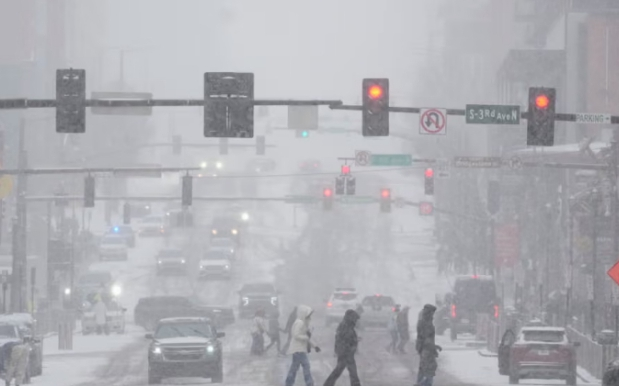
Freezing rain and sleet have created hazardous road conditions, forcing closures and increasing the risk of accidents as temperatures plunge well below seasonal norms.
Federal authorities have declared emergencies across more than a dozen states, allowing additional resources to be deployed to affected areas.
Officials have urged residents to limit travel, conserve heat and prepare for extended outages as bitterly cold air spreads from the southern plains to the north-east.
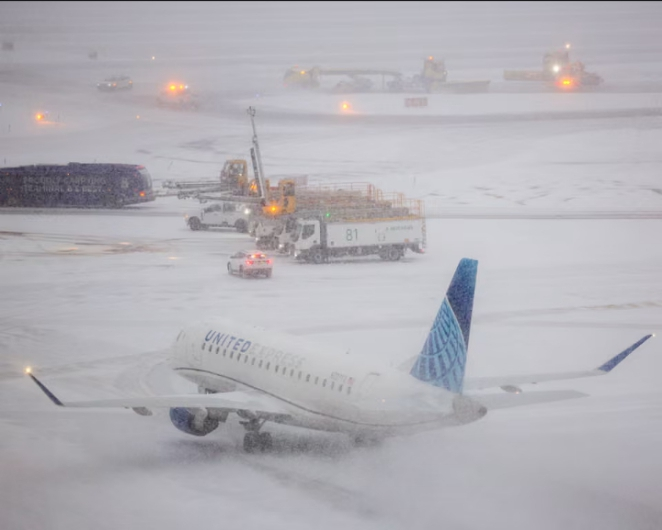
Air travel disruption has intensified as the storm moves eastward, with more than 9,600 flights cancelled on Sunday alone and thousands more grounded over the weekend.
Major airlines have warned passengers to expect further delays, citing aircraft de-icing requirements, airport closures and crew shortages caused by extreme weather.
Grid operators have taken extraordinary steps to avoid large-scale blackouts, including authorising the use of backup generation at critical facilities such as data centres and hospitals.
Energy officials said the storm’s size and duration pose a serious challenge to infrastructure, particularly in regions unaccustomed to prolonged freezing conditions.
Meteorologists have described the system as unusually expansive, warning that its effects will linger into the coming week.
Record-low temperatures and dangerous wind chills are forecast to spread deeper into the Great Plains, raising concerns about frostbite risks, strained heating supplies and further pressure on power networks.
Authorities continue to advise residents to stay indoors where possible, stock up on essentials and monitor local emergency updates as crews work to restore electricity and reopen transportation routes under treacherous conditions.
Emergency shelters have been opened in several states to support residents displaced by power outages or unsafe living conditions, particularly vulnerable populations such as the elderly and those without reliable heating.
Local governments have also coordinated warming centres to reduce the risk of cold-related illnesses.
Transportation officials warned that road conditions may deteriorate further as refreezing occurs overnight, increasing the likelihood of black ice even after snowfall tapers off. Drivers have been urged to avoid unnecessary travel and carry emergency supplies if journeys cannot be postponed.
Forecasters cautioned that climate variability is contributing to more frequent and intense winter weather events, increasing strain on infrastructure and emergency response systems.
As the storm continues its slow progression, officials remain focused on mitigating damage, restoring essential services and preventing further loss of life.
Read also: Gaza Tent Life: Between illness and daily despair
About The Author


