Nepal-Tibet Death Toll Rises To 750
The Nepal-Tibet death toll has climbed to 750 following catastrophic flooding across the Himalayan region, while more than 3,000 people remain missing amid difficult rescue operations.
Authorities said worsening weather and rising river levels have complicated efforts to locate survivors after devastating floods, mudslides, glacier collapse and massive debris flows struck communities.
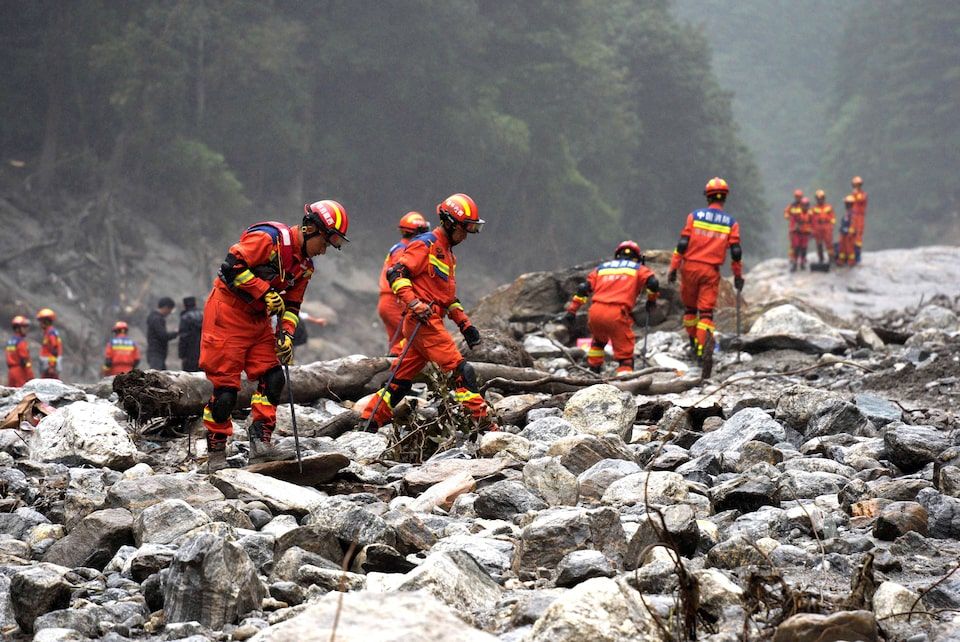
Rescue teams were forced to suspend operations several times because of dangerous weather conditions and fears that newly formed lakes could trigger further flooding downstream.
The disaster has become one of the region’s most severe cross-border emergencies in recent years, affecting communities in Nepal and China’s Tibet Autonomous Region.
Authorities have warned that continuing rainfall could further worsen conditions, forcing residents and rescue personnel near swollen rivers to seek safer and higher ground.
Thousands Still Missing After Himalayan Disaster
The latest Nepal-Tibet death toll includes 734 deaths reported in Nepal, while authorities in Tibet confirmed at least 16 fatalities in Gyirong County.
A total of 3,044 people remain missing across the affected regions, with Nepal accounting for 2,498 of those unaccounted for after the disaster.
Nepal’s disaster authority said more than 7,500 people had been rescued as emergency workers continued searching through destroyed settlements, river valleys and damaged infrastructure.
The scale of destruction has left rescuers confronting enormous logistical difficulties, particularly in remote mountainous areas where roads, bridges and communication networks have been severely damaged.
The Red Cross estimates that more than 90,000 people may have been affected by the disaster, highlighting the enormous humanitarian consequences of the Himalayan catastrophe.
Tunnel Rescue Operations Become Priority
Rescue efforts are increasingly focused on hundreds of people feared trapped inside tunnels connected to hydropower facilities following devastating torrents of ice, mud and rock.
The Himalayan flood disaster sent enormous volumes of debris crashing through river valleys, overwhelming infrastructure and leaving several tunnels inaccessible to emergency personnel.
Nepalese authorities have appealed for specialised assistance in tunnel rescue operations, forensic identification and other technical areas despite saying general international rescue assistance remains unnecessary.
Hundreds Feared Trapped Underground
Officials believe hundreds of people may still be trapped in hydropower tunnels after the powerful torrent swept through areas surrounding major energy infrastructure.

Indian and Chinese experts are assisting efforts to open blocked tunnels and reach possible survivors, as authorities attempt to overcome dangerous underground conditions.
Nepal’s Foreign Ministry said specialised assistance was needed for DNA testing, refrigerated storage of bodies and forensic identification of badly decomposed remains.
The request reflects the growing complexity of the rescue operation as emergency workers confront widespread destruction and the difficult task of identifying victims.
Authorities continue searching damaged tunnels while monitoring river levels and unstable mountain slopes capable of producing additional landslides or flash floods without warning.
Foreign Nationals Among Missing
The Himalayan flood disaster has also affected foreign nationals, with Chinese authorities reporting that 261 people from 23 countries remain missing on the Tibetan side.
Among those missing were 104 Nepalese citizens, 49 Indians, 33 Latvians, 18 Americans and 15 British nationals, according to officials.
China and Nepal are working together to identify missing citizens and foreign nationals while strengthening cooperation over disaster prevention, mitigation and climate-change response.
The international dimension of the tragedy has added pressure to rescue teams as governments attempt to determine the whereabouts of travellers and workers.
Officials have not ruled out the possibility that the number of casualties could increase as rescuers gain access to isolated communities and previously inaccessible disaster zones.
Rising Rivers Force Emergency Evacuations
Fresh rainfall caused water levels in Nepal’s Trishuli River to rise again, prompting residents and emergency workers to move towards higher ground.
The Nepal-Tibet death toll could rise further if renewed flooding strikes areas already devastated by the initial glacier-related collapse and subsequent mudslides.
Rescue operations have been repeatedly interrupted by bad weather, making it difficult to deploy helicopters and safely move personnel through mountainous terrain.
Emergency officials are also monitoring newly formed bodies of water created after landslides blocked river channels near the Nepal-China border.
Although one dangerous lake had largely drained by Saturday evening, authorities detected another landslide downstream, creating a fresh dam and another accumulating pool of water.
Climate Change Linked To Disaster
Chinese authorities have linked the Nepal-Tibet disaster to long-term climate change and increasing instability within Himalayan glaciers and frozen mountain environments.
State broadcaster CCTV reported that the disaster was caused by glacier instability associated with the long-term effects of global warming across the Tibetan Plateau.
Scientists described the event as an increasingly prominent feature of cryosphere disasters, referring to emergencies involving glaciers, snow, ice and frozen environments.
Glacier Collapse Triggered Massive Flooding
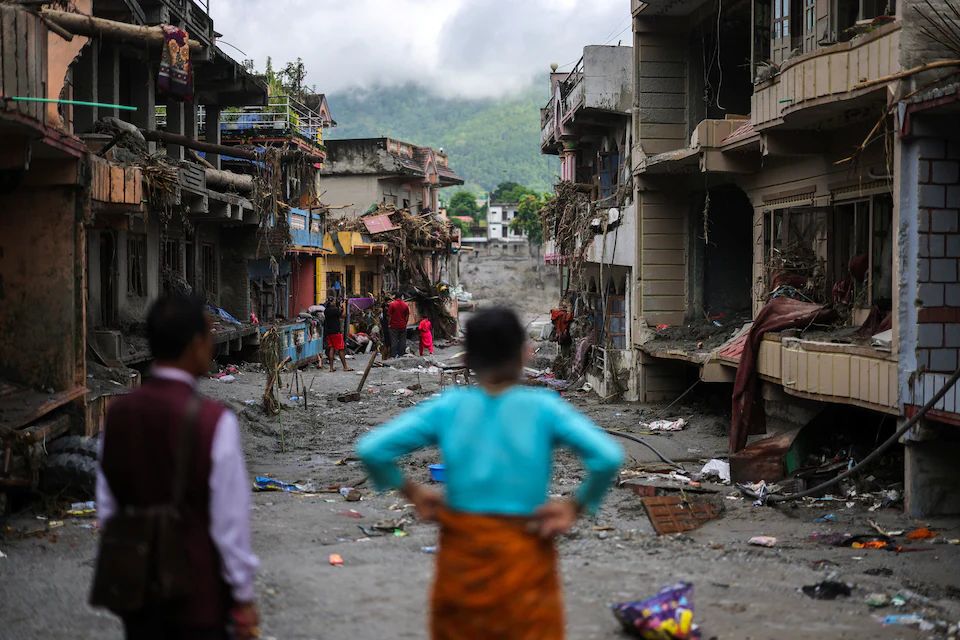
The devastating mudslide reportedly travelled from the Nepalese side towards the Gyirong border crossing within approximately six to seven minutes.
The speed of the disaster left little time for communities to escape as torrents of water, rocks, ice and mud engulfed buildings.
Dramatic surveillance footage showed people attempting to flee while enormous volumes of debris swept through populated areas and critical infrastructure.
The climate change Himalayan floods have renewed concerns about the vulnerability of mountain communities as rising temperatures contribute to glacier instability and extreme weather events.
Experts have increasingly warned that changes in the Himalayan cryosphere could create new risks for communities living near glaciers, rivers and steep mountain valleys.
China Mobilises Major Rescue Response
China has deployed more than 2,100 rescue workers and allocated at least 220 million yuan, approximately $32.7 million, towards emergency relief operations.
The Himalayan flood disaster has prompted extensive cooperation between China and Nepal as both countries attempt to locate survivors and prevent further catastrophe.
Chinese authorities are providing emergency cash assistance, relief supplies, satellite information, hydrological data and specialised tunnel rescue experts to support Nepal’s response.
Heavy-lift drones have also been deployed, while helicopters began delivering essential equipment and supplies to emergency workers operating near the border crossing.
Soldiers are using life-detection equipment, drones and advanced navigation systems to search areas where survivors could remain trapped beneath debris.
Rescue Operations Face Unprecedented Challenges
China’s Foreign Minister Wang Yi described the disaster as the most severe cross-border emergency experienced by Nepal and China in recent years.
He reportedly told Nepalese officials that the rescue operation faced unprecedented difficulty and complexity because of the mountainous terrain and continuing weather threats.
Authorities remain concerned about further landslides as unstable slopes continue threatening rescue teams and communities already devastated by the initial flooding.
The Nepal-Tibet death toll underscores the extraordinary scale of the disaster and the urgent need to locate thousands still missing.
Read also: Trump Venezuela oil agreement gives US majority control
With more rain expected and rivers remaining dangerously swollen, emergency teams face a race against time to reach survivors in isolated areas.
The coming days will be crucial as Nepal, China and international partners continue searching for the missing while attempting to prevent another devastating wave of flooding.
About The Author