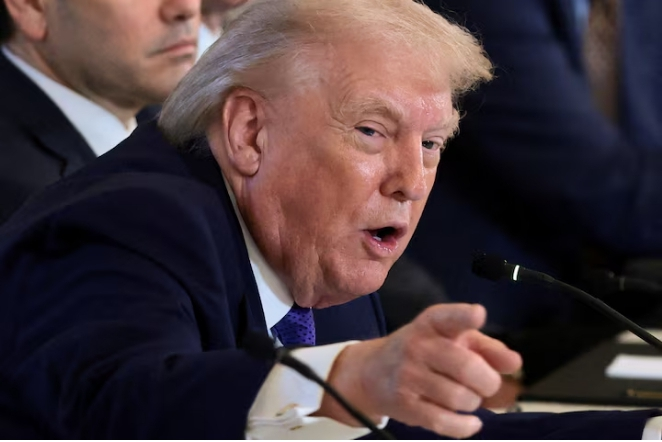
US Russia Davos talks dominated discussions as American and Russian envoys met in Switzerland, while a long-awaited Ukraine reconstruction agreement was unexpectedly postponed amid widening geopolitical tensions.
Held on the sidelines of the World Economic Forum, the US Russia Davos talks reflected renewed diplomatic engagement despite ongoing war, sanctions pressure, and unresolved mistrust between Washington, Moscow, and Kyiv.
Officials confirmed meetings involved senior envoys close to Donald Trump and Vladimir Putin, signalling cautious dialogue even as battlefield violence and political disputes continue reshaping global alliances.
According to Russian sources, discussions lasted several hours and were described as “very positive,” though no formal communique was released following the private exchanges in Davos.

The US Russia Davos talks coincided with plans to unveil a massive Ukraine reconstruction plan, reportedly valued near eight hundred billion dollars, aimed at rebuilding infrastructure devastated by war.
Those plans were abruptly delayed, with diplomats citing discomfort among allies over escalating Trump Greenland tensions affecting unity within NATO and transatlantic partnerships.
One European official said, “This is not the moment for grand ceremonies,” highlighting how diplomatic symbolism can collapse when alliances feel strained by unexpected territorial rhetoric.
Greenland emerged as an unlikely flashpoint after President Trump renewed assertions about acquiring the strategically located Arctic territory for what he described as security interests.
Danish and European leaders reacted sharply, stressing sovereignty principles, while concerns grew that such disputes could undermine collective focus on supporting Ukraine’s war effort.
Amid these disagreements, US Russia Davos talks proceeded quietly, underscoring how parallel diplomatic tracks can advance even when multilateral initiatives stall or lose momentum.
Kremlin spokesman Dmitry Peskov declined detailed comment, emphasizing instead Russia’s interest in understanding discussions between the United States, Europe, and Ukraine.
Russian media reported that US envoy Steve Witkoff and Trump adviser Jared Kushner participated, alongside Russian investment envoy Kirill Dmitriev, during the Davos engagements.
Witkoff later said dialogue was constructive, adding that communication channels remain essential despite deep differences over Ukraine, sanctions, and European security architecture.
Attention now shifts to a proposed Putin Witkoff meeting scheduled in Moscow, which the Kremlin confirmed appeared on President Putin’s official agenda this week.
That meeting is expected to include broader conversations with Ukrainian representatives, potentially reviving stalled proposals tied to security guarantees and economic recovery frameworks.
President Volodymyr Zelenskyy indicated he would only attend Davos if binding documents were ready, choosing instead to remain in Kyiv overseeing emergency response operations.
His decision reflected worsening conditions at home, as Ukraine energy attacks intensified during winter, leaving civilians struggling with power and water disruptions.
Russian missile and drone strikes have increasingly targeted substations, heating systems, and fuel depots, compounding humanitarian pressures during sub-zero temperatures nationwide.
NATO Secretary-General Mark Rutte warned allies not to allow political distractions to overshadow Ukraine’s urgent defense needs and long-term stability.
“The focus on Ukraine must remain the number one priority,” Rutte said, stressing that security in Europe and America remains inseparable from Ukraine’s survival.
He cautioned that delays in military support could leave Ukraine vulnerable, particularly lacking interceptors needed to counter relentless aerial bombardment.
Despite warnings, internal NATO disagreements linked to Trump Greenland tensions have complicated consensus-building around reconstruction financing and future guarantees.
The postponed Ukraine reconstruction plan was reportedly designed to mobilize public and private investment, restoring transport networks, housing, and energy systems.
Financial Times sources noted the plan was not abandoned entirely, suggesting signatures could still occur later under more favorable diplomatic circumstances.
For now, US Russia Davos talks highlight a paradox where bilateral engagement advances, while broader multilateral initiatives struggle amid political sensitivities.
On the ground, Ukrainian officials reported civilian casualties following overnight strikes in central regions, reinforcing the urgency behind delayed diplomatic efforts.
In Kryvyi Rih, authorities confirmed fatalities and injuries after combined missile and drone attacks damaged residential buildings and public infrastructure.
Elsewhere, drone debris reportedly exploded near a school in northern Ukraine, though no casualties were confirmed by emergency services.
Russia also accused Ukrainian drones of striking an oil refinery in southern Krasnodar, illustrating the conflict’s expanding cross-border dimensions.
Analysts say these exchanges underscore how battlefield realities shape diplomacy, influencing timing, tone, and trust among negotiating parties.
Within Davos halls, business leaders expressed concern that prolonged uncertainty could deter investment essential for Ukraine’s postwar recovery ambitions.
Some executives privately welcomed US Russia Davos talks, arguing that sustained dialogue reduces miscalculation risks in an increasingly polarized world.
Others warned that engagement without accountability could legitimize aggression, urging clear conditions tied to ceasefires and territorial integrity.
Public opinion remains divided, particularly in Europe, where voters balance war fatigue against moral and strategic commitments to Ukraine.
Meanwhile, Washington insists dialogue does not weaken support for Kyiv, framing talks as complementary to continued military and financial assistance.
Russian officials counter that engagement reflects recognition of Moscow’s enduring role in shaping European security outcomes.
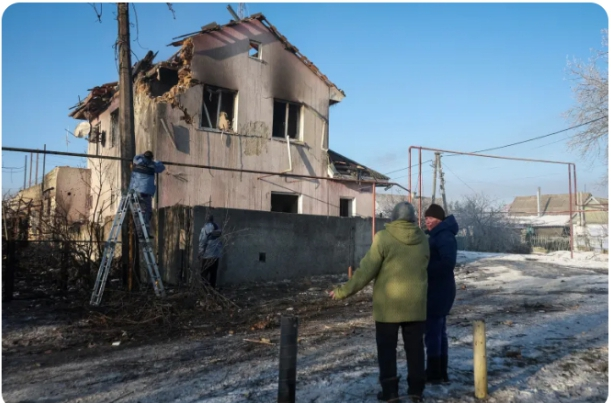
As winter deepens, Ukraine energy attacks continue testing civilian resilience, amplifying pressure on leaders to translate talks into tangible relief.
Zelenskyy reiterated that security guarantees must precede reconstruction, stating, “There can be no prosperity without safety for our people.”
His stance resonates domestically, where skepticism persists over promises not backed by enforceable international commitments.
For now, US Russia Davos talks remain exploratory, heavy on symbolism, light on concrete breakthroughs, yet watched closely across capitals worldwide.
Diplomats acknowledge that even limited communication can prevent escalation, especially amid overlapping crises from Ukraine to the Arctic.
Whether postponed agreements revive soon may depend on easing Trump Greenland tensions and restoring confidence among uneasy allies.
Until then, Ukraine’s fate remains entwined with diplomatic patience, battlefield endurance, and the fragile choreography of global power politics.
The coming weeks, including the anticipated Putin Witkoff meeting, may clarify whether dialogue can meaningfully shape the war’s next chapter.
As one observer noted, “Talks alone won’t rebuild cities, but silence guarantees nothing ever will.”
About The Author