Russia says the US seizure of Russia-flagged tanker violates international maritime law, escalating tensions between Moscow and Washington over maritime jurisdiction and freedom of navigation.
The Russian transport ministry accused the United States of breaching the 1982 UN Convention on the Law of the Sea through the interception of the tanker.
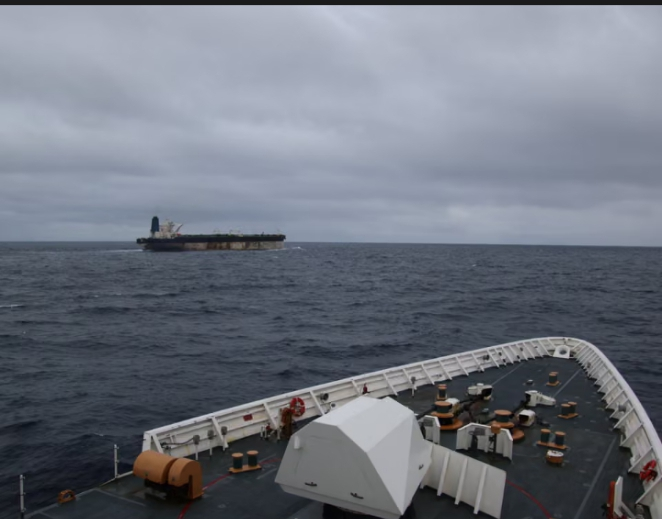
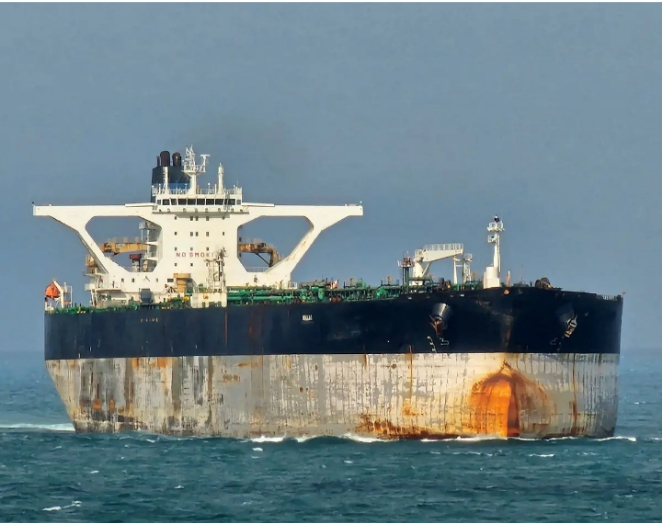
According to Moscow, the vessel Bella 1, also known as Marinera, was legally sailing under the Russian flag at the time of the seizure.
The ministry said the tanker had received a temporary permit to operate under Russian registration on December 24, validating its status under international maritime rules.
Russian officials stressed that no state has the legal authority to use force against ships properly registered under another country’s jurisdiction.
They warned that such actions undermine long-standing principles designed to ensure safe and predictable navigation across international waters.
The US seizure of Russia-flagged tanker has raised broader concerns about selective enforcement of maritime law during periods of heightened geopolitical rivalry.
Moscow argued that the seizure ignored established legal procedures for addressing disputes involving civilian vessels operating outside territorial waters.
Russian authorities said the tanker’s crew complied fully with maritime regulations and did not resist the interception by US forces.
They insisted the vessel posed no security threat and was not engaged in activities that would justify enforcement actions under international law.
The transport ministry said it had formally requested clarification from Washington through diplomatic channels following the incident.
Russian officials described the seizure as a dangerous precedent that could destabilize global shipping and increase risks for commercial operators.
They warned that unilateral actions against foreign-flagged vessels could encourage retaliatory measures by other states.
The UN Convention on the Law of the Sea is widely regarded as the cornerstone of international maritime governance.
It outlines the rights and responsibilities of states regarding navigation, resource use, and enforcement actions at sea.
Russia says the US seizure of Russia-flagged tanker contradicts the convention’s emphasis on peaceful dispute resolution.
Moscow argues that enforcement actions must be proportionate, justified, and consistent with agreed international legal frameworks.
The incident comes amid strained relations between Russia and the United States across diplomatic, military, and economic fronts.
Analysts say maritime disputes increasingly reflect broader geopolitical competition between major powers.
Shipping routes have become flashpoints as sanctions, inspections, and enforcement measures expand beyond traditional conflict zones.
Russia has repeatedly accused Western countries of applying international law selectively to advance political objectives.
The transport ministry said such practices erode trust in multilateral legal institutions governing global commons.
It warned that shipping companies could face increased uncertainty if flag-state protections are disregarded.
Industry groups closely monitor incidents involving tanker seizures due to their impact on insurance and operational costs.
Freedom of navigation remains a central concern for global trade, with most goods transported by sea.
Any perceived weakening of maritime law protections could disrupt supply chains and raise freight costs worldwide.
The Russian tanker Bella 1 was reportedly operating along established shipping routes when intercepted.
Russian officials maintain that the vessel’s documentation was valid and available for inspection if requested.
They said existing mechanisms allow states to raise concerns without resorting to forceful seizure.
Diplomatic engagement, Moscow argues, should remain the primary avenue for resolving maritime disagreements.
The US has not publicly provided detailed justification for the tanker’s seizure at the time of Russia’s statement.
Washington has previously defended maritime enforcement actions as necessary for sanctions compliance.
Russia counters that sanctions enforcement does not override international law governing navigation rights.
The transport ministry emphasized that international conventions are binding regardless of bilateral disputes.
It warned that ignoring these frameworks risks normalizing coercive behavior on the high seas.
Maritime experts say disputes involving tanker seizures have increased amid expanding economic restrictions.
Such incidents often trigger legal challenges and prolonged diplomatic negotiations between affected states.
Russia says it will continue to defend its shipping interests through international legal and diplomatic channels.
Officials reiterated Moscow’s commitment to freedom of navigation and established maritime conventions.
They urged all states to respect flag-state jurisdiction and avoid actions that could escalate tensions.
Read also: US considers military option in Greenland as Europe rejects Trump’s threats
The US seizure of Russia-flagged tanker has become a focal point in debates over maritime governance.
Observers say the outcome could influence future enforcement practices by powerful naval states.
For now, Russia insists that adherence to international law remains the only sustainable path forward.
About The Author