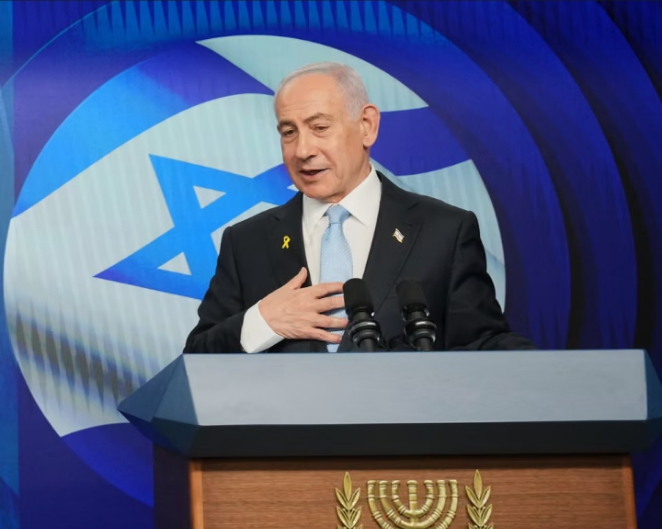
The possibility that the US may end support for Ukraine became more pronounced after Donald Trump Jr issued sharp criticism, suggesting Washington’s commitment could shift dramatically under new priorities.
He framed his remarks as a necessary recalibration, arguing that continued American involvement lacked strategic clarity, reinforcing claims circulating within circles advocating restrained engagement abroad amid evolving geopolitical realities.
Trump Jr insisted the Ukrainian leadership perpetuated the conflict for political survival, presenting President Volodymyr Zelenskyy as unwilling to face accountability that would emerge once wartime urgency eventually subsided nationwide.
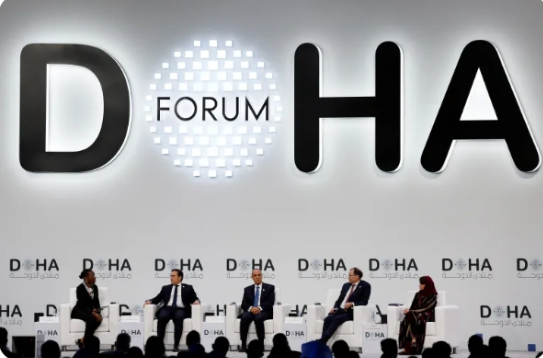
He accused Kyiv’s elite of fleeing the country, leaving ordinary citizens to shoulder the war’s burden, using these claims to argue corruption fundamentally undermined Ukraine’s governance structure.
The comments were delivered at the Doha Forum, where his tone reflected rising skepticism within the Maga movement regarding long-term foreign entanglements, especially regarding regions viewed as peripheral.
Observers noted his rhetoric echoed internal discussions promoting retrenchment, demonstrating how unofficial voices often forecast sentiments later influencing official positions, especially concerning controversial conflicts requiring extensive resources.
He claimed Ukraine was “far more corrupt than Russia,” attempting to reframe narratives about the conflict by emphasizing accusations that lacked verifiable evidence yet resonated with skeptical domestic audiences.
He dismissed Western portrayals of Zelenskyy as heroic, suggesting the Ukrainian leader’s popularity stemmed from ideological alignment rather than transparent evaluation, reinforcing narratives challenging traditional diplomatic consensus.
Trump Jr also criticized European responses, asserting sanctions failed to weaken Russia while causing energy disruptions, arguing poorly conceived strategies inadvertently strengthened Moscow’s resilience in ongoing hostilities.
He specifically attacked EU foreign policy chief Kaja Kallas, saying Europe had no realistic blueprint, instead waiting naively for Russia’s collapse, which he described as unrealistic wishful thinking.
He argued European nations underestimated Russia’s adaptive capacity, suggesting policymakers misunderstood the long-term durability of Russia’s wartime economy, especially given global markets’ unpredictable shifts affecting energy revenues.
Trump Jr pointed to rising oil prices as proof sanctions backfired, allowing Russia to finance continued aggression, reinforcing his belief Western strategies lacked coherence or measurable effectiveness.
He argued American voters did not prioritize the Ukraine conflict, claiming during his 2022 campaign he encountered minimal concern, portraying the issue as distant from everyday public anxieties.
He contrasted this with domestic threats, insisting Venezuelan smuggling operations transporting fentanyl posed greater danger, framing national security as more locally grounded rather than internationally oriented involving distant wars.
Trump Jr suggested foreign aid diverted critical attention from challenges at home, using the argument to question why billions continued flowing abroad when domestic issues demanded urgent sustained focus.
He cited an anecdote about observing Ukrainian license plates on luxury cars in Monaco, implying wealthy Ukrainians fled with resources while ordinary citizens fought, bolstering his corruption narrative.
He questioned whether such wealth was legitimately acquired, using the example to portray Ukraine’s elite as opportunistic actors benefiting from chaos while evading consequences borne by their compatriots.
He argued these elites had no incentive to seek peace because international funding continued without oversight, suggesting wartime profiteering flourished while accountability mechanisms remained conspicuously absent.
He said unchecked foreign aid created moral hazard, enabling continued conflict, claiming peace would never emerge while financial inflows remained substantial and politically advantageous for influential players.
Asked whether Donald Trump might walk away from the conflict entirely, he replied the possibility existed, calling his father one of the most unpredictable figures in modern politics.
He emphasized unpredictability as an asset, allowing bold decisions unconstrained by conventional expectations, suggesting potential shifts in US commitments might align with broader populist sentiment.
He pledged the US would no longer be “the idiot with the chequebook,” signaling frustration with longstanding global responsibilities critics argue disproportionately burden Washington compared to other powers.
His comments energized supporters who believe America must reassess international roles, highlighting a worldview centered on prioritizing domestic stability over maintaining extensive geopolitical obligations.
Analysts cautioned his remarks, though unofficial, carried weight because he influences segments of the Trump coalition, often shaping ideas circulating within decision-making environments before formal adoption.
They noted rhetorical attacks on Ukraine emerged as pressure increased on Kyiv to accept negotiations involving territorial concessions, reflecting debates about feasible outcomes amid shifting battlefield realities.
The remarks placed Zelenskyy in a complicated position as he sought to maintain Western unity, reassure citizens, and counter narratives questioning Ukraine’s integrity during precarious diplomatic moments.
Ukrainian officials rejected corruption accusations, stressing their commitment to reforms while highlighting sacrifices soldiers and civilians made resisting Russia’s invasion driven by existential threats to sovereignty.
European leaders expressed concern privately, fearing wavering American support could unravel coordinated policies sustaining Ukraine’s defense, potentially encouraging Russian escalation during critical phases of the conflict.
Diplomats warned mixed messaging from Washington risked destabilizing strategic planning across allied capitals, complicating long-term commitments requiring dependable cooperation amid complex international security challenges.
They argued ambiguity undermined credibility, making it difficult for partners to synchronize strategies regarding weapons supply, humanitarian assistance, and political backing essential for Ukraine’s survival.
The episode illustrated how comments from influential non-official figures can reverberate globally, shaping perceptions of US resolve even when lacking direct policy authority or formal administrative involvement.
Observers suggested Trump Jr’s statements were part of a broader narrative framing Ukraine assistance as financially draining, preparing political ground for potential policy reversals under a new administration.
They emphasized domestic polarization increasingly influences foreign policy debates, with Ukraine becoming symbolic of broader disputes about America’s global role, responsibility and strategic direction.
Trump allies continued testing public reactions, probing whether voters favored reducing foreign commitments, thereby gauging support for shifting US priorities away from traditional alliances and extended international engagement.
Such remarks complicated Kyiv’s outreach efforts as leaders sought reassurance that American backing remained durable despite signals suggesting support could diminish under shifting political conditions.
Analysts argued Ukraine’s diplomatic strategy required balancing optimism with realism, recognizing uncertainties while continuing to appeal to moral imperatives driving Western support since the invasion began.
They warned inconsistent signals could embolden Russia, which monitors US political discourse closely and exploits divisions among allies to maximize leverage during prolonged negotiations and battlefield maneuvers.
Russia’s leadership has historically interpreted American political shifts as opportunities to expand influence, making fluctuating rhetoric consequential even when not formal policy pronouncements.
Trump Jr’s claims reinforced concerns about internal American divisions regarding global engagement, highlighting the challenge of maintaining unified bipartisan support for protracted overseas commitments requiring shared sacrifice.
Such divisions allowed adversaries to exploit political fragmentation, underscoring the need for clearer articulation of strategy from Washington to maintain international stability during ongoing geopolitical turbulence.
The debate also underscored growing tensions between advocates of continued assistance and factions urging withdrawal, reflecting ideological shifts redefining America’s relationship with longstanding international obligations.
Trump Jr’s intervention contributed to evolving policy conversations and signaled that Ukraine’s future support could depend heavily on political outcomes shaping Washington’s strategic outlook in coming months.
His statements added pressure to Zelenskyy’s administration, which already faced fatigue among supporters, economic strain, humanitarian crises, and persistent battlefield challenges amid an unrelenting Russian campaign.
The episode highlighted how narratives about corruption influence public attitudes, potentially weakening solidarity despite Ukraine’s appeals for sustained unity against Russia’s military advances and territorial ambitions.
As rhetoric intensified, observers anticipated escalating disputes shaping diplomatic agendas, making the US may end support for Ukraine a central concern among allies monitoring Washington closely.

Whether Trump’s eventual decisions align with his son’s commentary remains uncertain, but the remarks already influenced political discourse, demonstrating how unofficial voices shape expectations preceding potential policy shifts.
The growing debate illustrated the fragility of Western coordination, showing how evolving priorities and domestic pressures could redefine alliances previously considered stable during the conflict’s earlier phases.
His comments ultimately underscored the volatility shaping global politics, emphasizing how individual statements can trigger widespread uncertainty during one of Europe’s most consequential security crises.
About The Author