

Kamala Harris says she may run for president again during a determined BBC interview where she emphasized unfinished political ambitions and openly signaled readiness for another national campaign opportunity.
Her repeated insistence that her political career remains active and evolving offered the clearest indication yet that a potential 2028 bid remains firmly within her strategic considerations.
Harris presented her reflection as a continuation of lifelong public service, suggesting the instinct to lead has never diminished despite setbacks, criticism or the turbulent end of her previous campaign.
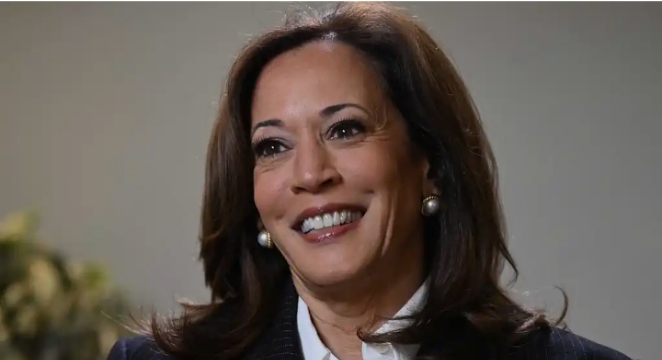
She described her political path as rooted deeply in personal conviction, noting that service-oriented commitments have consistently shaped her decisions, professional priorities and capacity to endure intense national scrutiny.
Throughout the interview, Harris argued her message still resonates widely, insisting critics underestimate Americans seeking stability, fairness and leadership capable of confronting democratic threats emerging across multiple political fronts today.
She dismissed unfavorable polling as unreliable noise, noting her entire political trajectory required ignoring external predictions and focusing instead on building resilience, credibility and trust with diverse communities.
According to Harris, early polling disadvantages never prevented her earlier victories, reinforcing her belief that public momentum often shifts dramatically once voters reengage actively during election cycles.
The former vice president argued political interpretation of polls often masks deeper national sentiments, particularly when economic pressures, personal freedoms and democratic stability influence voter priorities significantly more than statistical projections.
She revisited previous warnings about Donald Trump, insisting the behavior she cautioned against in 2024 has since intensified, validating her initial concerns and strengthening her determination to speak openly.
Harris accused Trump of embracing authoritarian tendencies, framing his conduct as dangerous for democratic institutions, civic freedoms and the broader separation of powers essential for stable constitutional governance.
She cited the suspension of comedian Jimmy Kimmel as an alarming example, emphasizing how political pressure influenced media decisions and raised concerns about free expression in a polarized environment.
According to Harris, the regulatory threat against ABC demonstrated Trump’s intolerance toward satire and criticism, suggesting such reactions reveal vulnerabilities incompatible with democratic expectations or presidential temperament.
She described Trump as possessing dangerously “thin skin,” arguing this personal sensitivity has escalated into policies shaped not by national interest but retaliatory impulses directed toward perceived adversaries.
Harris maintained such actions represent broader threats to accountability, arguing attempts to silence critics weaken essential democratic safeguards protecting American institutions from concentrated political power.
The interview also included criticism of corporate leaders, whom Harris accused of capitulating to Trump’s demands to protect financial interests, mergers or investigations tied closely to political influence.
She argued such behavior erodes institutional integrity, reinforcing a dangerous dynamic where proximity to presidential authority becomes more valuable than adherence to democratic principles or ethical obligations.
A White House spokesperson responded sharply, dismissing Harris’s statements and asserting her electoral defeat demonstrated clear voter rejection rather than evidence supporting her warnings or ongoing political relevance.
The spokesperson accused her of promoting “absurd lies,” framing her comments as attempts to rewrite the past rather than accept responsibility for a campaign that failed to convince voters.
Harris is currently touring internationally to promote her book 107 Days, a reflection on the rapid campaign launched after President Biden withdrew following intense speculation about cognitive decline.
She argued the unusually short campaign period limited her ability to shape national conversations, build necessary infrastructure and counter opposing narratives that formed before her candidacy matured.
Harris suggested these unprecedented circumstances overshadowed her strengths, though she acknowledged persistent questions involving communication, relatability and effectiveness addressing working-class concerns in crucial battleground states.
Analysts continue to argue her alignment with Biden’s foreign policy, especially his unrestrained support for Israel’s Gaza operations, contributed significantly to disillusionment among progressive, student and minority voters.
A UN commission later described Israel’s actions in Gaza as “genocidal,” a finding that intensified criticism of Biden’s position and damaged Democratic credibility among previously supportive communities.
Harris has struggled to distance herself fully from those decisions, though she has increasingly emphasized humanitarian responsibilities and long-term diplomatic considerations while avoiding direct criticism of Biden’s stance.
Her BBC interview subtly attempted to reposition her voice within global political discussions, suggesting she seeks renewed authority rather than remaining tethered to previous administration policies.
Observers note her reemergence reflects deliberate timing, coinciding with Democratic uncertainty and early positioning among potential contenders seeking visibility ahead of the 2028 campaign landscape.
Her book tour functions simultaneously as a reintroduction strategy, allowing her to rebuild grassroots enthusiasm, connect with international audiences and refine her message in a less hostile environment.
Political strategists believe her experience, national profile and resilience make her a viable contender, provided she successfully addresses past vulnerabilities and modernizes her communication style.
Her renewed confidence suggests she views the political environment as unstable but potentially favorable, especially if voters return to prioritizing democratic preservation and institutional stability.
Critics argue Harris faces steep challenges, insisting she must offer clearer policy direction, stronger engagement with working-class voters and more authentic dialogue addressing concerns that emerged previously.
Supporters counter that Harris embodies a generational transition capable of blending experience with renewed energy, positioning her as a candidate prepared to confront shifting global and domestic realities.
Her declaration that she is “not done” reignited debate across political circles, prompting speculation regarding how soon she may formalize intentions or signal stronger campaign infrastructure development.
While Harris claimed she has not reached a final decision, her tone suggested purposeful preparation, indicating she understands timing, perception and momentum remain essential to political viability.
Strategists note announcing prematurely risks public fatigue, yet waiting too long could limit her ability to mobilize supporters, donors and allies before the field expands significantly.
Her interview indicated a campaign built around service, institutional defense and democratic resilience, themes she believes remain central to national conversations during an increasingly uncertain period.
Harris’s reintroduction onto the global stage signals determination to restore influence, strengthen public perception and reassert her standing as a serious figure in future American politics.
For now, her comments that Kamala Harris says she may run for president again have reshaped early discourse, generating renewed attention and speculation across Democratic and Republican circles.
Analysts expect further appearances, speeches and targeted messaging as she tests public reactions, evaluates strategic alliances and refines her narrative to align with evolving national priorities.
Though her future announcement remains uncertain, her interview marked a decisive moment signaling potential re-entry into high-level political competition while reaffirming her commitment to ongoing public service.
Harris’s presence on the international stage reinforces the impression that she remains a consequential political actor whose voice continues shaping debates surrounding democratic values, justice and national direction.
Observers acknowledge her path remains challenging, yet her persistence and renewed visibility underscore a strategic recalibration likely influencing early dynamics within the emerging 2028 presidential landscape.
Political evaluations will continue evolving, but Harris’s assertive declaration has ensured her relevance endures, positioning her as a figure capable of reshaping discourse as campaigns gradually intensify.

Her message reflects preparedness for complex political terrain, defining a narrative centered on experience, resilience and determination to contest a political environment she believes demands renewed leadership.
Regardless of her final decision, the interview reestablished her influence and demonstrated she remains a central figure within discussions about America’s democratic trajectory and future national leadership.
About The Author


