

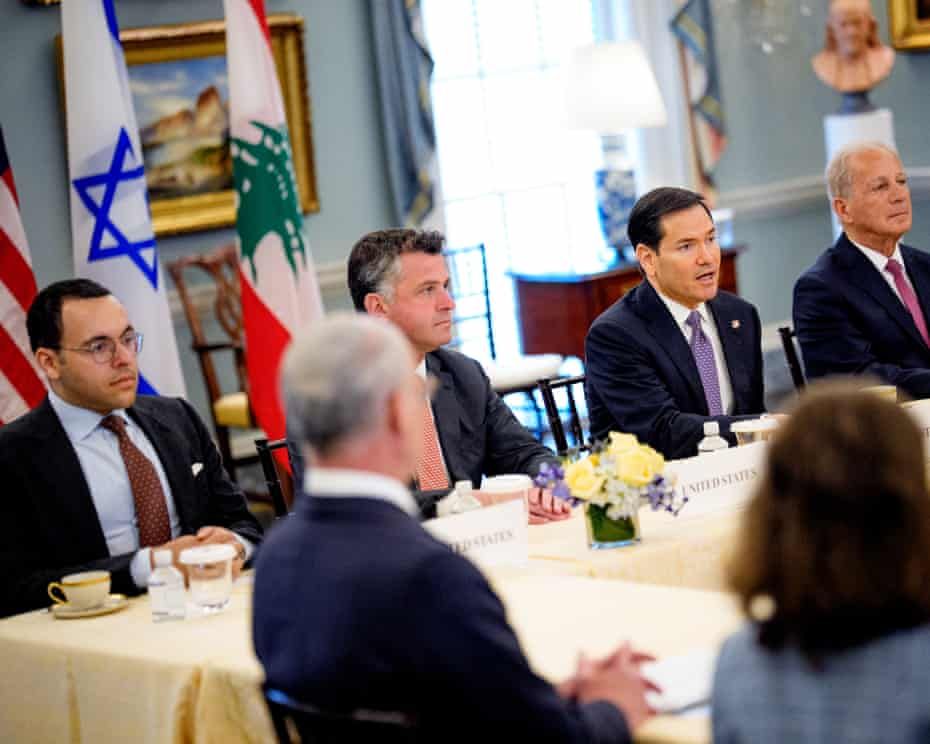
The future of US-Iran peace talks now hangs in a precarious and dangerous balance, as escalating geopolitical tensions and economic uncertainty push the world closer to a critical turning point. What was once cautious diplomacy has now become a race against time, with global stability increasingly at risk.
A wave of urgency has emerged after Donald Trump indicated that negotiations could resume “within the next two days,” suggesting that a narrow window still exists to prevent further escalation. His remarks come at a moment when mistrust is deep, military posturing is intensifying, and the consequences of failure could ripple far beyond the Middle East.
Behind the fragile optimism lies a harsher reality: previous negotiations collapsed without agreement, exposing deep divisions over nuclear restrictions, sanctions, and long-term security guarantees. Now, with pressure mounting on all sides, the opportunity for resolution is rapidly shrinking.
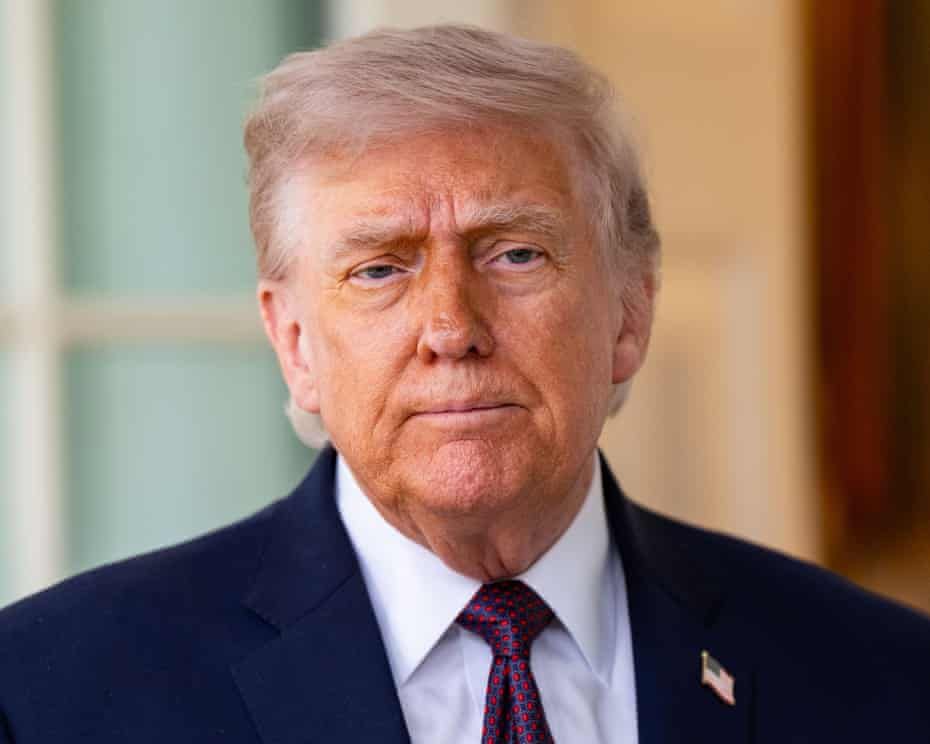
Trump Signals Urgent Push for Breakthrough
The latest developments in Trump Iran negotiations reflect both urgency and uncertainty, as diplomatic channels remain active but fragile.
“You should stay there… because something could be happening over the next two days,” Trump said, highlighting the possibility of a rapid diplomatic shift.
He also praised Pakistan’s role in facilitating discussions, pointing to its growing influence as a regional mediator in a conflict with global implications. However, despite this momentum, significant gaps remain between the negotiating positions of both sides.
Iran Nuclear Dispute Remains the Core Barrier
Deep Divide Over Nuclear Limits and Sovereignty
At the center of the crisis is the entrenched Iran nuclear dispute, which continues to block meaningful progress in the US-Iran peace talks.
The United States is demanding strict and prolonged limitations on uranium enrichment, while Iran insists on maintaining its nuclear capabilities as a matter of national sovereignty. This fundamental disagreement remains unresolved and highly sensitive.
An Iranian official captured the hardened stance clearly:
“Iran did not surrender at the battlefield, neither will it surrender behind the table.”
This reflects the deep mistrust that continues to define the negotiations and explains why previous rounds of talks ended without a breakthrough.
Strait of Hormuz Crisis Intensifies Global Pressure
Energy Security Under Threat
The Strait of Hormuz crisis has become one of the most dangerous pressure points in the entire conflict, with direct implications for global oil prices and energy security.
As one of the world’s most vital shipping routes, any disruption has immediate global consequences. Recent volatility in oil markets reflects just how sensitive the situation has become, with prices reacting sharply to both escalation fears and diplomatic signals.
Military posturing and countermeasures have further increased the risk of miscalculation, raising fears that even a minor incident could trigger wider instability.
Global Stakes Extend Beyond the Conflict
The implications of the US-Iran peace talks now extend far beyond bilateral relations, affecting global markets, regional alliances, and economic stability.
Regional actors are increasingly drawn into diplomatic efforts, reflecting concerns that the crisis could destabilize the broader Middle East. At the same time, global investors are reacting cautiously, with uncertainty affecting trade flows and financial confidence.
A less visible but equally important impact is humanitarian. Continued instability risks worsening living conditions, economic hardship, and displacement across vulnerable regions.
A Narrow and Closing Window for Peace
Despite rising tensions, a narrow diplomatic window still exists.
Efforts are reportedly underway to restart negotiations before critical deadlines expire, with mediators pushing both sides toward compromise. However, the timeline is extremely limited, and the risks of failure are growing by the hour.
The outcome of US-Iran peace talks in the coming days may determine whether the world moves toward de-escalation—or enters a deeper phase of instability.
Read also: Hormuz blockade crisis: Oil shock, global war fears rise as Lavrov visit China
The world now stands at a decisive moment. A breakthrough could ease tensions, stabilize markets, and restore fragile diplomatic progress. But failure could deepen uncertainty and push the crisis into far more dangerous territory.
All eyes remain fixed on the next move.
About The Author

generic tadalafil nz
generic tadalafil nz
viagra turkey price
viagra turkey price
is levitra dangerous
is levitra dangerous
sildenafil tablet moa
sildenafil tablet moa
boehringer ingelheim zantac
boehringer ingelheim zantac
avanafil or vardenafil
avanafil or vardenafil
metformin vs orlistat
metformin vs orlistat
topiramate 50 mg
topiramate 50 mg
viagra pill bottle
viagra pill bottle
proscar 5 mg fiyat
proscar 5 mg fiyat
cialis pill shape
cialis pill shape
how long can you take toradol
how long can you take toradol
ivermectin demodex long‑term results
ivermectin demodex long‑term results
ED drug safe purchase
ED drug safe purchase
vardenafil cardiac event contraindications
vardenafil cardiac event contraindications
factors affecting onset
factors affecting onset
vardenafil safety notes
vardenafil safety notes
bronchitis symptom list
bronchitis symptom list
pneumonia clinical context
pneumonia clinical context
Variability Learning Center
Variability Learning Center
SildenafilCentral.com medication resource
SildenafilCentral.com medication resource
this comprehensive guide
this comprehensive guide
tadalafil brands from India
tadalafil brands from India
the full clindamycin guide
the full clindamycin guide