A US congressional delegation visiting Europe has cautioned that inflammatory rhetoric over Greenland risks straining long-standing relationships between Washington and Copenhagen, raising alarms among NATO partners.
The delegation emphasized that Greenland’s future decisions must be made jointly by Denmark and the territory itself, warning that external pressure could undermine decades of cooperative diplomacy.
Greenland, an autonomous region of Denmark, holds strategic importance in the Arctic due to its location, mineral wealth, and role in transatlantic defense systems.
Officials in Denmark have confirmed plans to strengthen military presence on the island, coordinating with NATO allies to secure Arctic security while respecting Greenlandic governance.
Senator Chris Coons, speaking during the delegation’s visit, stressed that actions causing Danes to question US reliability would damage both NATO alliance cohesion and global trust in US commitments.
“There is almost no better ally to the United States than Denmark,” Coons noted, underscoring how the US congressional delegation views cooperative Denmark-US relations as essential for broader transatlantic stability.
The delegation met with Danish officials and Greenlandic representatives to discuss Arctic security, emphasizing that Greenland autonomy must remain central to any discussions about military and economic projects.
European leaders have joined the chorus, reminding Washington that Greenland is not for sale, and that respecting Denmark’s sovereignty is critical to preserving NATO alliance unity.
Denmark’s foreign ministry reiterated that all Greenland-related discussions must include Greenlandic authorities directly, highlighting a desire to balance security cooperation with respect for local governance.
Greenlandic officials expressed cautious optimism about the congressional delegation’s visit, while emphasizing that they will continue to assert their voice in matters affecting the island’s strategic and economic future.
The Arctic region has become a global hotspot due to melting ice, new shipping lanes, and resource potential, prompting the delegation to underline the importance of collaborative rather than coercive approaches.
US military presence on Greenland has historically focused on early-warning radar systems and missile defense, which Danish authorities say demonstrates that existing cooperation is already robust and effective.

Senator Coons warned that neglecting to respect Denmark-US relations risks creating unnecessary friction that could extend beyond the Arctic, affecting wider transatlantic security policies.
The congressional delegation’s visit also included briefings on Greenland’s natural resources, infrastructure, and community priorities, reinforcing the message that local autonomy must guide future engagement.
Danish Prime Minister’s office praised the delegation for highlighting the importance of diplomacy and warned against rhetoric that could compromise NATO alliance cohesion in the Arctic region.
Greenlanders themselves are divided over foreign engagement, balancing economic development opportunities against concerns that external actors may threaten local governance and long-term autonomy.
Many Greenlandic leaders insist that investment and security partnerships should empower local institutions rather than impose decisions from abroad, reflecting a growing emphasis on self-determination.
The US congressional delegation stressed that respecting Greenland autonomy strengthens Denmark-US relations and reinforces trust, which is critical for coordinated NATO responses to emerging Arctic challenges.
In addition to military concerns, the delegation discussed climate and infrastructure projects, emphasizing that sustainable development in Greenland aligns with both US strategic interests and local priorities.
Observers note that the visit represents a delicate diplomatic balancing act, seeking to reassure Denmark and Greenland while signaling US continued commitment to the Arctic region.
Some analysts suggest that congressional engagement, as opposed to unilateral executive statements, helps prevent misunderstandings and fosters collaborative solutions to emerging Arctic security threats.
Greenland’s geopolitical significance has grown with climate change, as new sea routes and resource access increase its importance to the United States, Denmark, and NATO allies alike.
The congressional delegation concluded meetings reiterating that mutual respect and adherence to existing agreements are vital to maintaining Denmark-US relations and sustaining Arctic security.
Officials stressed that undermining trust with Denmark over Greenland could encourage rival powers to exploit gaps in cooperation, potentially destabilizing broader NATO alliance coordination.
“This visit by the US congressional delegation demonstrates that diplomacy, not threats, should guide engagement in the Arctic,” one senior NATO official commented, praising the approach as constructive.
Greenlandic leaders welcomed the delegation’s acknowledgment of local authority, signaling hope for continued partnership that balances security, economic development, and community empowerment.
Denmark remains committed to NATO alliance obligations while ensuring that Greenland autonomy is preserved, reflecting the dual priorities of alliance cohesion and respect for local governance.
The Arctic’s strategic importance continues to rise, making it imperative that US congressional delegation messages are carefully coordinated with Danish and Greenlandic authorities to avoid miscommunication.
The delegation also highlighted the need for transparent communication and inclusion of Greenlandic representatives in all relevant policy decisions, reinforcing principles of partnership and trust.
Senator Coons emphasized that Denmark-US relations provide a model for global partnerships, showing how collaborative frameworks can maintain security while respecting sovereignty and local governance structures.
Greenlandic authorities expressed appreciation for the delegation’s visit, noting that it reassures the public that their autonomy and interests are central to any future strategic initiatives.
Observers conclude that US congressional delegation engagement represents a critical step in mitigating tensions caused by past rhetoric, preserving long-term transatlantic cooperation in the Arctic.
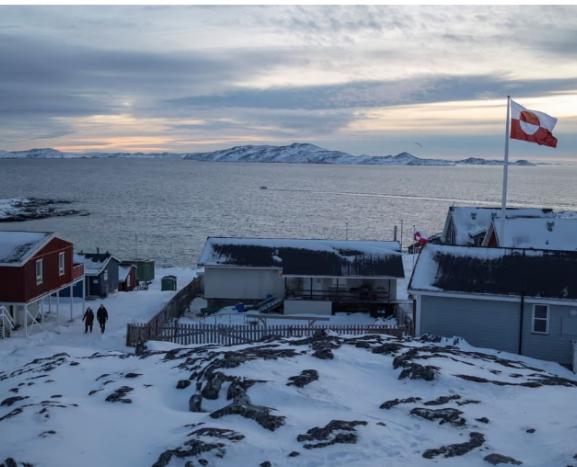
The delegation’s message was clear: sustainable Arctic security and Denmark-US relations require diplomacy, respect for Greenland autonomy, and continued NATO alliance cohesion to navigate emerging geopolitical challenges.
As global powers increasingly focus on the Arctic, US congressional delegation involvement underscores the importance of measured engagement, signaling Washington’s commitment to collaboration rather than coercion.
By centering Greenlandic voices in strategic discussions, the delegation reinforced that long-term stability depends on balancing US security objectives with respect for local governance and Denmark-US relations.
About The Author