UK water crisis – The South East of England has once again been plunged into a water crisis, with more than 30,000 homes in Kent and East Sussex left without water this week.
The latest outage, caused by repeated infrastructure failures, has reignited public anger over the state of the UK’s water system and raised questions about accountability and regulation.
Residents reported not being able to wash, flush toilets, or access basic water supplies for days, exposing the fragility of a system many assumed was dependable.
Tunbridge Wells resident David Ayre described the situation as “disgusting,” explaining how his household had to contend with overflowing toilets and raw sewage for two days.
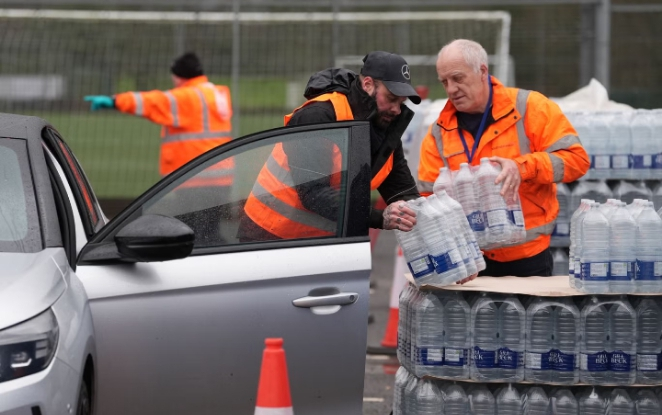
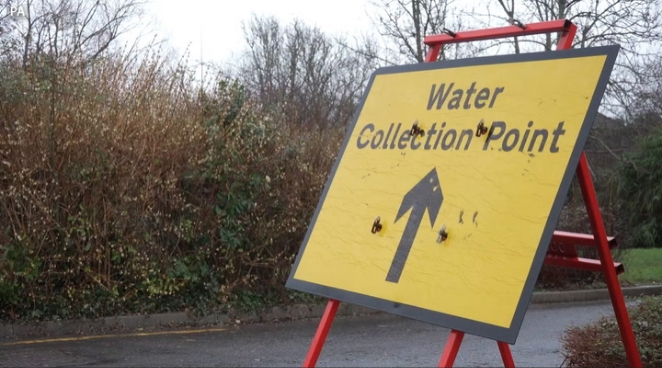
Similar scenes have emerged across affected towns, with many queuing for bottled water at local distribution points set up by emergency services and community volunteers.
For locals, the outages have become a serious disruption to daily life, affecting everything from school attendance to basic hygiene.
South East Water, the company responsible for the outages, is facing intense scrutiny. The failures follow a previous disruption in November and December, when around 24,000 homes lost access to water.
Tunbridge Wells MP Mike Martin criticized the company’s management, saying that private equity ownership has left it underfunded and burdened with debt, undermining its ability to maintain and repair infrastructure.
Martin argued that South East Water “has lost all credibility” after repeated service breakdowns, highlighting the financial and social costs of unreliable water provision.
The South East is not alone in experiencing water failures. Southern Water, a neighbouring supplier, has also endured significant crises, including a prolonged outage in Hastings during the 2025 Christmas period.
The company has a history of service interruptions, environmental lapses, and serious pollution incidents. In recent years, Southern Water was responsible for a catastrophic spill of plastic bio-beads used in water treatment, which have washed up along the South Coast, raising both environmental and public health concerns.
The company has repeatedly failed to monitor and prevent sewage overflows, leaving rivers and coastal waters contaminated.
Local residents have voiced their frustration with water companies’ long-term neglect of infrastructure. Labour MP Helena Dollimore stated that Hastings, Rye, and surrounding villages have experienced recurring water failures, flooding, and pollution.
According to Dollimore, funds intended for maintenance and pipe repairs were diverted to shareholder dividends and executive bonuses for decades, leaving communities exposed to preventable crises.
The public anger is compounded by a sharp rise in serious sewage spills across the UK, which increased by 60% in 2025.
Thames Water alone accounted for 33 of 75 severe incidents recorded by the Environment Agency in 2024, demonstrating the systemic nature of the problem.
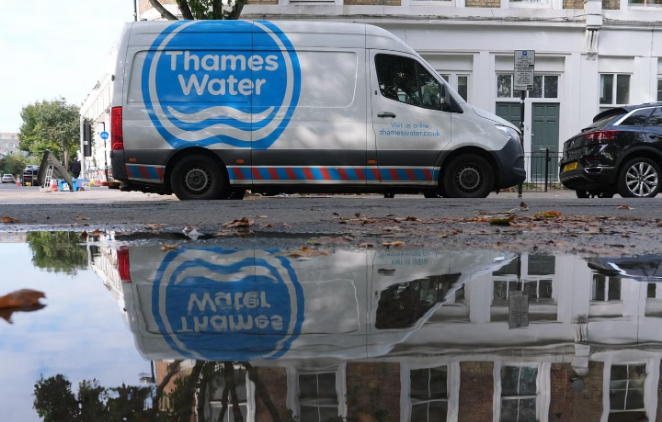
Financial pressures have also exacerbated the crisis. Thames Water, struggling under enormous debts and failing infrastructure, has received permission from regulator Ofwat to raise bills by 35% over the next five years.
This decision has been widely condemned, particularly given that the company has paid £10 billion to shareholders since privatisation in 1989.
Southern Water has also pursued significant bill increases, with average customer bills set to rise by 53% over the next five years and an additional 3% approved by regulators.
Critics argue that such hikes serve shareholders while leaving residents to bear the brunt of failing infrastructure.
Calls for reform have intensified in response to these failures. Campaign groups like Surfers Against Sewage have demanded that the government implement bold legislation to end sewage pollution and improve the resilience of water systems.
Giles Bristow, the organisation’s chief executive, stressed that piecemeal measures are insufficient, warning that “any plan is doomed to fail if it props up a broken system that puts profit before people and the environment.” Public debate continues over whether nationalisation would provide a solution.
Supporters argue that a public benefit model could reinvest profits into water infrastructure and protect consumers, while opponents cite the enormous cost and disruption such a shift would entail.
MPs have also scrutinised water company executives. South East Water’s chief executive, David Hinton, is under pressure to resign following the recent outages and delays in responding publicly.
Citizens and officials alike have criticized him for failing to appear for more than 20 days after the December 2025 outage, with calls for accountability growing louder.
Similar public ire has been directed at Southern Water’s CEO Lawrence Gosden, who recently required bodyguards following an incident where activists attempted a citizen’s arrest in response to environmental and service failures.
Regulators are now taking action. Ofwat has launched an investigation into South East Water to determine whether the company met its obligations for customer service and service standards.
The investigation follows widespread concern over repeated failures to deliver essential water services. An Ofwat spokesperson emphasised that the regulator works closely with water companies to ensure compliance and to protect both customers and the environment.
In 2025 alone, Ofwat resolved six wastewater investigations, securing over £250 million in fines and redress.
Government officials have outlined plans for long-term reforms through an upcoming Water White Paper. Defra has highlighted the need to prioritise infrastructure investment, improve system resilience, and address environmental impacts.
While nationalisation has been dismissed as too costly, officials stress that systemic reform and regulatory oversight are critical to preventing further crises.
The White Paper is expected to detail measures aimed at cleaning up UK waterways, cutting pollution, and enhancing the efficiency and reliability of water delivery across the country.
For residents, however, reform cannot come soon enough. The repeated outages and ongoing pollution incidents have disrupted lives, harmed businesses, and put vulnerable populations at risk.
Children have missed weeks of schooling, parents have incurred unexpected childcare costs, and the elderly have been left without access to basic necessities.
Local MPs argue that only a complete overhaul of the industry, with clear public benefit objectives, can prevent future crises and ensure reliable water access.
The UK water crisis underscores the consequences of decades of underinvestment, mismanagement, and prioritisation of profits over people. The recurring failures of South East Water, Southern Water, and Thames Water reflect structural weaknesses within a privatised system that struggles to meet modern demands.
Public pressure, regulatory scrutiny, and legislative reform are converging at a pivotal moment, with communities across the South East hoping that decisive action will finally provide safe, reliable, and environmentally responsible water services.
As the country waits for reforms, households continue to cope with uncertainty, highlighting the urgent need for change. Experts argue that without systemic reform, infrastructure investment, and stronger regulatory enforcement, crises like these will remain an inevitable feature of life in the UK.
The challenges facing the water sector illustrate broader lessons about public utilities: that long-term neglect, profit extraction, and weak oversight can have tangible and severe consequences for everyday life.
The road ahead will require cooperation between government, regulators, water companies, and local communities.
Effective solutions will involve not only technological upgrades and better maintenance but also accountability measures and potentially new models of ownership that prioritise public benefit.
The South East’s recent water outages serve as a stark reminder of what can happen when foundational public services are allowed to deteriorate—and of the urgent responsibility to restore them for current and future generations.
About The Author