Ukraine agrees multi-tiered ceasefire enforcement plan, establishing a staged response to any Russian violations of a future ceasefire agreement.
The plan, approved by President Volodymyr Zelensky, includes diplomatic warnings, Ukrainian military retaliation, and, if necessary, coordinated intervention by Western allies and the US.
According to officials cited by the Financial Times, any breach of a ceasefire could prompt a response within 24 hours, escalating if hostilities continue. This marks a significant step in Ukraine’s strategy to deter future attacks and protect civilians while coordinating closely with its international partners.
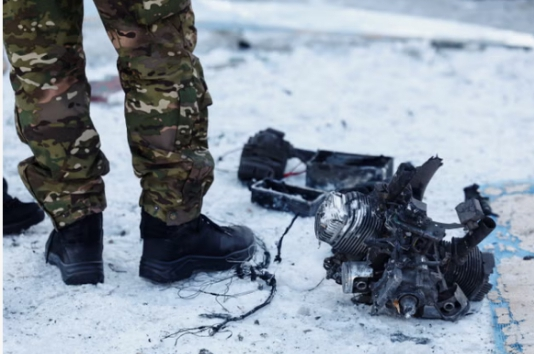
The plan comes amid renewed Russian aggression. From Monday into Tuesday, Russian forces launched one of the largest air assaults of the year, firing 71 missiles and deploying 450 drones. Kyiv, Ukraine’s capital, along with Kharkiv and other major cities, were targeted.
The strikes caused widespread damage to apartment buildings, kindergartens, and commercial structures, while knocking out energy infrastructure and leaving thousands of residents without heating during sub-zero temperatures.
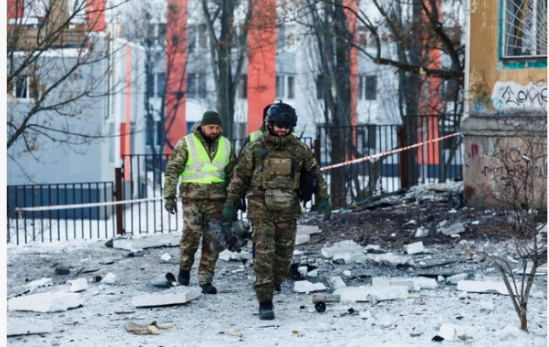
Emergency services reported fires in multiple districts of Kyiv, with early visuals showing apartment blocks ablaze. Mayor Vitali Klitschko confirmed that four people were injured in the attacks.
The strikes also targeted DTEK thermal power plants, significantly damaging their equipment. DTEK noted that this was the ninth major strike on its thermal facilities since October 2025.
Since the beginning of Russia’s full-scale invasion in February 2022, DTEK’s thermal power plants have been attacked more than 220 times, resulting in 59 injuries and four deaths among plant operators.
These attacks left the Darnytskyi and Dniprovskyi districts of Kyiv largely without heating, underscoring the human cost of continued Russian aggression.
The Ukrainian Air Force reported that of the missiles and drones fired, 38 missiles and 412 drones were intercepted. Among the munitions were 32 Iskander-M and S-300 ballistic missiles, 28 Kh-101 and Iskander-K cruise missiles, seven Kh-22 and Kh-32 cruise missiles, and four Zirkon and Oniks missiles. The scale and variety of the attack highlight the continued threat posed to Ukrainian cities, infrastructure, and civilians even as diplomatic talks progress.
Ukrainian Foreign Minister Andrii Sybiha condemned the strikes, noting that Russia deliberately timed the attacks for freezing temperatures to maximize disruption to Ukraine’s energy systems.
He criticized the Russian leadership for disregarding diplomatic efforts, including those scheduled in Abu Dhabi this week, describing the attacks as “terror against ordinary people in the harshest winter.”
President Donald Trump has expressed optimism about the resumption of peace talks in Abu Dhabi, stating that his negotiating team may have “good news” regarding Ukraine and Russia.
Trump linked his latest trade deal with India to efforts to reduce Russia’s oil exports, asserting that the agreement could help “end the war” in Ukraine.
Under the deal, India agreed to lower tariffs on American goods to zero while purchasing $500 billion worth of US products, reducing its reliance on discounted Russian crude.
The renewed Russian air campaign highlights the ongoing risks to civilians. In Kyiv alone, more than 1,170 apartment buildings were left without heating. Several educational institutions, including kindergartens, were damaged, and regional authorities confirmed additional injuries in Kharkiv.
These developments underscore the need for a robust response, which Ukraine’s multi-tiered ceasefire enforcement plan seeks to provide.
The enforcement plan sets out a phased approach to any ceasefire violation. Initially, a diplomatic warning would be issued, followed by military action by Ukrainian forces if the infraction persists.
Should hostilities continue, intervention from the Coalition of the Willing — which includes European Union members, the United Kingdom, Norway, Iceland, and Turkey — would take place. Finally, coordinated US military engagement would be triggered if the attack escalates, ensuring a rapid and united response from Ukraine’s international partners.
The approval of the Ukraine agrees multi-tiered ceasefire enforcement plan also carries strategic implications for upcoming negotiations. Analysts suggest that a clear escalation framework may strengthen Kyiv’s position in peace talks by signaling to Moscow that violations will not go unchallenged.
Read also: Tehran signals diplomatic opening as Iran US nuclear negotiations intensify
The staged approach is intended to protect civilians, deter further aggression, and provide Western allies with a structured role in enforcing a ceasefire.
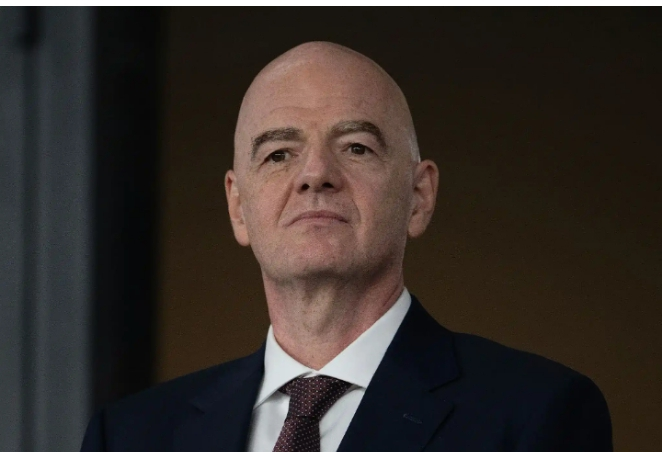
Amid the conflict, Fifa President Gianni Infantino called for Russia’s ban from international football to be lifted, arguing that the suspension “has achieved nothing” and that allowing Russian youth to participate in international matches would maintain ties.
Ukraine’s Sports Minister Matvii Bidnyi strongly rejected the comments, describing them as “irresponsible” and “infantile” in light of the human cost of the war, particularly the impact on children.
Preparations for the Abu Dhabi peace talks continue, with delegations from Kyiv, Moscow, and Washington expected to meet to discuss ceasefire enforcement, security guarantees, and the framework outlined in Ukraine agrees multi-tiered ceasefire enforcement plan.
The talks aim to reconcile diplomatic efforts with the realities of ongoing attacks, testing whether structured enforcement measures can prevent further escalation.
Even after a limited ceasefire requested by Trump, Russia resumed its attacks, demonstrating the fragility of diplomatic agreements. The Ukraine agrees multi-tiered ceasefire enforcement plan provides a structured path to respond to violations, combining diplomacy, Ukrainian military action, coalition involvement, and potential US military coordination.
By implementing this plan, Ukraine seeks to protect civilians, uphold territorial integrity, and send a clear message to Moscow that ceasefire violations will be met with decisive consequences.
The multi-tiered approach reflects the evolving nature of the conflict, where military readiness, international coordination, and diplomatic negotiations must operate simultaneously.
Ukraine agrees multi-tiered ceasefire enforcement plan represents a significant development in Kyiv’s strategy, signaling both resilience and a willingness to collaborate with Western allies in the face of continued Russian aggression.
As the conflict continues and peace talks resume, the effectiveness of this plan will be closely watched by governments, analysts, and citizens around the world.
About The Author