

UK–Iran maritime tensions escalate after another vessel was struck by an unknown projectile in the Persian Gulf overnight, heightening fears over maritime safety.
The UK–Iran maritime tensions incident occurred east of Ras Laffan, where authorities confirmed all crew members were safe despite the alarming strike.
The UK Maritime Trade Operations received the report at approximately 01:30 GMT and immediately began monitoring developments closely.
Earlier, another vessel was hit near Khawr Fakkan in the Gulf of Oman, with the impact triggering a fire onboard.
These incidents reinforce a growing UK–Iran maritime tensions pattern across vital shipping lanes linking global oil and gas markets.
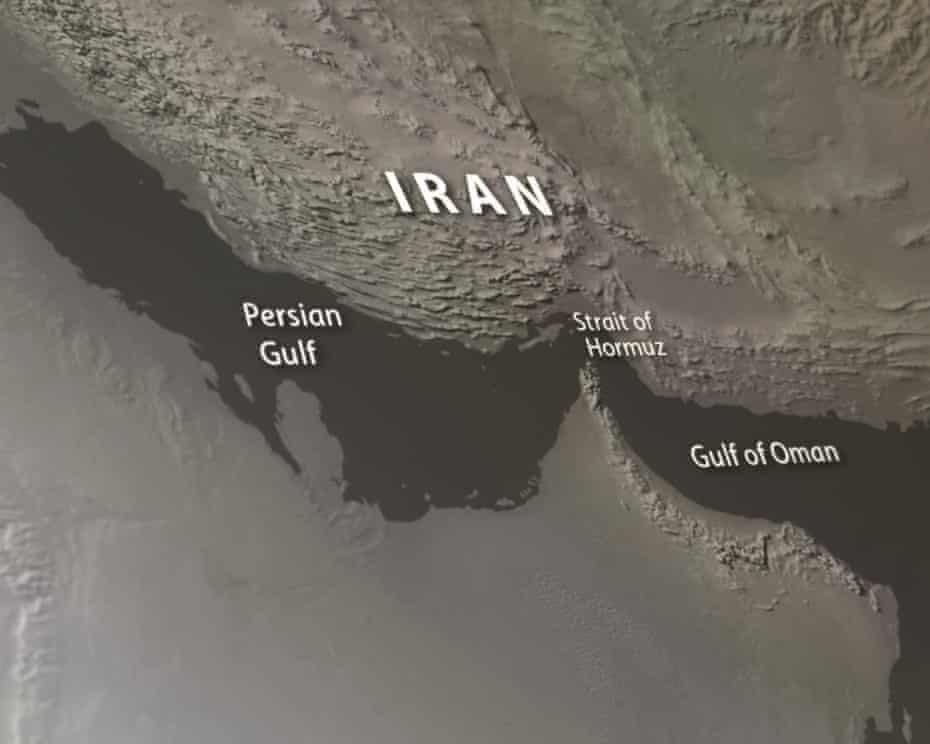
The Strait of Hormuz remains a focal point, handling a large share of the world’s daily energy shipments.
Security experts warn that UK–Iran maritime tensions could disrupt confidence among commercial shipping operators navigating the region.
The latest strikes follow heightened hostilities involving Iran, raising concerns over broader regional escalation risks.
Iran has been linked to attacks targeting energy infrastructure in Qatar, including facilities near Ras Laffan.
Officials confirmed that fires at the gas hub have been contained, but concerns persist over infrastructure vulnerability.
The Ras Laffan complex is among the largest liquefied natural gas export hubs globally, making it strategically significant.
Analysts caution that prolonged UK–Iran maritime tensions could trigger supply shocks affecting international energy markets.
Shipping firms are increasingly issuing warnings as operational risks grow across the Persian Gulf and nearby waters.
Insurance premiums for vessels transiting these routes are rising amid uncertainty linked to repeated strike incidents.
Experts suggest the use of unidentified projectiles reflects evolving maritime warfare tactics in the region.
The lack of confirmed attribution complicates diplomatic engagement and increases speculation around responsible actors.
Despite the escalating UK–Iran maritime tensions, no casualties have been reported in the recent vessel strikes.
Authorities continue to urge heightened vigilance for ships passing through affected maritime corridors.
Naval forces operating in the region are expanding surveillance to safeguard commercial and energy transport routes.
The pattern of incidents suggests a coordinated attempt to test maritime defenses and response capabilities in strategic waters.
Observers note that UK–Iran maritime tensions have historically influenced global oil price volatility and trade stability.
Any disruption in the Strait of Hormuz could have immediate consequences for economies dependent on energy imports.
Countries reliant on Gulf exports are closely monitoring developments as uncertainty continues to build.
Maritime security agencies are coordinating efforts to track and assess potential threats to vessels in real time.
There is growing concern that miscalculation or escalation could draw additional international actors into the conflict.
Regional alliances and defense commitments may be tested if attacks on shipping continue to increase.
Energy analysts highlight that even minor disruptions can have outsized impacts on global supply chains.
The persistence of UK–Iran maritime tensions underscores the fragile balance of security in critical waterways.
Shipping operators are adjusting routes and protocols to mitigate exposure to potential strike zones.
Some vessels may consider alternative paths, though options remain limited due to geographic constraints.
The economic implications of rerouting shipments could further increase costs for global consumers.
Industry leaders are calling for coordinated international action to ensure maritime safety and stability.
The ongoing situation reflects broader geopolitical tensions shaping security dynamics in the Middle East.
Diplomatic channels remain active, but progress appears uncertain amid continued incidents at sea.
Military presence in the region may increase as nations seek to protect strategic interests.
The possibility of escalation beyond maritime incidents cannot be ruled out by security experts.
Despite risks, trade continues to flow, highlighting the resilience of global shipping networks.
However, sustained UK–Iran maritime tensions could eventually strain even the most robust logistics systems.
Authorities emphasize that maintaining open and secure sea lanes is essential for global economic stability.
Efforts to de-escalate tensions are ongoing but face challenges due to competing strategic priorities.
Read also: US judge orders VOA reopening, declares shutdown illegal
The international community continues to watch closely as developments unfold in these critical waters.
Do you think UK–Iran maritime tensions will escalate into a wider conflict, or can diplomacy still secure safe global shipping routes?