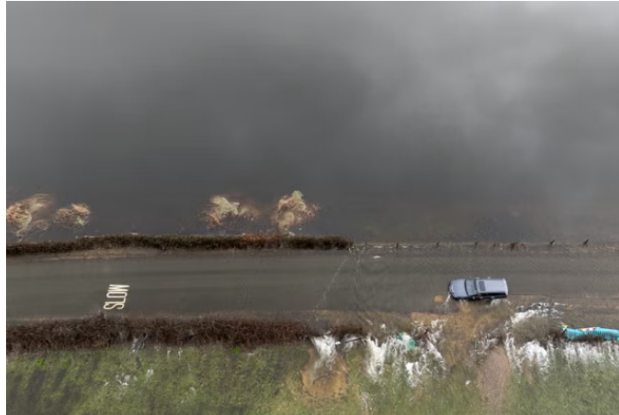
The UK is facing rising flood risks as more than 80 official flood warnings have been issued across the country. Persistent heavy rainfall continues to affect southern and south-western England, as well as parts of the Midlands, prompting authorities to warn residents of potential flooding.
Emergency services are urging communities to remain vigilant and take necessary precautions as river levels continue to rise.
The Environment Agency has confirmed 91 flood warnings, signaling immediate risk in areas already affected by recent heavy rain. These warnings are concentrated across southern and south-western England, along with the East and West Midlands.
In addition, 261 flood alerts, which indicate that flooding is possible, are in place throughout England. In Wales, Natural Resources Wales has issued 11 flood alerts for areas likely to experience overflowing rivers and surface water accumulation.
Local authorities have issued specific warnings in regions where rivers are reaching critical levels. Warwickshire Fire and Rescue Service noted that “Due to heavy prolonged rainfall today the local levels at River Dene have risen to a state where flooding is imminent.”
Similar warnings have been issued in parts of Hampshire, Dorset, Devon, Cornwall, and other affected areas, emphasizing the importance of residents staying alert and avoiding travel through flood-prone zones.
Meteorologists from the Met Office reported that south-west England and South Wales have experienced rainfall every day this year. This has led to January recording rainfall levels roughly 50% higher than the long-term average, creating saturated ground and increasing the likelihood of flooding.
In these areas, rivers and low-lying communities are under close observation, as the combination of saturated soil and ongoing rain elevates risks significantly.
Forecasters predict that wet weather will continue over the coming days.
Blustery showers are expected along southern coastlines in the south-west, while South Wales will see heavy rainfall. Although Sunday may bring a brief respite with some sunshine and lighter showers, wet and windy conditions are expected to return from the west at the start of next week.
Met Office meteorologist Alex Deakin explained that “Friday’s been a very soggy day across a good chunk of the country, cold wind continuing to feed in the cloud and the moisture across north-east England and eastern Scotland.”
The current flood warnings follow the impact of Storm Chandra, which struck earlier this year and caused record-breaking rainfall in multiple regions. On 26 January, Katesbridge in County Down recorded 100.8mm of rain in a single day, surpassing the previous site record of 38.2mm set in 2005.
Other locations, including Dunkeswell Aerodrome in Devon, Hurn in Dorset, Cardinham in Cornwall, and Plymouth Mountbatten in Devon, all exceeded their previous daily rainfall records. Storm Chandra highlighted how consecutive extreme weather events can strain both local infrastructure and emergency response systems.
Emergency services across England and Wales remain on high alert, prepared to respond to evacuations, property protection, and water rescues. Authorities emphasize the importance of following official advice and avoiding flooded areas, as even shallow floodwaters can be dangerous and rise rapidly without warning.
Residents are being encouraged to monitor river levels, keep valuables on higher ground, and remain informed through official channels.
Urban areas, where drainage systems can quickly become overwhelmed, are particularly at risk from surface water flooding. Roads, underpasses, and public transport routes may be affected, causing disruption for both drivers and pedestrians.
Councils in flood-prone areas are advising residents to take precautions, including moving essential items to higher ground and preparing for potential temporary evacuations.
In Wales, officials from Natural Resources Wales have noted that while only 11 flood alerts are currently in place, the number may increase if rainfall continues.
Saturated ground conditions make rivers more prone to overflowing, and communities are being warned to remain alert as water levels change. The combination of heavy rain and previously saturated soil means that both river and surface water flooding are serious risks.
Experts note that the frequency of extreme rainfall events in the UK has increased, with consecutive wet periods becoming more common. Persistent rainfall, like that seen in south-west England and South Wales, puts added pressure on infrastructure and emergency services.
Roads, bridges, and drainage systems are particularly vulnerable during prolonged wet spells, highlighting the importance of preparedness for both urban and rural communities.
Residents are strongly encouraged to sign up for official flood alerts through government and local council websites. The Environment Agency and Met Office provide real-time updates, enabling individuals to take action before flooding occurs.
Essential steps include avoiding travel in flood-prone areas, moving important items to higher ground, preparing emergency kits with food and water, and following instructions from local authorities.
Looking ahead, forecasters warn that heavy rain and elevated flood risks may persist for the coming weeks. The south-west of England and parts of Wales are expected to experience further wet spells, requiring continued vigilance from both authorities and residents.
The combination of already saturated ground, rising rivers, and ongoing rainfall underscores the need for community preparedness and proactive safety measures.
Flood warnings and alerts play a crucial role in protecting both people and property. They allow emergency services to deploy resources efficiently, manage responses, and reduce overall risk to public safety.
The current situation emphasizes the increasing challenges posed by extreme weather in the UK and the importance of remaining informed and prepared.

By staying alert to flood warnings, monitoring official updates, and taking preventive actions, residents can mitigate the impact of heavy rainfall. With ongoing storms and continued rainfall predicted, preparedness remains the most effective tool to reduce harm and ensure safety during periods of extreme weather.
About The Author