Nigeria’s healthcare sector could face another disruption as doctors at one of the country’s most prominent teaching hospitals warn of an impending industrial action over prolonged electricity challenges that have continued to affect hospital operations.
Medical personnel say the power crisis has severely disrupted clinical services, training programmes and essential healthcare delivery at the institution, raising concerns about patient safety and the sustainability of medical services.
Health workers threaten indefinite strike over prolonged power crisis at UCH
The warning that health workers threaten indefinite strike over prolonged power crisis at UCH comes as resident doctors at University College Hospital intensify pressure on authorities to urgently resolve the electricity crisis that has lingered for several months.
The doctors, operating under the umbrella of the Association of Resident Doctors (ARD) at the hospital, said they have issued a 21-day ultimatum beginning March 7, 2026, demanding the restoration of stable electricity supply to both clinical units and residential quarters.
According to the doctors, failure to address the issue within the stipulated period could force them to embark on an indefinite strike, a move that could further strain Nigeria’s already fragile healthcare system.
Speaking on the development, the president of ARD at UCH, Uthman Adedeji, explained that the doctors had earlier organised a five-day warning strike in an effort to draw attention to the worsening situation.
He said the strike took place from Monday to Friday the previous week, after which doctors resumed duties in hopes that management and relevant authorities would initiate urgent dialogue.
However, Adedeji noted that the conditions remained unchanged after the doctors returned to work, leaving them frustrated over the lack of progress.
According to him, the situation is deeply concerning for a hospital widely regarded as one of Nigeria’s leading teaching institutions.
He stressed that the ongoing electricity challenges have pushed the hospital to operate under conditions that are far below acceptable healthcare standards.
Medical professionals say the power shortage is already affecting patient care, diagnostic procedures and the training of young doctors undergoing residency programmes.
“A teaching hospital in 2026 should not be battling basic utilities such as electricity,” Adedeji said while explaining the position of the doctors.
He added that the association’s demands are not centred on personal benefits but rather on ensuring proper healthcare delivery and maintaining adequate training conditions for medical professionals.
The electricity crisis at UCH dates back to October 2024 when the Ibadan Electricity Distribution Company disconnected the hospital from the national grid over an outstanding electricity debt estimated at about N495 million.
Since then, the institution has struggled to maintain stable electricity supply, relying largely on alternative power sources that medical staff say are insufficient to sustain a large tertiary healthcare facility.
Hospital workers disclosed that between November 2024 and February 2025, the facility experienced an extended blackout lasting approximately 102 days, a development that severely disrupted medical services.
Healthcare workers say the consequences of the power crisis have been profound, affecting critical hospital departments such as laboratories, operating theatres and intensive care units.
In many cases, medical equipment that requires constant electricity has become difficult to operate, forcing healthcare workers to improvise in order to continue providing care to patients.
Beyond patient treatment, resident doctors say the crisis is also affecting their professional training.
Teaching hospitals play a central role in developing Nigeria’s future healthcare workforce, and the lack of reliable electricity could undermine clinical learning opportunities.
The looming strike threat has also drawn attention from other healthcare workers within the hospital.
The public relations officer of the Nigerian Union of Allied Health Workers (NAUPHW) at UCH, Daniel Adejobi, confirmed that the electricity dispute remains unresolved.
According to him, no significant breakthrough has been reached between stakeholders regarding the restoration of stable electricity supply.
The situation has raised concerns among health sector stakeholders who fear that a prolonged strike could further worsen access to healthcare services in the region.
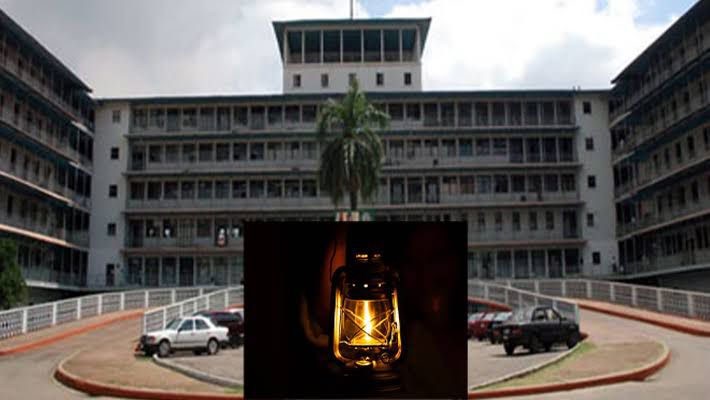
UCH serves thousands of patients from across southwestern Nigeria and other parts of the country, making it a critical referral centre for specialised medical treatment.
Healthcare experts say disruptions at such a facility could have far-reaching implications for public health.
Nigeria’s healthcare system has faced recurring labour disputes in recent years, with doctors and other health professionals frequently raising concerns about infrastructure deficiencies, funding gaps and poor working conditions.
Analysts say the current crisis highlights the broader infrastructure challenges affecting many public hospitals across the country.
Energy supply has become a particularly pressing issue for hospitals that rely on uninterrupted electricity to power life-saving equipment and maintain sterile environments for surgeries and other procedures.
Without stable power, experts warn that the quality of healthcare services can decline significantly.
As the 21-day ultimatum continues to run, stakeholders in the health sector are urging relevant authorities to intervene quickly to prevent another disruption in medical services.
Observers say resolving the electricity crisis at UCH could help restore confidence among healthcare workers and ensure that patients continue to receive uninterrupted treatment.
For now, the warning that health workers threaten indefinite strike over prolonged power crisis at UCH serves as a reminder of the infrastructure gaps still affecting Nigeria’s healthcare system.
Whether the crisis is resolved before the ultimatum expires may determine if the hospital can avoid another major industrial action in the coming weeks.
About The Author