

The United Arab Emirates UAE denies Iran strike claims, strongly rejecting reports that it had targeted an Iranian desalination facility over recent regional tensions.
A senior UAE official told newsmen that Abu Dhabi is “struggling to understand Israeli conduct and the nature of briefings coming out of Jerusalem,” calling the reports “inappropriate” and misleading.
The UAE emphasized that it acts independently and does not target civilian infrastructure, only military threats, underscoring that its actions are strictly defensive.
Earlier reports had suggested that the UAE carried out retaliatory strikes inside Iran in response to missile and drone attacks on Gulf nations.
The Emirati official insisted these claims were false and criticized the Israeli reports for spreading rumors that could escalate tensions unnecessarily.
The UAE reaffirmed its commitment to Gulf security and regional stability, highlighting the importance of accurate information in preventing misunderstandings that could spark wider conflict.
Abu Dhabi’s Foreign Ministry released a statement asserting that the Gulf state is “acting in self-defense against brutal and unjustified Iranian aggression.”
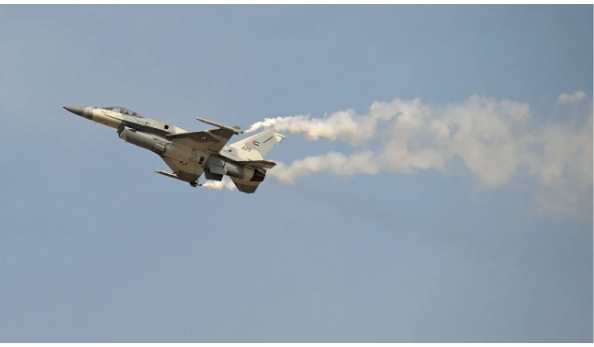
The ministry stressed that the UAE does not seek conflict or escalation but will take all necessary measures to protect its sovereignty, national security, and territorial integrity.
Ali Al Nuaimi, Chairman of the UAE’s National Defense Committee, noted that “the Iranian people are the real victims of their regime, and we care about their well-being,” distinguishing between the civilian population and the government’s aggressive actions.
The alleged UAE strike coincided with a period of heightened tensions in the Gulf. Iranian drone and missile attacks recently targeted infrastructure in several Gulf countries, including Saudi Arabia, Kuwait, Bahrain, and the UAE.
A particularly deadly incident in Kuwait resulted in the deaths of two firefighters, prompting local authorities to reaffirm their commitment to protecting civilians while responding to Iranian threats.
Tehran subsequently issued an apology for its attacks on US bases in the region, an attempt to ease diplomatic tensions.
Last week, the UAE experienced a fire in the Fujairah oil zone caused by intercepted Iranian drones.
While no casualties were reported, the incident highlighted the vulnerability of critical Gulf infrastructure and the ongoing risk of escalation from Iranian strikes.
In response, reports indicated that the UAE was considering freezing billions of dollars in Iranian assets, a move aimed at limiting Tehran’s economic leverage without engaging in direct military retaliation.
The IDF has also denied involvement in any strikes attributed to the UAE, reinforcing Abu Dhabi’s statements that Gulf nations are acting independently to maintain Gulf security.
Analysts suggest that the dissemination of false or misleading reports can exacerbate tensions and undermine efforts to contain conflicts in the region. The UAE’s response reflects a careful approach to balancing defensive readiness with diplomatic restraint.
Experts note that the UAE’s stance emphasizes the principle of proportionality in military responses. By denying involvement in civilian-target strikes, Abu Dhabi seeks to maintain credibility on the international stage while signaling that its defensive posture is measured and focused on deterrence.
The UAE’s communications also highlight the separation between civilian populations and government actions, a key element in minimizing regional animosity and protecting international relationships.
Reports earlier this week had claimed that Qatar carried out strikes inside Iran, following Iranian attacks on US bases and Gulf infrastructure.
The UAE denial, combined with its reaffirmation of defensive policies, indicates a broader regional effort among Gulf states to respond collectively to threats while avoiding misattributed military action.
Officials continue to stress that all measures taken are in response to direct threats and are not intended to escalate conflict with Iran.
In addition to diplomatic and defensive measures, the UAE has increased monitoring of critical infrastructure and enhanced coordination with neighboring Gulf nations.
These efforts include joint security exercises, improved early-warning systems for incoming threats, and contingency planning for potential missile or drone attacks.
By taking these steps, Abu Dhabi aims to reinforce regional resilience and maintain Gulf security without engaging in unnecessary offensive operations.
The UAE’s firm denial of involvement in the alleged strike on the Iranian desalination facility serves as a clear signal to both domestic and international audiences that it operates independently and responsibly.
Officials have repeatedly emphasized that while the UAE reserves the right to defend its territory, it seeks to avoid civilian casualties and regional escalation. The distinction between Iran’s government and its people, highlighted by Al Nuaimi, remains central to Abu Dhabi’s diplomatic messaging and strategic posture.
The ongoing tensions in the Gulf illustrate the complex interplay of regional security, misinformation, and international diplomacy. The UAE’s statements serve both as a rebuttal to misleading reports and as a reaffirmation of its measured approach in the face of Iranian aggression.
Analysts caution that misattributed strikes or rumors could easily trigger retaliatory actions, underlining the importance of accurate reporting and restraint in public statements.
With the UAE, Saudi Arabia, Kuwait, and Bahrain all experiencing threats from Iranian missiles and drones, regional coordination remains critical. Abu Dhabi’s denial of the Iran strike and emphasis on defensive measures is part of a broader effort to preserve stability, protect civilian populations, and ensure that Gulf security is not compromised by false narratives.
The UAE continues to monitor developments closely, coordinating with regional partners and international allies. Its communications stress transparency and responsibility, aiming to prevent escalation while safeguarding national interests.
Read also: Starmer speaks to Trump after US criticises UK stance on Iran strikes
By clearly stating that it did not target the Iranian desalination facility, the UAE reinforces its position as a sovereign actor that prioritizes measured responses and the protection of civilians in a highly volatile regional environment.
About The Author


